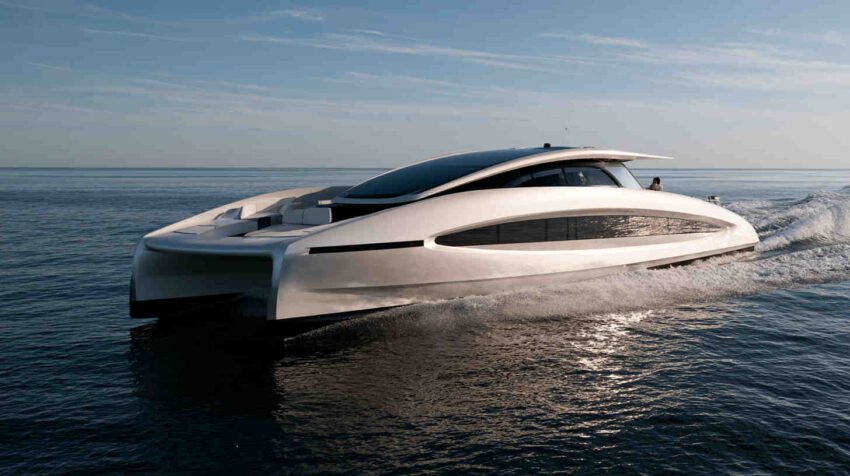
The boating world is changing fast, and one of the biggest shifts happening right now is the rise of electric boats. As climate concerns grow and technology improves, more boat owners, manufacturers, and marine enthusiasts are turning toward electric power as a cleaner, quieter, and more sustainable alternative to traditional gas or diesel engines. If you have ever wondered what an electric boat actually is, how it works, or why sustainability matters so much in the marine industry, this guide breaks it all down in simple terms.
What Is an Electric Boat?






An electric boat is a watercraft powered entirely or partially by electric motors instead of traditional internal combustion engines. Rather than burning gasoline or diesel fuel, these boats draw energy from rechargeable battery packs, much like an electric car does on land. The electric motor converts stored battery energy into mechanical power, which turns the propeller and moves the boat through the water.
Electric boats come in many forms, ranging from small recreational dinghies and pontoon boats to larger yachts and even commercial ferries. Some models are fully electric, relying solely on batteries, while others are hybrid electric boats that combine a traditional engine with an electric motor for added flexibility and range.
The core idea behind electric boats is simple: replace fossil fuel combustion with clean, rechargeable energy, reducing emissions, noise, and long-term operating costs.
How Do Electric Boats Work?
At the heart of every electric boat is a battery pack, an electric motor, and a control system that manages power distribution. Here is a simplified breakdown of how it all comes together:
- Battery Pack – Stores electrical energy, usually using lithium-ion cells similar to those found in electric vehicles.
- Electric Motor – Converts stored electrical energy into rotational force that spins the propeller shaft.
- Motor Controller – Regulates how much power flows from the battery to the motor, allowing smooth acceleration and speed control.
- Charging System – Batteries can be recharged through shore power, onboard generators, or in some advanced designs, solar panels mounted on the boat’s deck or canopy.
Because electric motors have far fewer moving parts than combustion engines, electric boats tend to run more efficiently, require less maintenance, and produce a smooth, whisper-quiet ride on the water.
Why Sustainability Matters in Boating

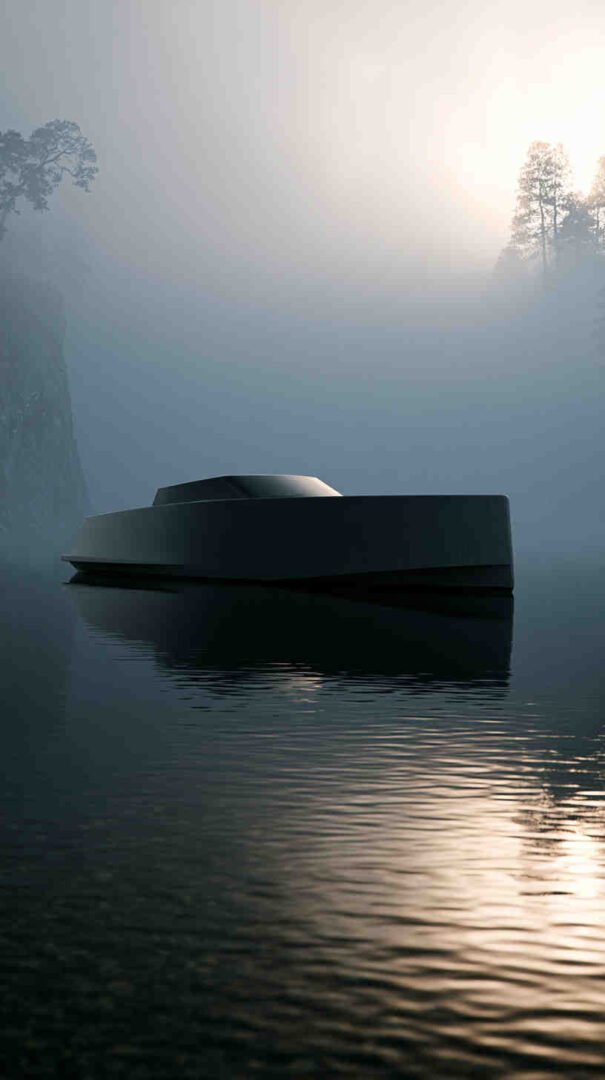



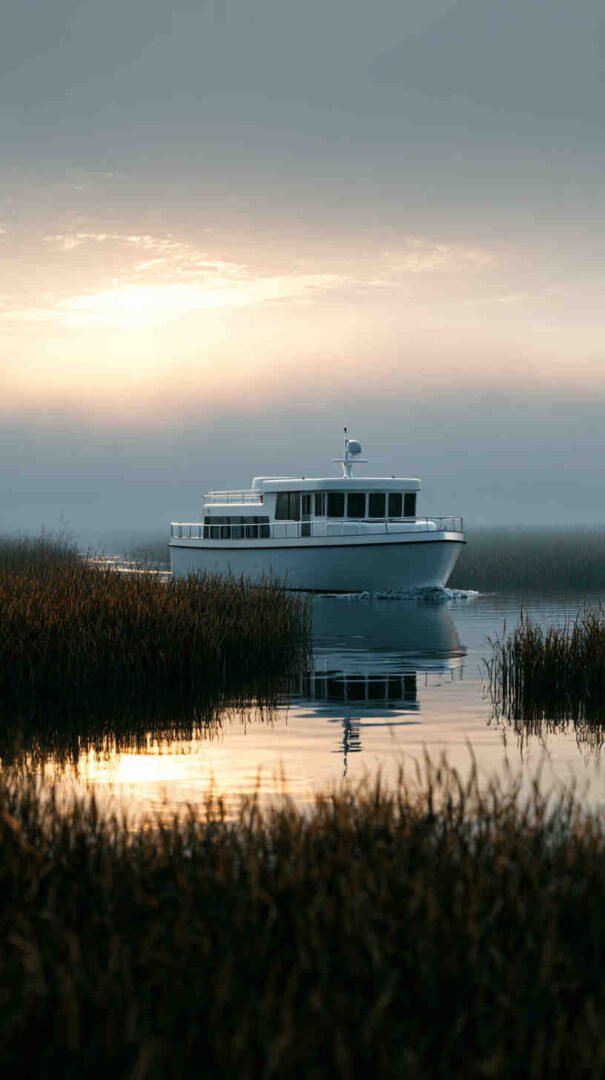
Traditional gas and diesel-powered boats are a significant source of water and air pollution. Fuel spills, oil leaks, and exhaust emissions can harm marine ecosystems, contaminate waterways, and contribute to climate change. Boating also tends to concentrate pollution in sensitive areas like lakes, rivers, and coastlines, where wildlife is especially vulnerable to contamination.
Switching to sustainable electric boats addresses several of these problems directly:
- Zero direct emissions while operating on the water
- No fuel spills or oil leaks, since there is no combustion engine
- Reduced noise pollution, which benefits both wildlife and swimmers
- Lower long-term environmental footprint, especially when charged using renewable energy sources like solar or wind power
As more marinas and charging infrastructure adopt renewable energy, the environmental case for electric boating becomes even stronger.
Key Benefits of Electric Boats
1. Environmental Impact






The most obvious benefit of electric boats is their reduced environmental footprint. Without a combustion engine, there is no tailpipe exhaust, no fuel odor, and no risk of oil contaminating the water. For anyone who cares about protecting lakes, rivers, and oceans, this is a major selling point.
2. Lower Operating Costs
Electricity is generally cheaper than gasoline or diesel fuel, and electric motors require significantly less maintenance since they lack many of the components found in combustion engines, such as spark plugs, fuel filters, and oil systems. Over time, this can lead to meaningful savings for boat owners.
3. Quiet, Smooth Rides
One of the most noticeable differences with electric boats is how quiet they are. Without the roar of a gas engine, passengers can enjoy natural sounds like water, wind, and wildlife. This makes electric boats especially popular for peaceful lake cruising, wildlife watching, and relaxed family outings.
4. Instant Torque and Responsive Handling
Electric motors deliver power instantly, without the need to rev up like a traditional engine. This results in smoother acceleration and often more responsive handling, particularly at low speeds, which is useful for maneuvering in marinas or tight waterways.
5. Reduced Vibration
Because electric motors have fewer moving parts, they produce less vibration than combustion engines. This contributes to a more comfortable ride and less wear on the boat’s structure over time.





Types of Electric Boats
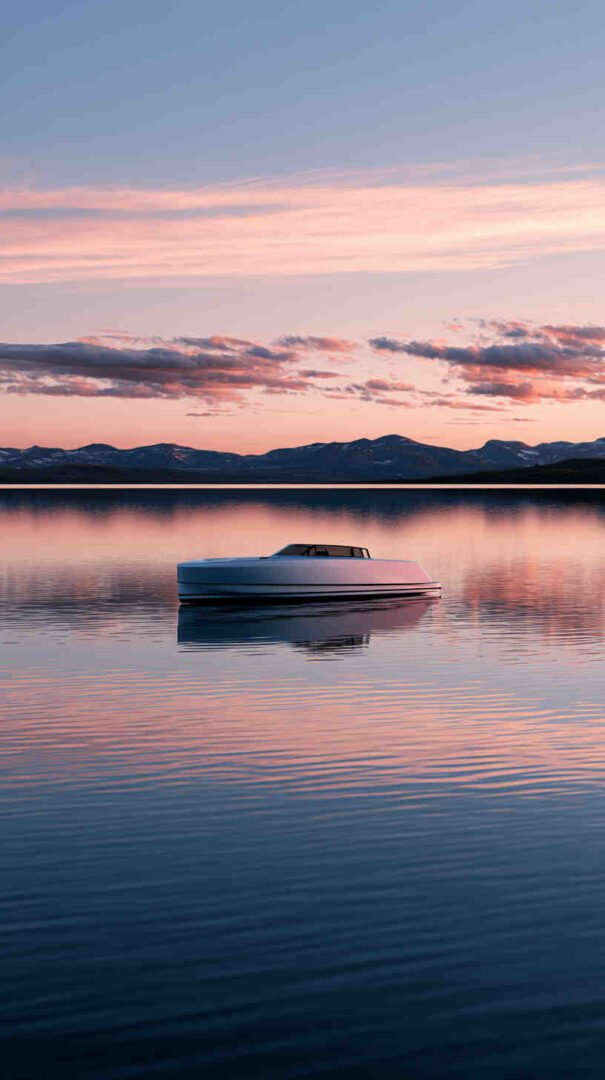
Electric boat technology has expanded rapidly, and today there is a wide range of options depending on your needs:
- Electric Pontoon Boats – Popular for leisurely cruising, fishing, and family outings on calm lakes.
- Electric Fishing Boats – Favored by anglers who appreciate the silent operation, which doesn’t scare away fish.
- Electric Yachts – Larger, luxury vessels designed for longer trips, often equipped with substantial battery banks and sometimes solar charging.
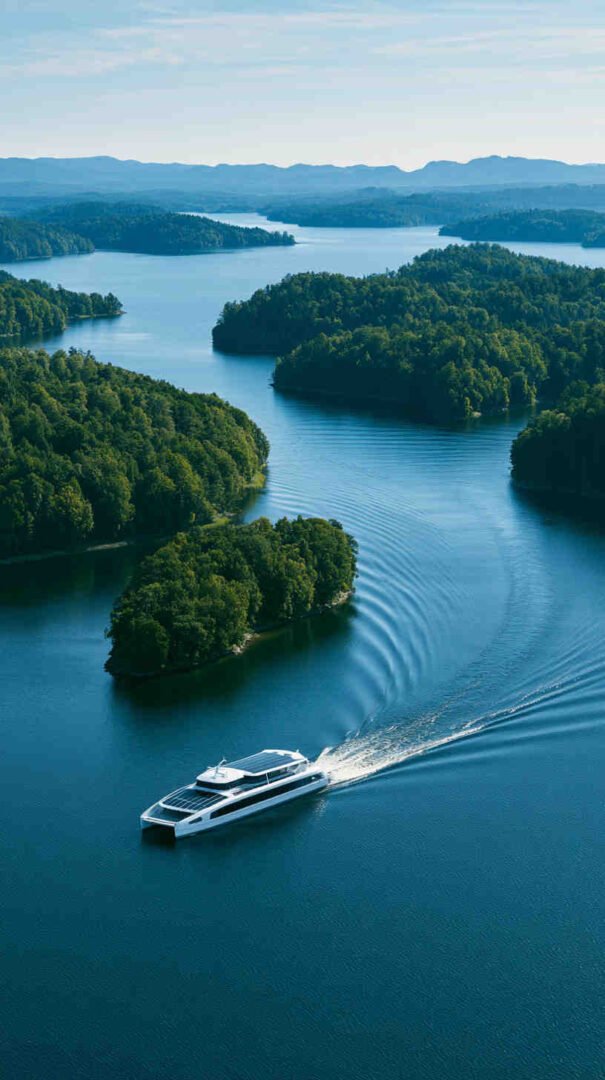
- Electric Ferries and Water Taxis – Increasingly used in cities and coastal regions as part of public transportation systems, reducing emissions in busy waterways.
- Hybrid Electric Boats – Combine a traditional engine with an electric motor, offering extended range while still allowing for silent, zero-emission operation when needed.
Each type serves a different purpose, but they all share the same underlying goal: reducing reliance on fossil fuels while delivering a reliable boating experience.
Challenges Facing Electric Boats
While electric boats offer many advantages, it’s worth understanding the current challenges as well:
- Limited Range – Battery capacity still limits how far electric boats can travel compared to fuel-powered vessels, although this is steadily improving as battery technology advances.
- Charging Infrastructure – Not all marinas currently offer reliable charging stations, which can make longer trips more challenging to plan.
- Upfront Cost – Electric boats and their battery systems often come with a higher initial purchase price, although long-term savings on fuel and maintenance can offset this over time.
- Charging Time – Depending on the battery size and charger type, recharging can take longer than simply refueling a gas tank.




These challenges are actively being addressed as battery technology, charging networks, and manufacturing scale continue to improve year after year.
The Future of Sustainable Electric Boating
The marine industry is investing heavily in electric propulsion technology, and the trend shows no signs of slowing down. Improvements in battery energy density are steadily extending the range of electric boats, while faster charging solutions are making it easier to recharge on the go. Solar-assisted charging is also becoming more common, allowing boats to top up their batteries directly from sunlight while docked or even while cruising.
As coastal cities and lake communities push for cleaner waterways, electric ferries and water taxis are likely to become a common sight, reducing emissions in high-traffic boating areas. For recreational boaters, the appeal of quiet, low-maintenance, environmentally friendly vessels continues to grow, especially among those who value peaceful time on the water without the noise and fumes of a traditional engine.
Final Thoughts
Sustainable electric boats represent a meaningful shift in how people experience life on the water. By replacing fossil fuel engines with clean electric power, these boats reduce pollution, lower operating costs, and offer a quieter, smoother ride for everyone on board. While challenges like range and charging infrastructure still exist, rapid advancements in battery technology are quickly closing the gap between electric and traditional boats.
Whether you’re a weekend angler, a family looking for a peaceful lake cruise, or someone simply passionate about protecting our waterways, understanding what electric boats are and how they work is the first step toward embracing a more sustainable way to enjoy the water.




Happy Boating!
Share Sustainable Electric Boat Wallpaper with your friends and leave a comment below with your thoughts.
Read Eco-Friendly Electric Boat Wallpaper until we meet in the next article.