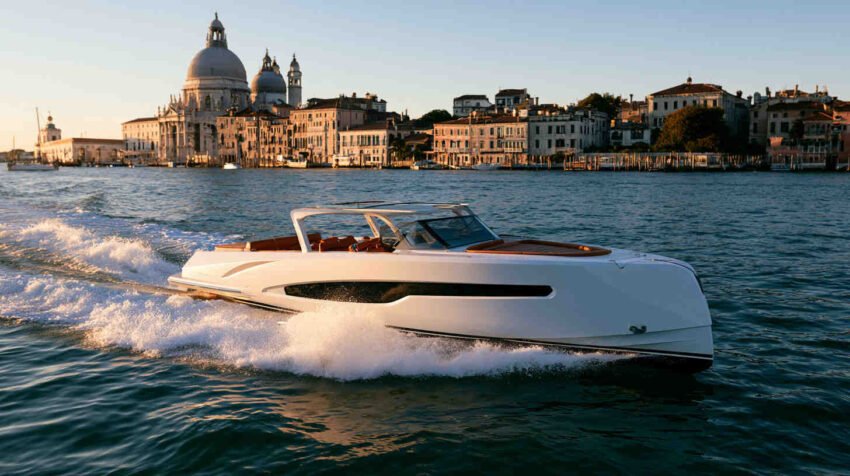
Boating has always meant freedom — open water, fresh air, and the hum of an engine carrying you toward the horizon. But that hum has traditionally come from a gasoline or diesel motor, burning fuel and leaving behind noise, fumes, and a growing environmental footprint. Today, a quieter and cleaner alternative is reshaping the way people experience the water: the electric boat.
As climate awareness grows and battery technology matures, electric boats are moving from niche curiosity to mainstream choice for recreational sailors, commuters, and even commercial operators. This guide breaks down what electric boats are, how they work, why they matter for the environment, and what the future holds for eco-friendly boating.






What Is an Electric Boat?
An electric boat is a watercraft powered entirely or partly by electricity instead of fossil fuels. Rather than relying on an internal combustion engine that burns gasoline or diesel, an electric boat uses one or more electric motors powered by rechargeable batteries. Some models are fully electric, drawing all their propulsion from stored battery power, while hybrid electric boats combine a traditional engine with an electric motor to reduce fuel consumption and emissions.
Electric boats range widely in size and purpose. There are small electric dinghies and pontoon boats designed for lakes and calm rivers, sleek electric speedboats built for performance, and even larger electric ferries and yachts designed to carry passengers across longer distances. What unites them all is the shift away from fossil fuel combustion toward cleaner, battery-driven propulsion.
How Do Electric Boats Work?
At the core of every electric boat is a battery pack, an electric motor, and a controller that manages power delivery. The battery stores energy, much like the battery in an electric car, and supplies it to the motor, which turns the propeller to move the boat through the water.
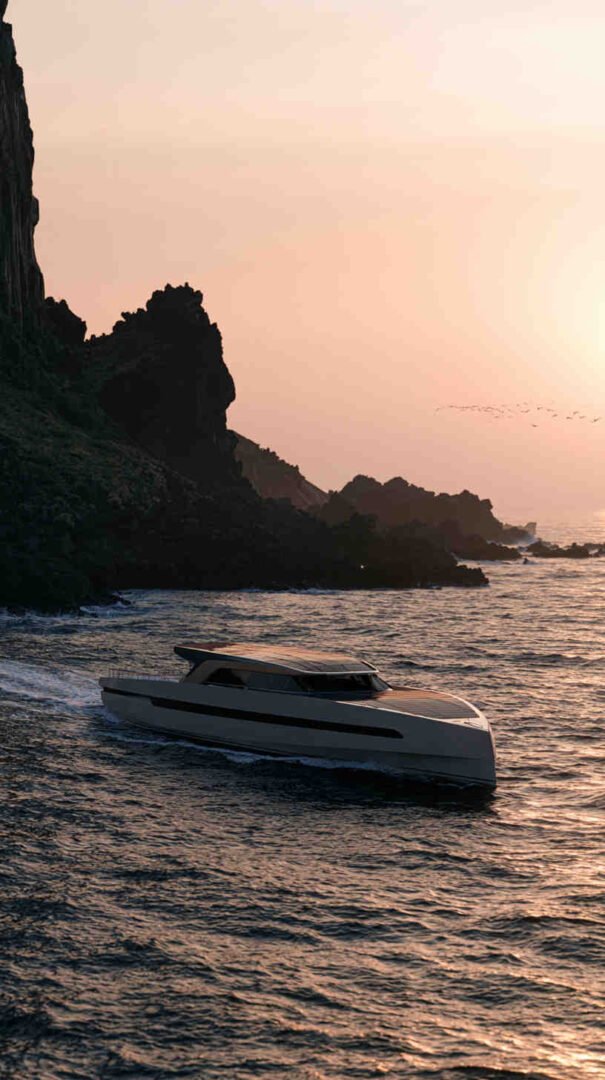
Most electric boats use lithium-ion batteries because they offer a strong balance of energy density, weight, and lifespan. When the battery runs low, it can be recharged by plugging into a shore power station, a marina charging point, or in some cases, a home electrical outlet. Some advanced electric boats even incorporate solar panels on their decks, allowing them to top up their charge directly from sunlight while docked or cruising.
Unlike a combustion engine, an electric motor delivers power almost instantly and operates with very few moving parts. This not only makes electric boats simpler to maintain but also gives them a smooth, near-silent ride that is one of their most noticeable features.


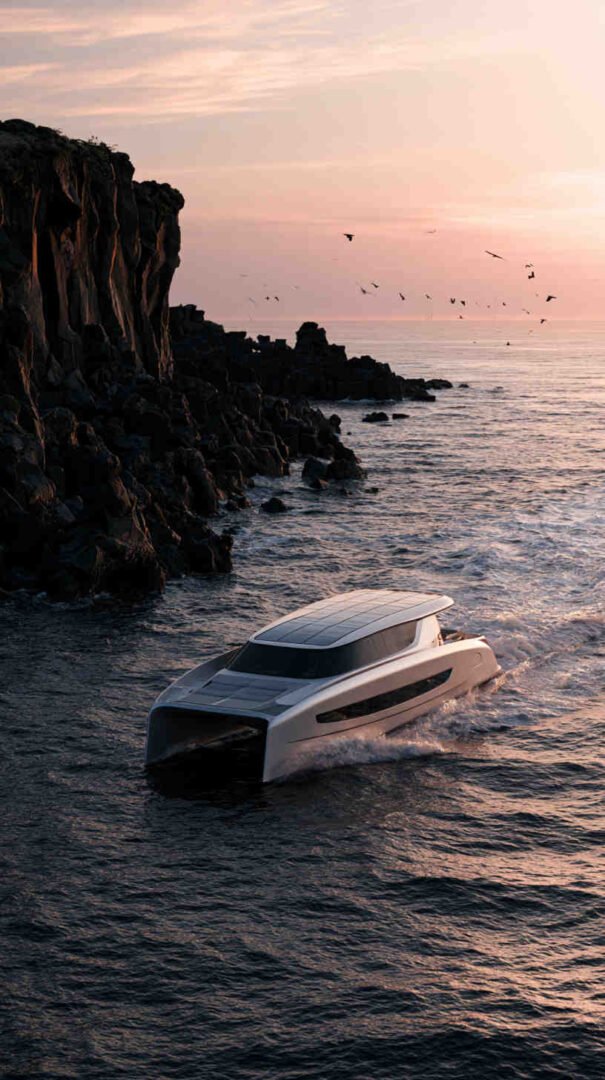
Why Eco-Friendly Electric Boats Matter
Traditional motorboats are a meaningful source of water and air pollution. Combustion engines release carbon dioxide, nitrogen oxides, and unburned hydrocarbons into the air, while fuel spills and leaking oil frequently contaminate lakes, rivers, and coastal waters. Electric boats address these problems directly, and their benefits extend well beyond emissions.
1. Zero Direct Emissions
Fully electric boats produce no tailpipe emissions while operating. There is no exhaust, no burning fuel, and no carbon dioxide released directly into the atmosphere during a trip. For lakes and marinas that already struggle with water quality, this is a significant improvement over gas-powered alternatives.
2. No Fuel or Oil Leaks
Combustion engines require oil, and boats are notorious for small fuel and oil leaks that seep into the water over time. Electric motors eliminate this risk almost entirely, protecting aquatic ecosystems, fish populations, and the plants that depend on clean water.
3. Dramatically Reduced Noise Pollution
Anyone who has spent time near a busy marina knows how loud gas engines can be. Electric boats run remarkably quietly, which reduces stress on wildlife such as nesting birds and fish that are sensitive to underwater noise, while also creating a more peaceful experience for passengers and nearby residents.
4. Lower Long-Term Operating Costs
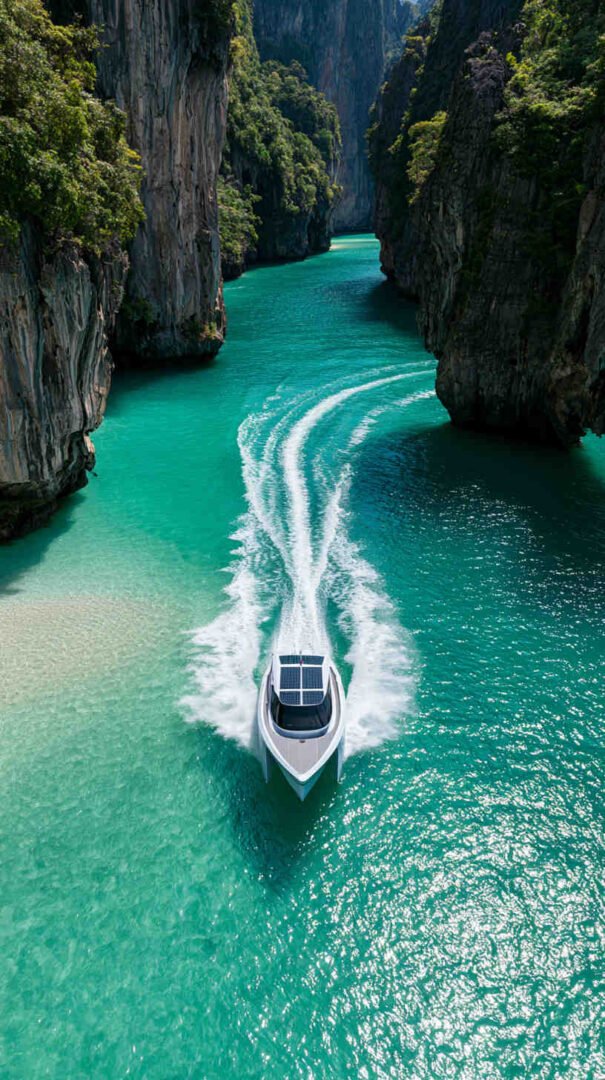
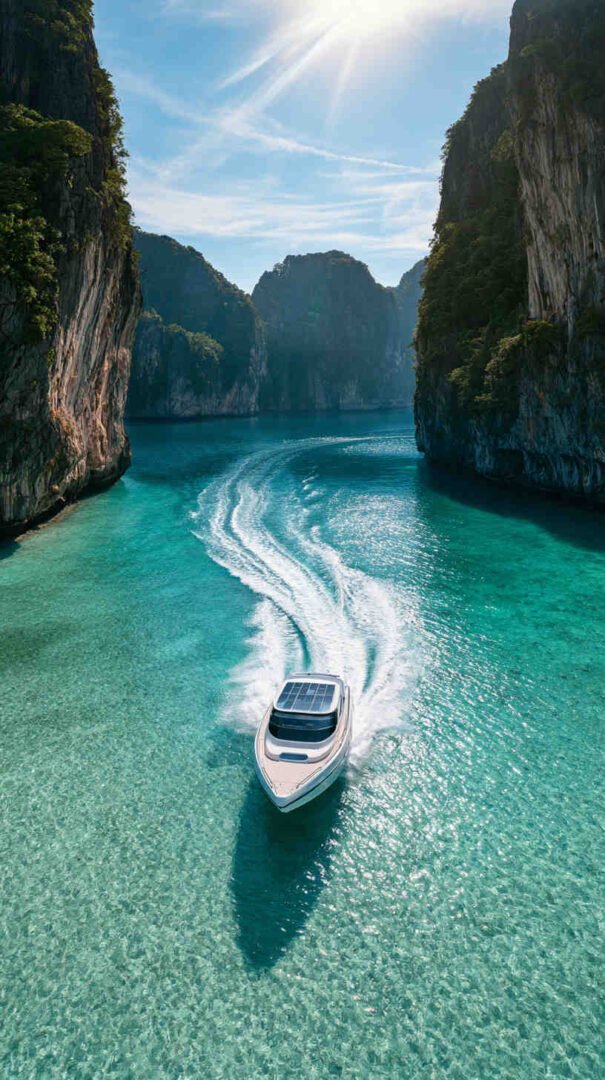




While the upfront cost of an electric boat can be higher than a comparable gas model, the savings add up over time. Electricity is generally cheaper than marine fuel, and electric motors have far fewer components that wear out, meaning lower maintenance costs and fewer trips to the repair shop.
5. Renewable Energy Compatibility
Because electric boats charge from the electrical grid, their environmental impact keeps improving as more renewable energy sources like solar and wind come online. A boat charged from a solar-powered marina can come remarkably close to a zero-emission voyage from start to finish.
Types of Electric Boats
Electric propulsion is being applied across nearly every category of watercraft:
- Electric Pontoon Boats – Popular for calm lakes, family outings, and fishing, these boats prioritize comfort and quiet cruising over speed.
- Electric Speedboats – Built for performance enthusiasts, modern electric speedboats can rival gas-powered boats in acceleration while staying whisper-quiet.
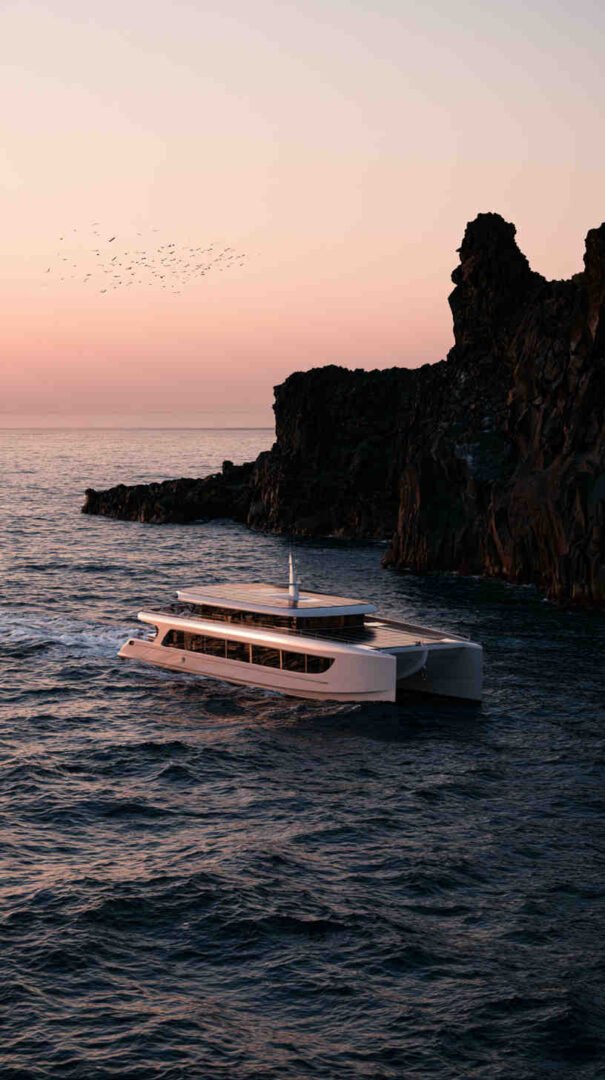
- Electric Ferries and Water Taxis – Cities with coastal or river transit systems are increasingly adopting electric ferries to cut urban emissions and reduce noise in busy waterways.
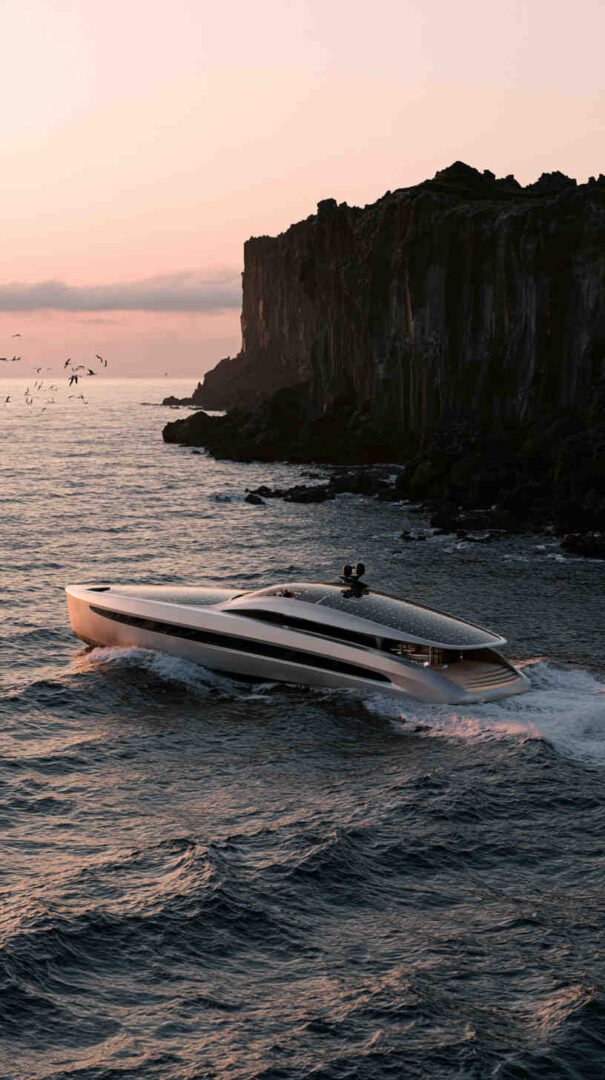
- Electric Yachts – Luxury manufacturers are now producing hybrid and fully electric yachts, combining long-range cruising with a reduced environmental footprint.
- Electric Personal Watercraft – Compact electric jet skis and small runabouts are bringing clean propulsion to recreational water sports as well.
Challenges Facing Electric Boats
Electric boats are not without their hurdles. Battery range remains the biggest limitation — most electric boats can travel shorter distances on a single charge compared to their gas-powered counterparts, though this gap is narrowing as battery technology improves. Charging infrastructure at marinas is also still developing in many regions, which can make longer trips less convenient.
Cost is another factor. The batteries required for marine propulsion are expensive, which pushes the initial purchase price of electric boats higher than comparable gasoline models. However, as production scales up and battery costs continue to fall — a trend already seen in the electric car industry — this price gap is expected to shrink significantly over the next decade.
Weight is a further consideration, since batteries are heavier than an equivalent amount of fuel, which can affect a boat’s handling and efficiency. Manufacturers are addressing this through lighter battery chemistries and smarter hull designs optimized for electric propulsion.






The Future of Eco-Friendly Boating
The trajectory for electric boats closely mirrors what has already happened in the automotive world. Ranges are increasing, charging is becoming faster and more widely available, and prices are gradually coming down as more manufacturers enter the market. Several countries with sensitive lake ecosystems have already begun restricting or banning gas-powered motors on certain waterways, a shift that is accelerating demand for electric alternatives.
Innovations on the horizon include solar-assisted charging built directly into boat decks, hydrofoil designs that reduce drag and extend battery range, and fast-charging marina networks similar to those being built for electric vehicles. As these technologies mature, electric boats are likely to become the default choice for a growing share of recreational and commercial water travel.
Final Thoughts





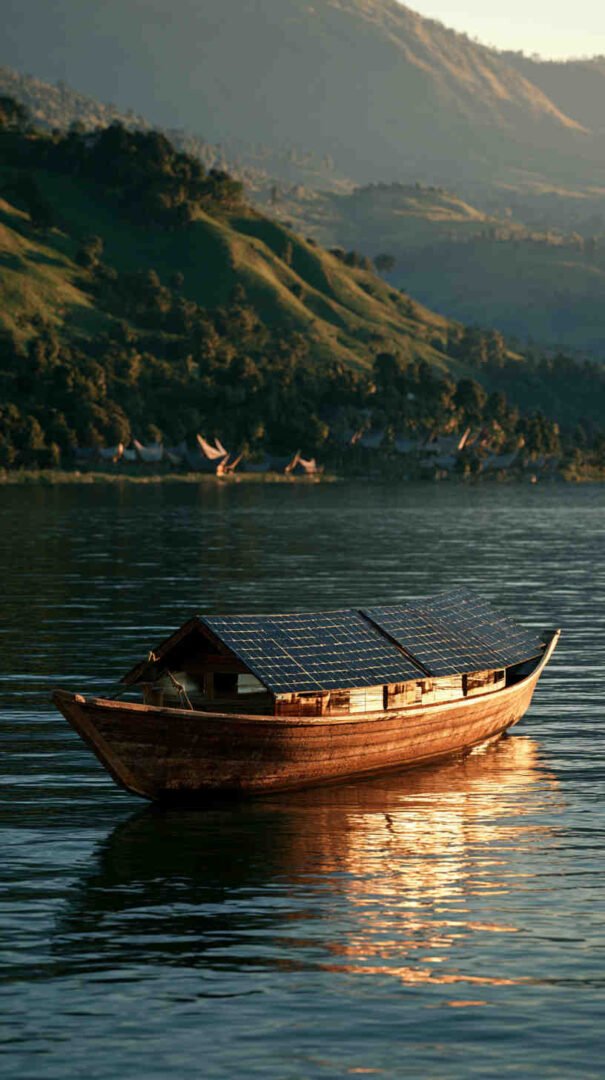
Eco-friendly electric boats represent a meaningful shift in how people can enjoy the water without compromising the health of the ecosystems they love. With zero direct emissions, minimal noise, and lower long-term running costs, they offer a compelling alternative to traditional gas-powered boats. While challenges around range, charging infrastructure, and upfront cost remain, rapid advances in battery technology are steadily closing that gap.
For anyone who values clean lakes, quiet mornings on the water, and a lighter environmental footprint, the electric boat is no longer a futuristic concept — it is very much a part of the present, and its role on the world’s waterways is only set to grow.
Happy Boating!
Share Eco-Friendly Electric Boat Wallpaper with your friends and leave a comment below with your thoughts.
Read Electric Luxury Boat Wallpaper until we meet in the next article.