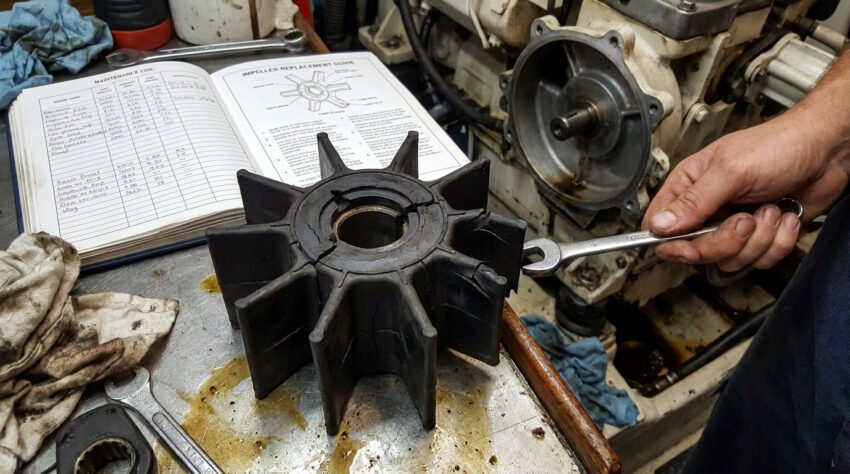
If you own a boat with an inboard or sterndrive engine, there’s a good chance your cooling system depends on a small rubber part that rarely gets a second thought — until it fails. That part is the raw water impeller, and understanding how long it lasts, what shortens its life, and how to spot trouble early can save you from an overheated engine, an expensive repair bill, or worse, a breakdown miles from the dock.
What Is a Raw Water Impeller?
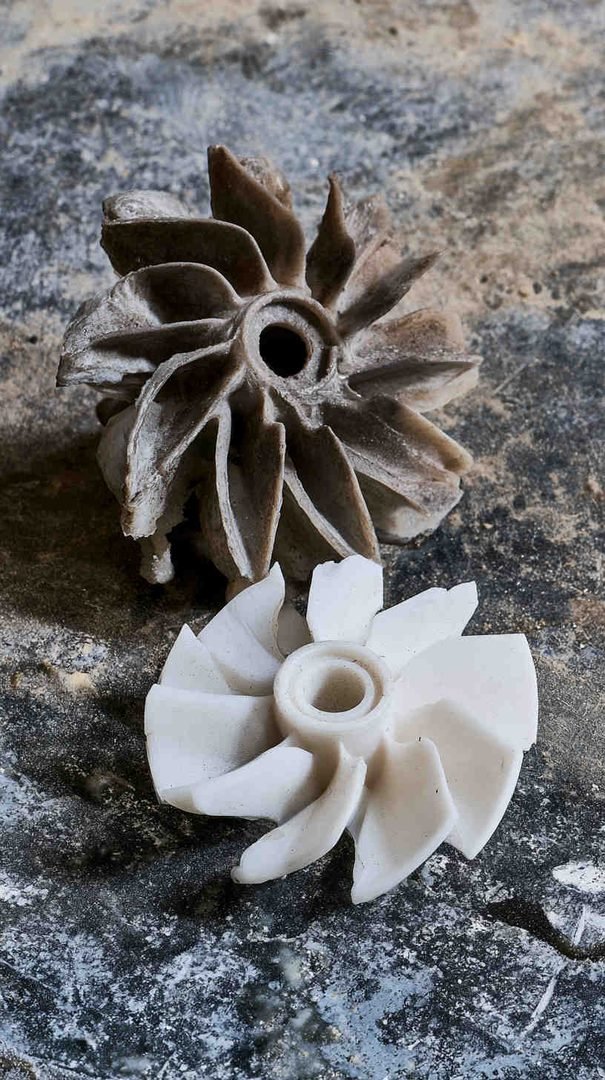
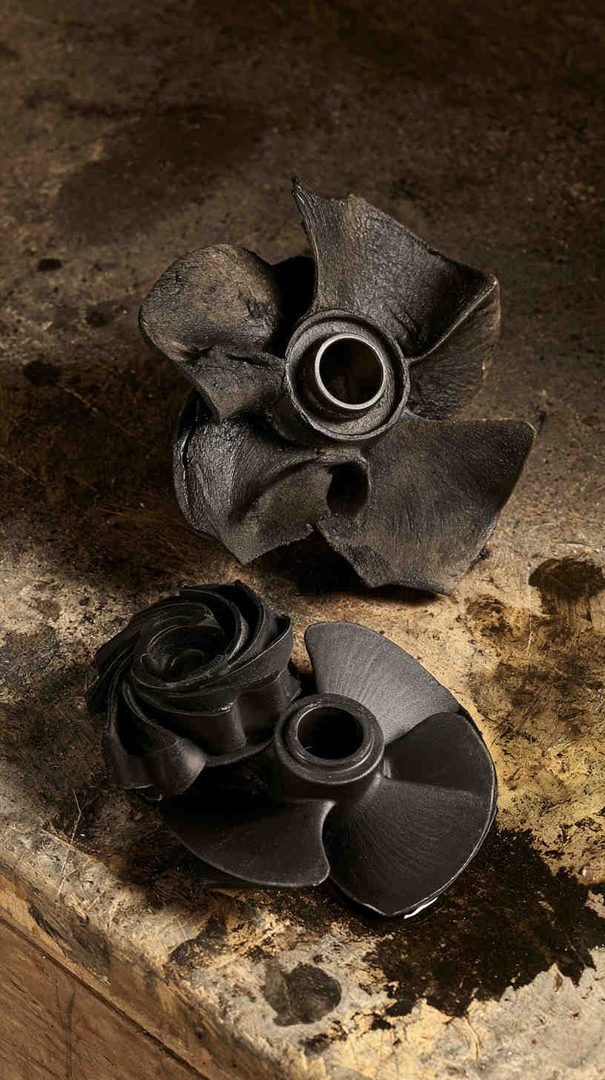
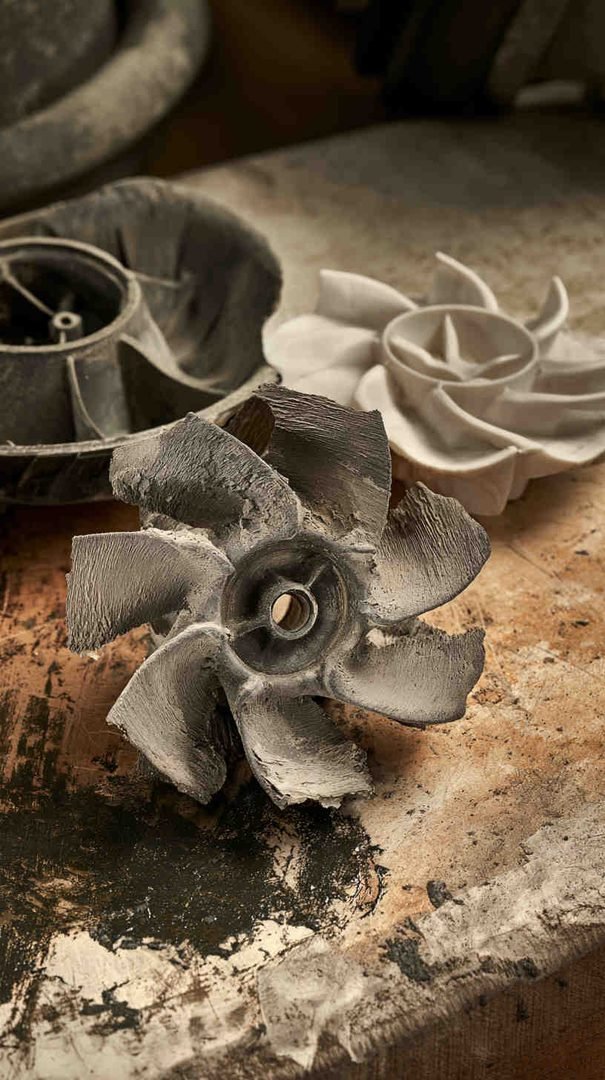
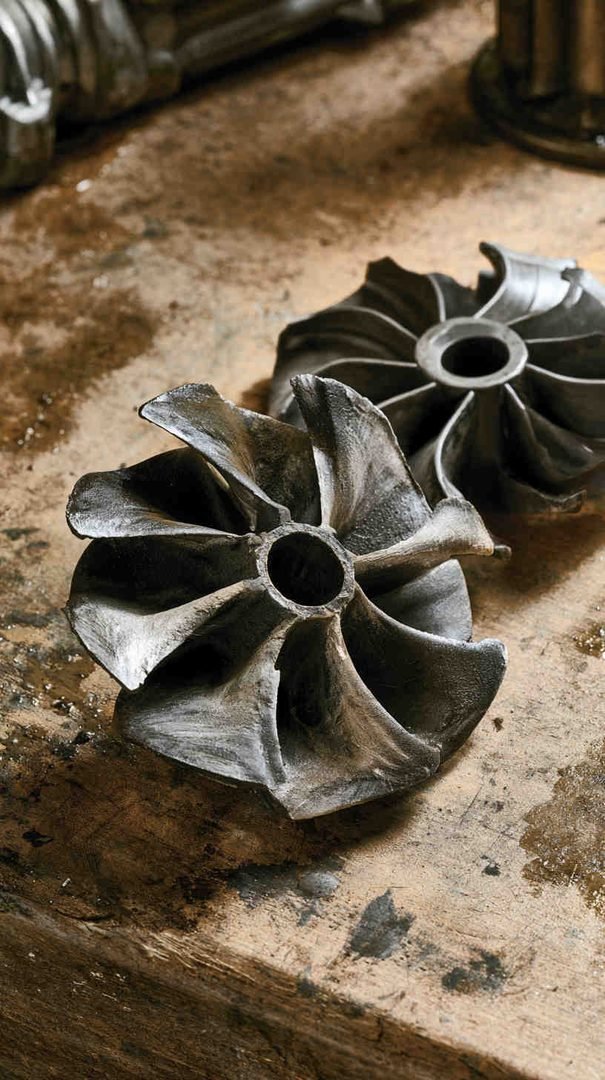
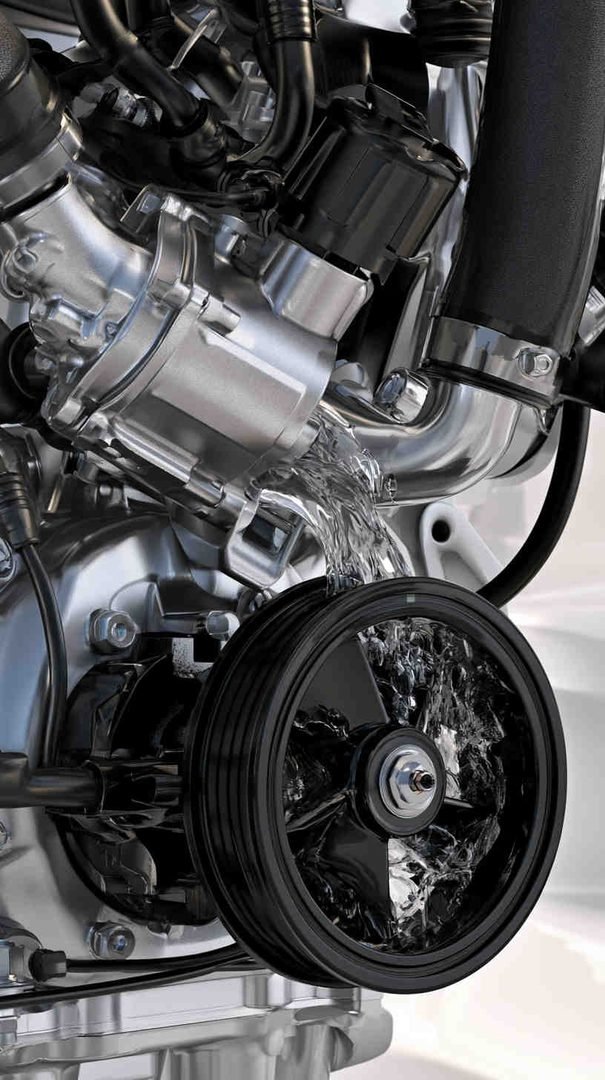
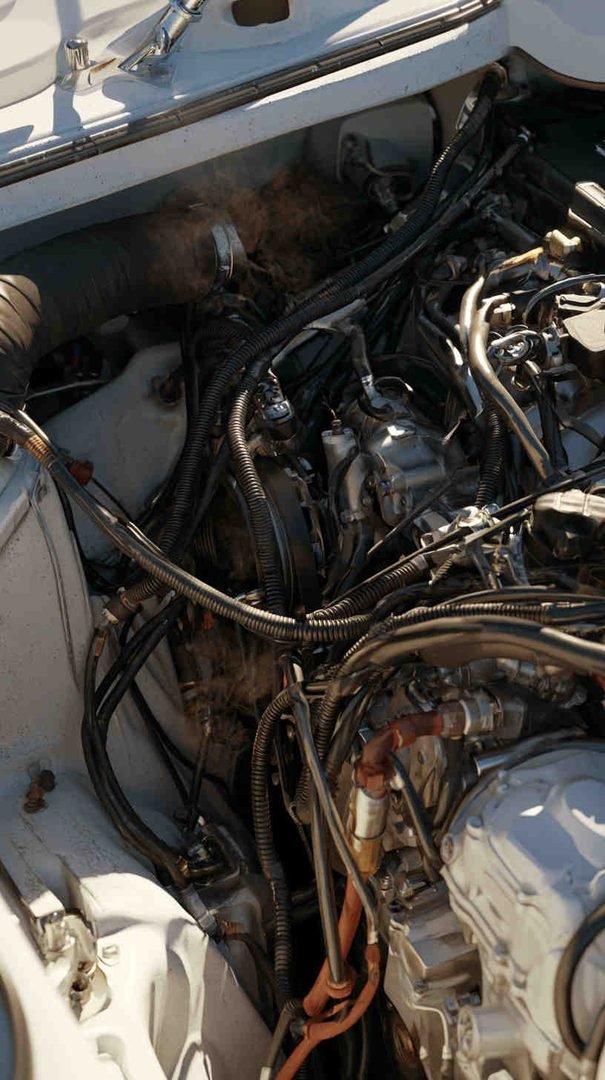
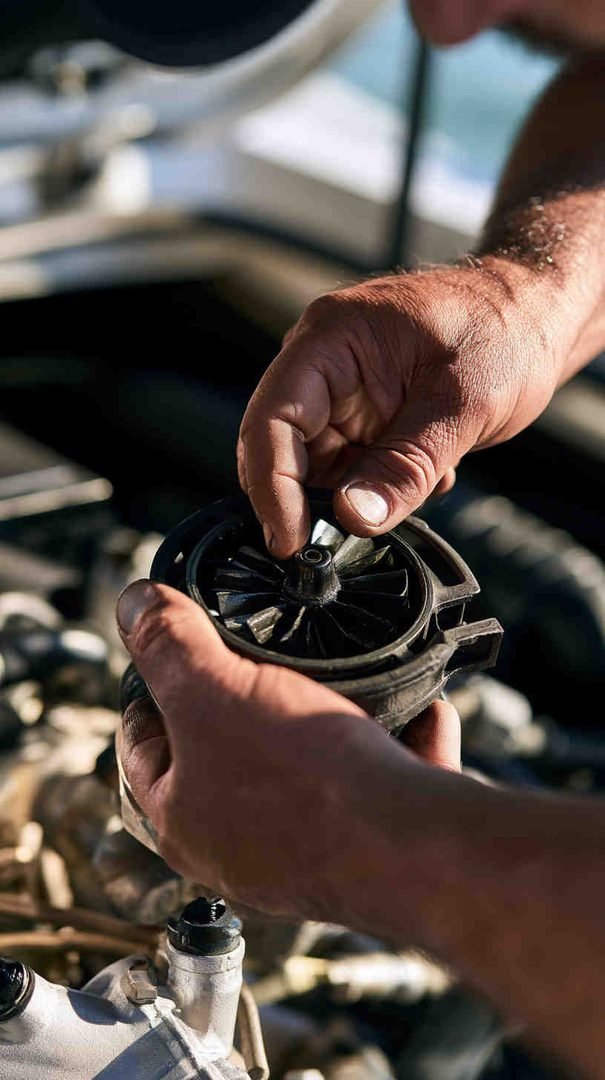
The raw water impeller is a small, flexible rubber component with curved vanes, mounted inside your engine’s raw water pump. Its job is simple but critical: it draws water from the lake, river, or ocean and pushes it through your engine’s cooling system to keep temperatures in check. Without a functioning impeller, your engine has no way to cool itself, and overheating can happen within minutes of startup.
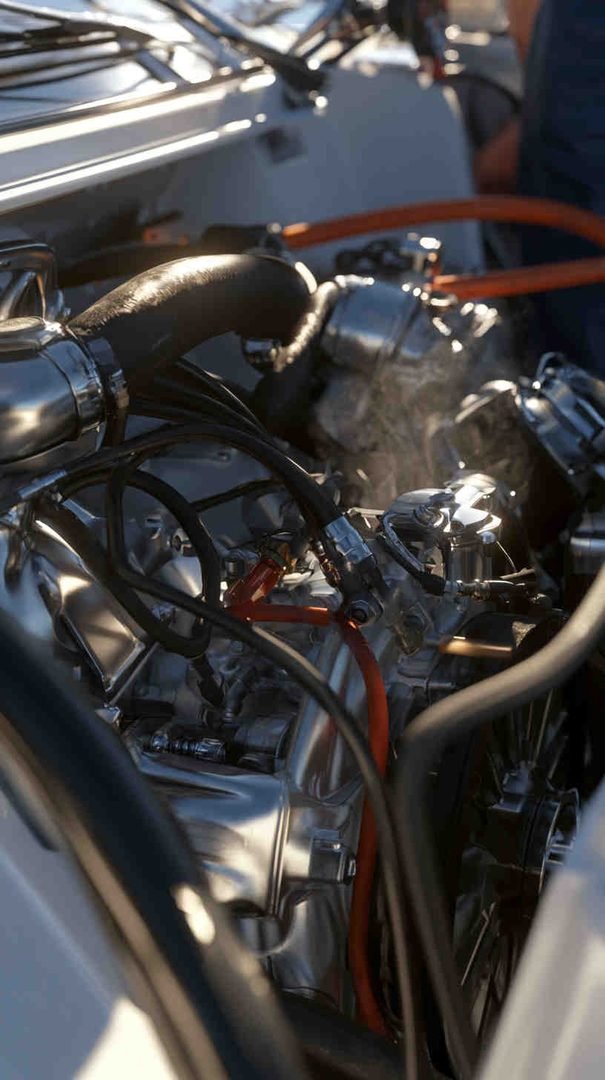
Unlike a car engine, which uses a closed-loop cooling system with coolant, most boat engines rely on raw water (or a heat exchanger cooled by raw water) to pull heat away from the block. The impeller is the heart of that process, and it’s constantly working whenever your engine is running.
How Long Does a Raw Water Impeller Actually Last?
There’s no single universal answer, because impeller lifespan depends heavily on usage patterns, water conditions, and maintenance habits. That said, most manufacturers and experienced boaters agree on a general guideline.
Typical lifespan: 1 to 2 boating seasons, or roughly 100 to 300 hours of run time.
For boaters who use their vessel frequently in clean, cool freshwater, an impeller might last closer to two seasons. For those running in saltwater, brackish water, or silty rivers, or those who only take the boat out occasionally, the impeller can degrade much faster — sometimes within a single season, even if it doesn’t see heavy use.
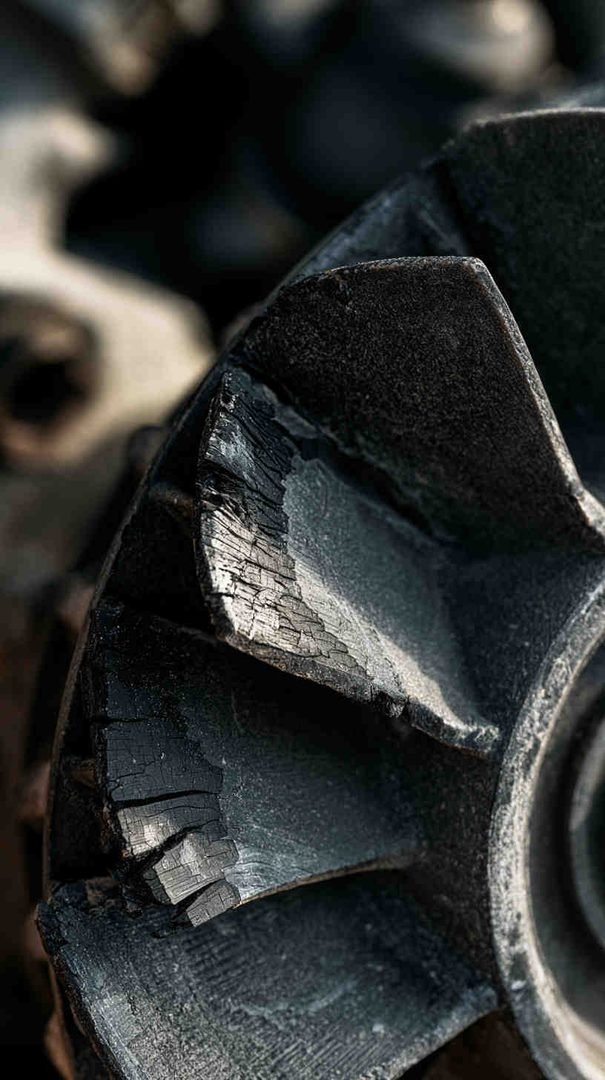
This is because rubber degrades over time regardless of how much it’s actually working. Heat, exposure to fuel and oil residue, and simply sitting idle can dry out and crack the material just as much as active wear from spinning against the pump housing.
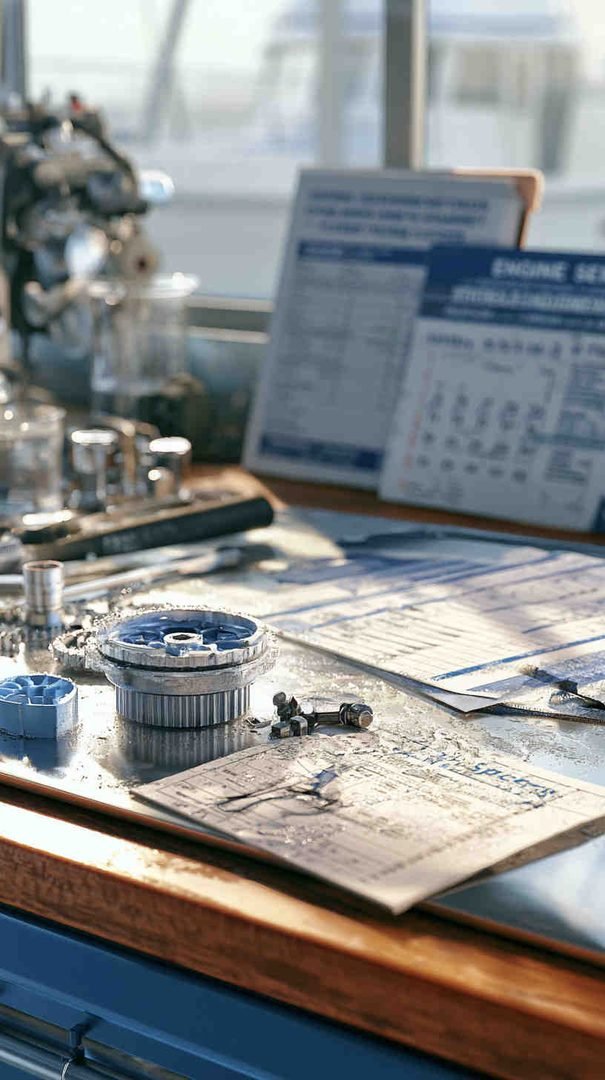
Why Impellers Wear Out Faster Than You’d Expect
Several factors work against the longevity of this small but essential part:
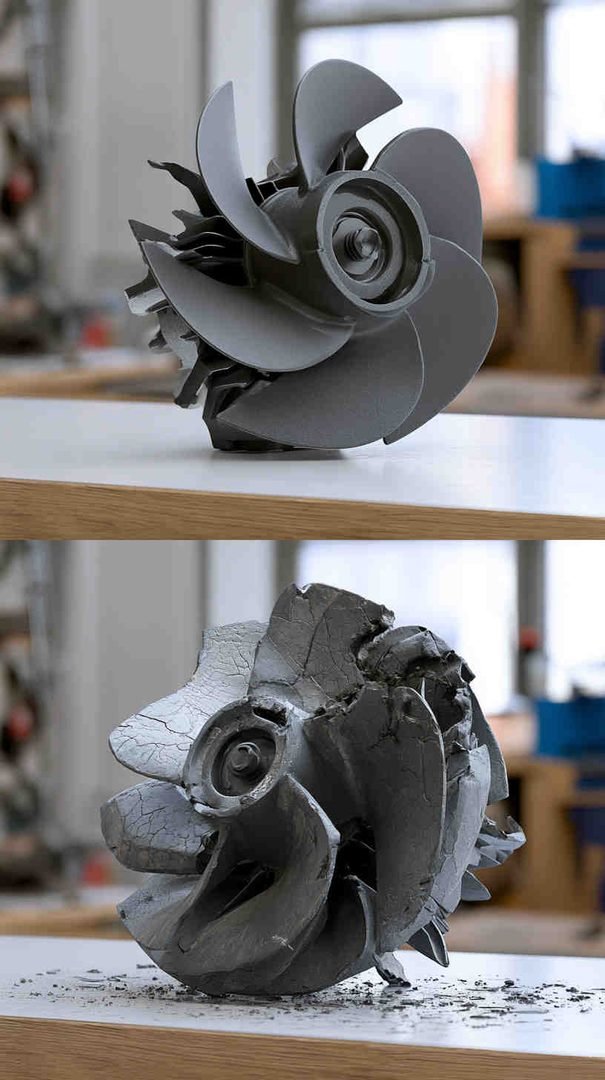
1. Dry running. If an impeller spins even briefly without water present — during storage, a quick test start, or a clogged intake — the rubber vanes can overheat and take permanent damage almost instantly. A few seconds of dry running can undo months of otherwise gentle use.
2. Sitting idle. Boats that spend long stretches unused are actually harder on impellers than boats in regular rotation. When the vanes stay bent in one position for weeks or months, the rubber can take a “set,” losing its flexibility and its ability to seal properly against the pump housing.
3. Water quality. Sand, silt, and debris act like sandpaper against the impeller and its housing. Boaters in murky rivers or shallow coastal water tend to see faster wear than those in clear lakes.
4. Heat exposure. Engine compartment heat, especially in poorly ventilated bilges, accelerates the natural breakdown of rubber compounds over time.
5. Fuel and oil contamination. Even small amounts of oil or fuel residue in the bilge or raw water intake area can cause rubber to swell, soften, or degrade prematurely.
Warning Signs Your Impeller Is Failing
Catching a failing impeller before it fails completely can prevent a much bigger headache. Watch for these signs:
- Rising engine temperature on your gauge, especially at idle or low RPM
- Reduced or inconsistent water flow from the exhaust or telltale (the small stream of water that should shoot out when the engine runs)
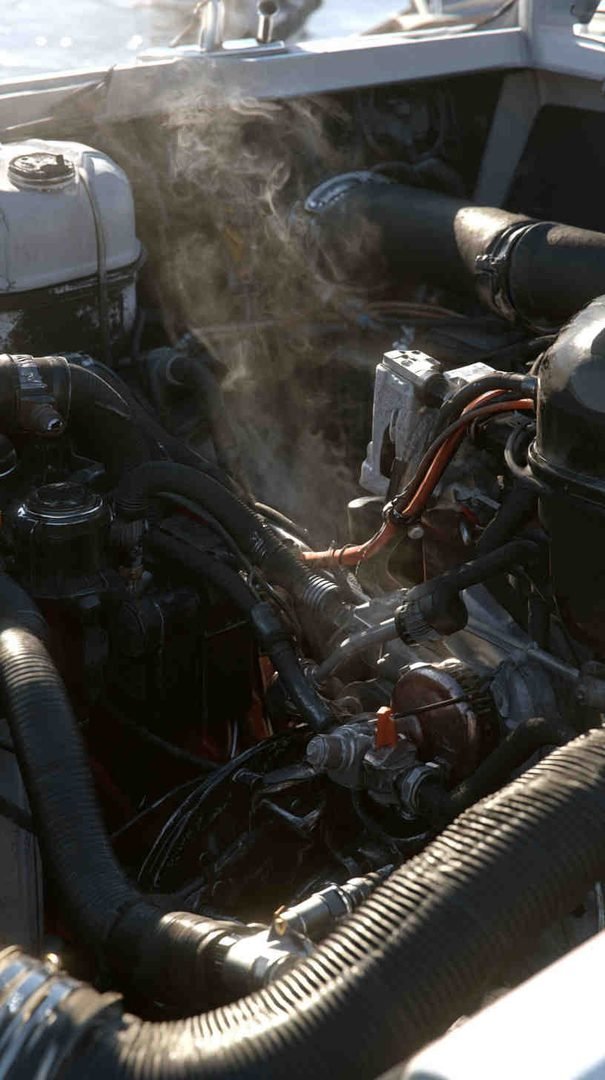
- Overheating alarms triggering more frequently
- Unusual vibration or noise from the water pump area
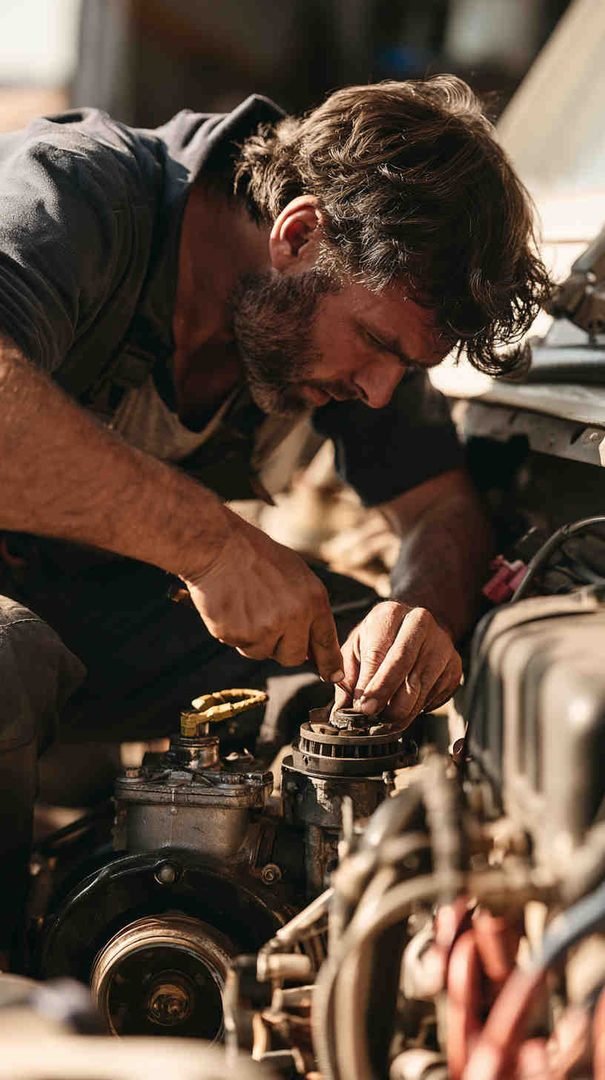
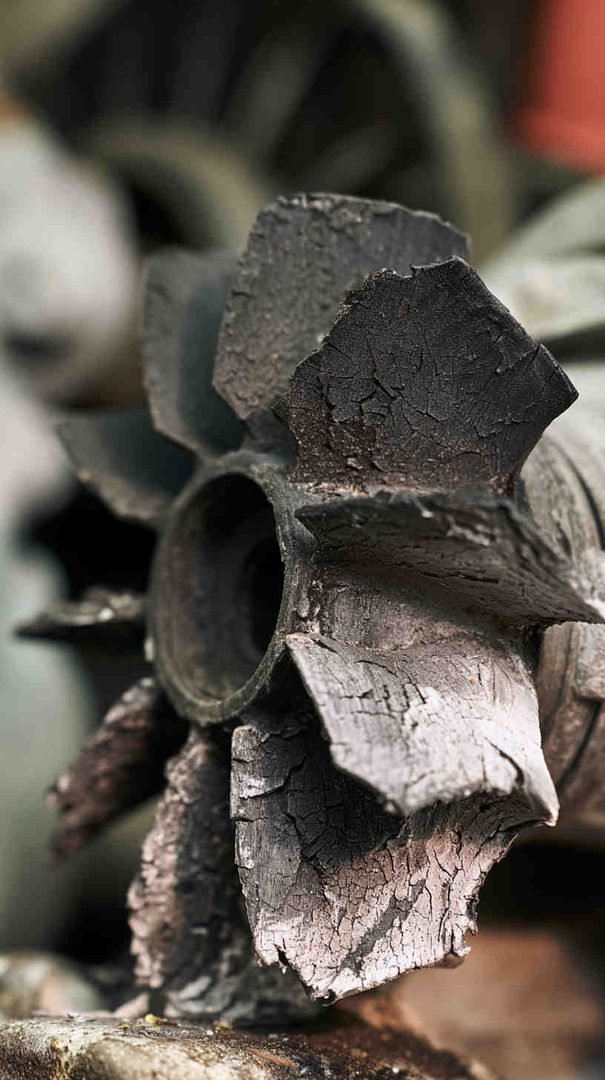
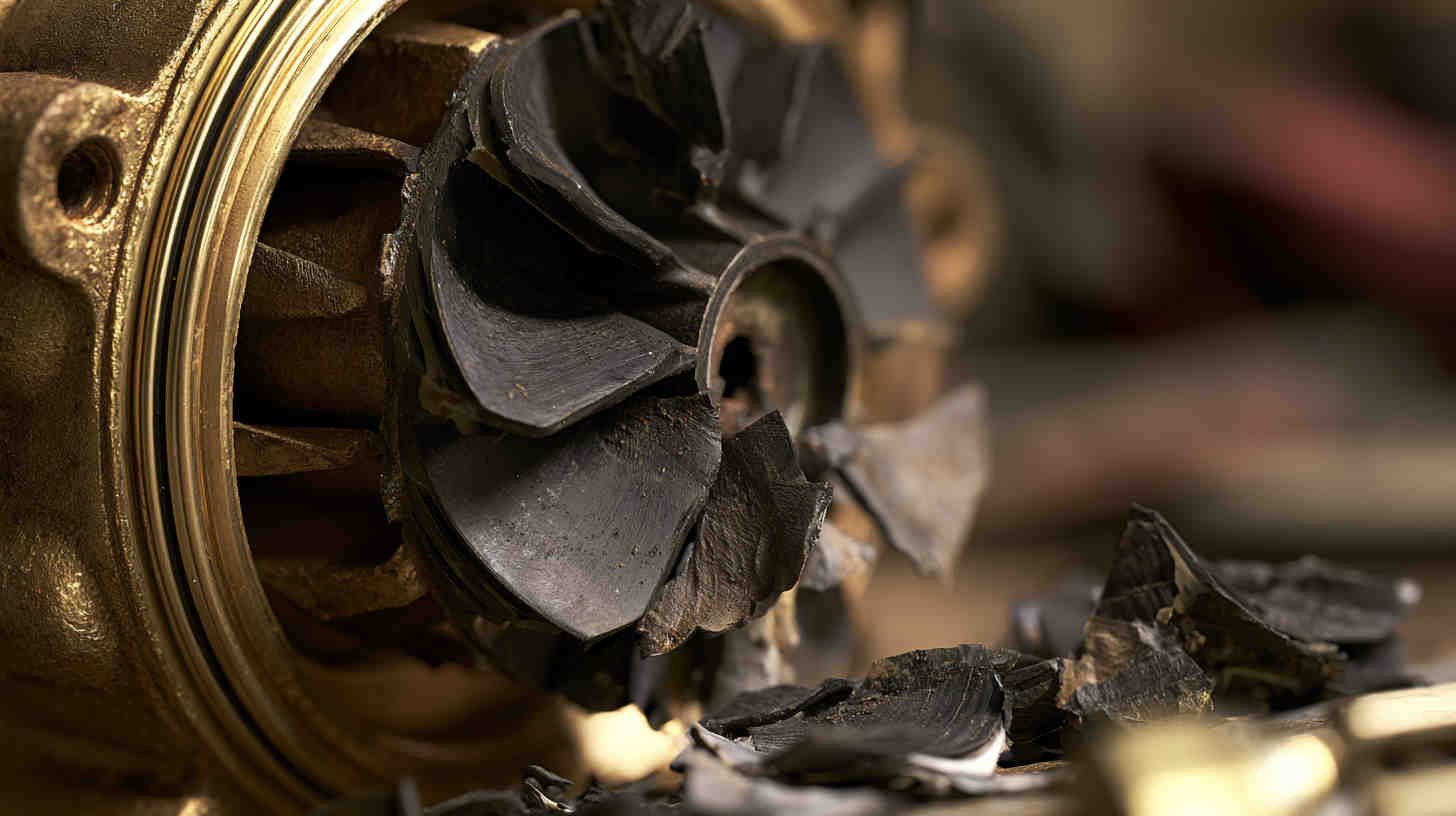
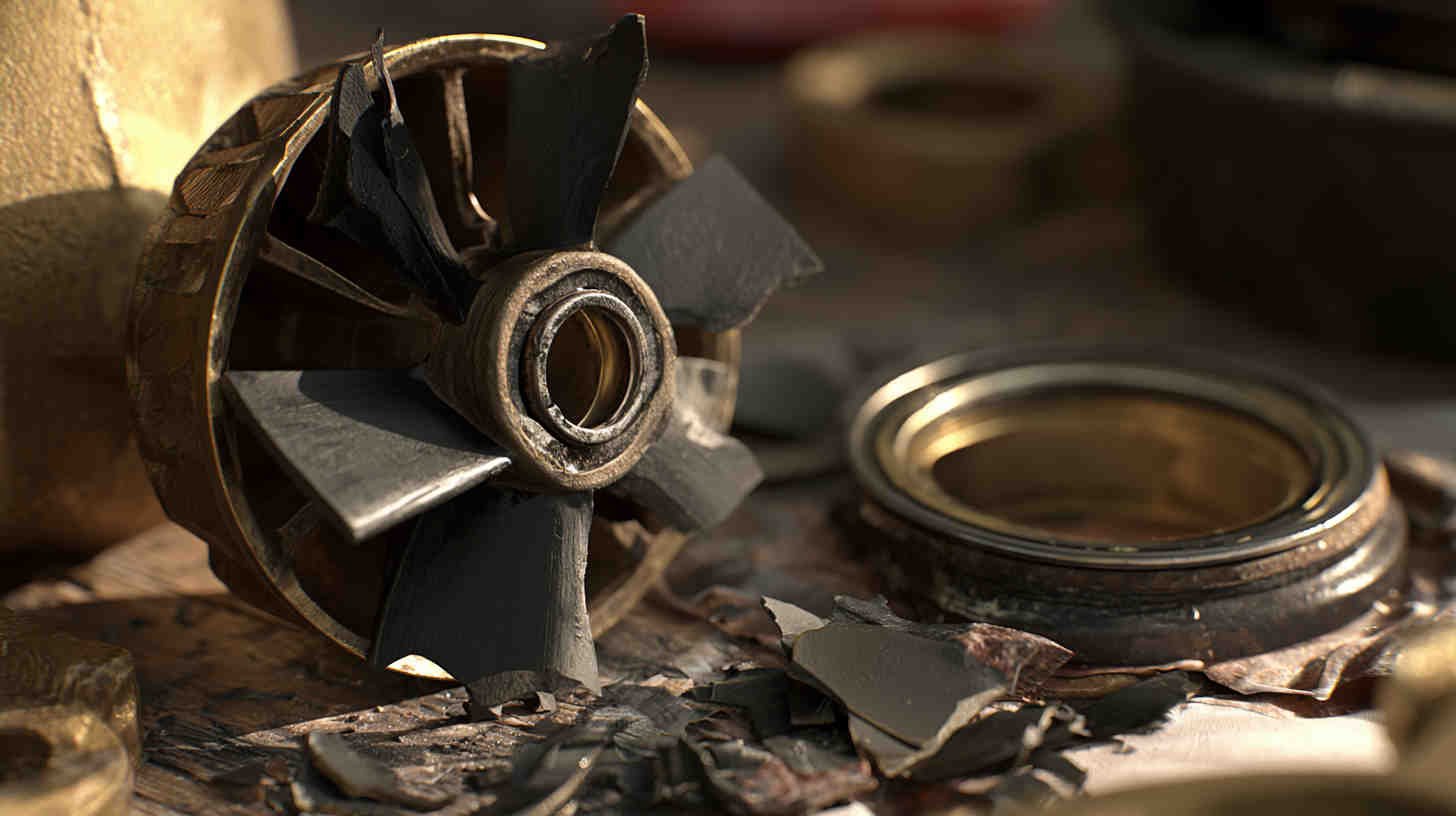
- Visible cracks or missing vane tips if you inspect the impeller directly
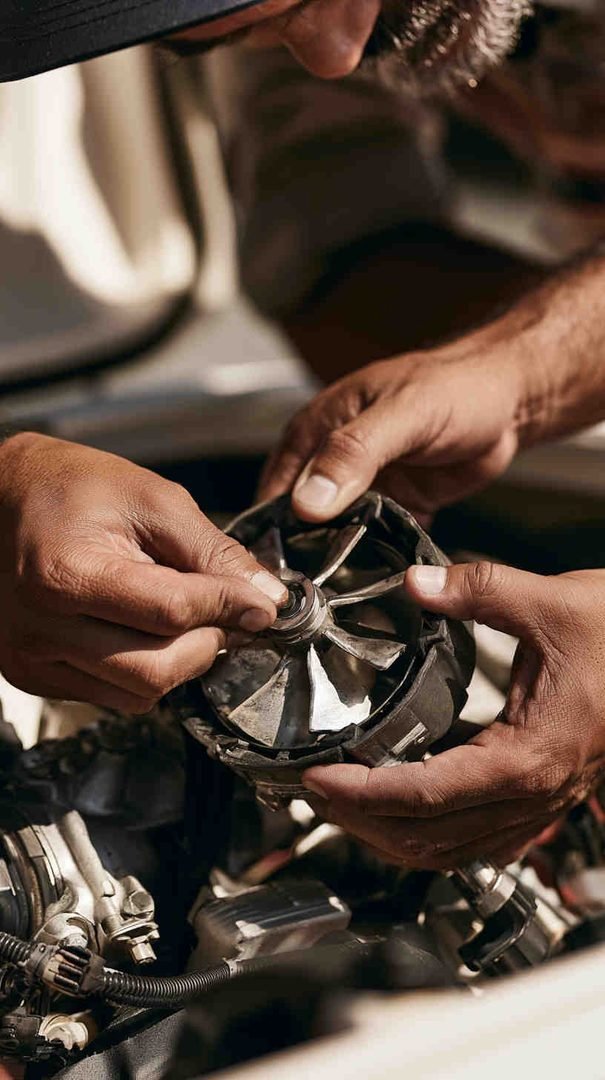
If you notice any of these symptoms, it’s worth pulling the pump cover and inspecting the impeller before continuing to run the engine. A missing vane fragment can also travel downstream and lodge in a hose or heat exchanger, turning a simple impeller swap into a more involved repair.
How to Extend Impeller Life
While no impeller lasts forever, a few habits can meaningfully extend its usable life:
Never run the engine dry. Always confirm water flow before starting your engine, whether on the water or during a flush at the dock.
Flush after saltwater use. Saltwater is especially hard on rubber and metal components. A freshwater flush after every outing helps reduce salt buildup and corrosion around the pump housing.
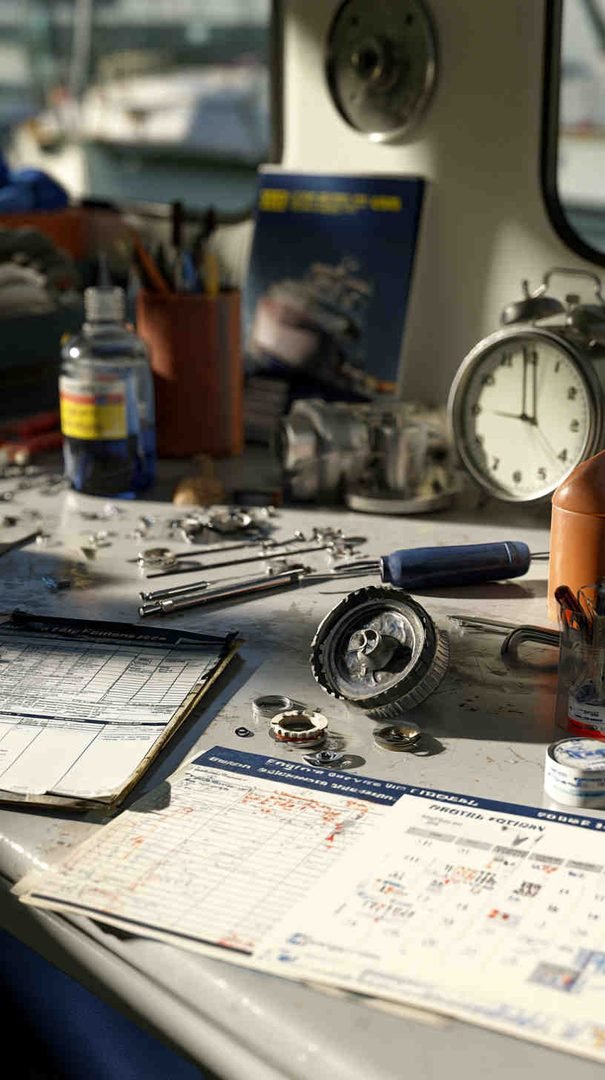
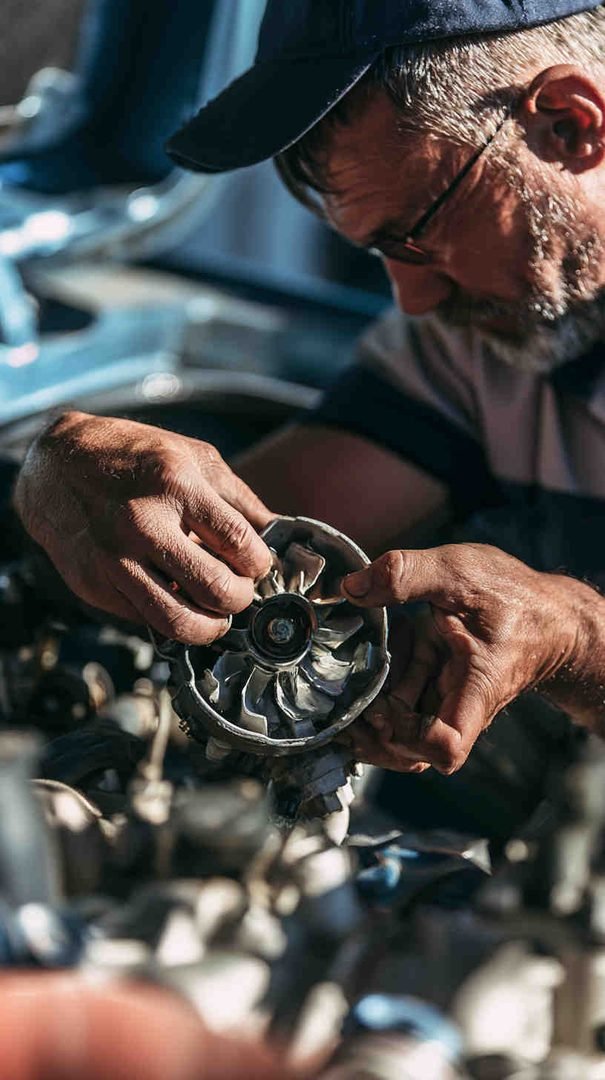
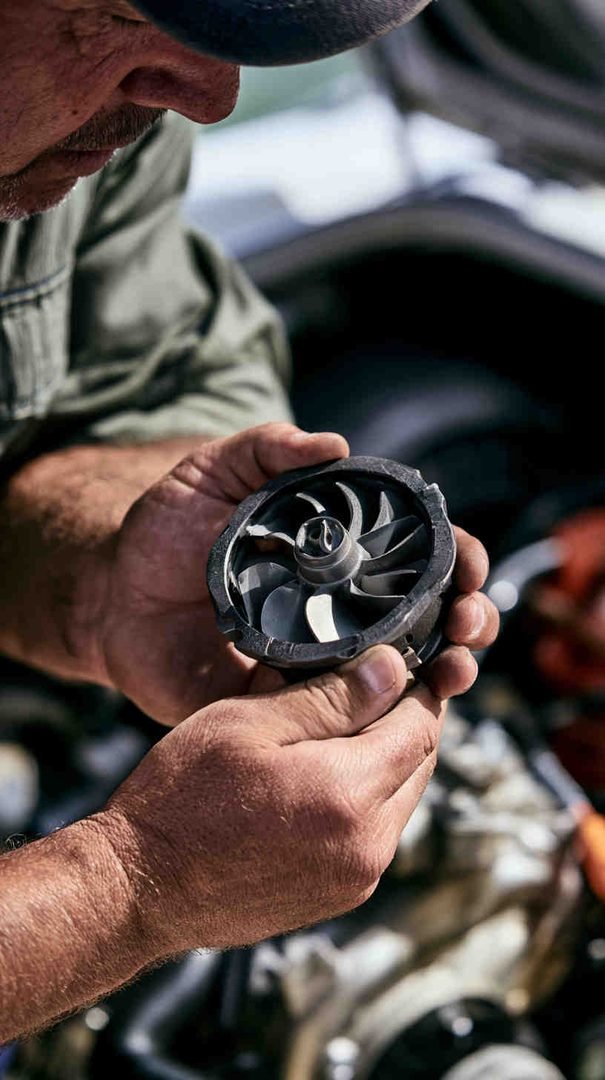
Inspect before the season starts. A quick visual check each spring — looking for cracked, glazed, or missing vanes — can catch problems before they strand you on the water.
Keep spares on board. Because failure often happens without much warning, carrying a spare impeller, gasket, and the tools to replace it is one of the simplest forms of insurance for any boater who ventures beyond sight of the dock.
Avoid long idle periods without preparation. If you know your boat will sit for an extended time, consider the manufacturer’s guidance on impeller care for storage, since prolonged inactivity is one of the more overlooked causes of premature wear.
Replacing the Impeller: What to Expect
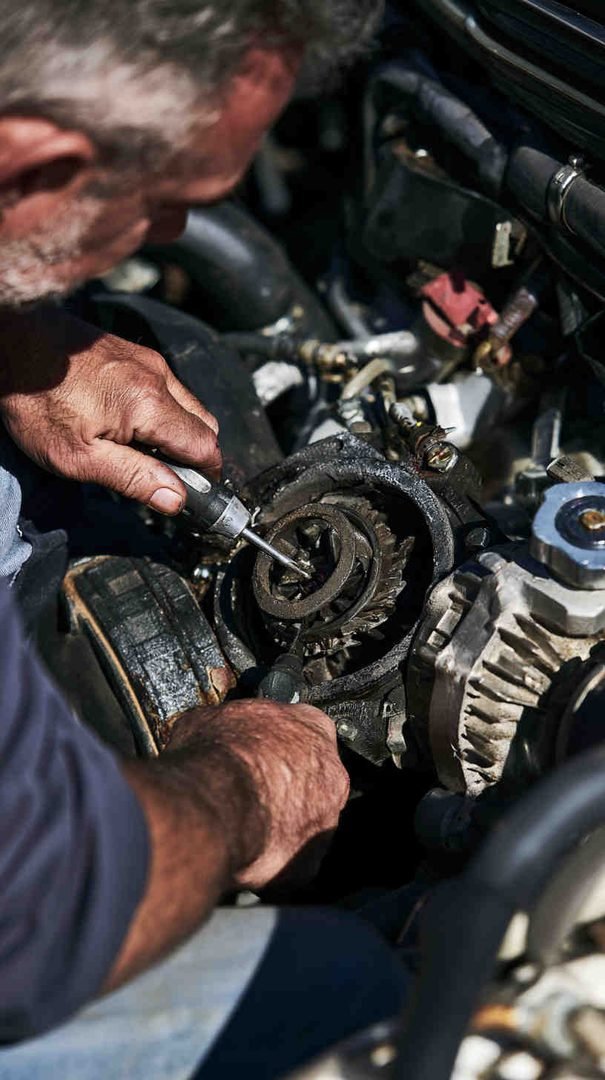
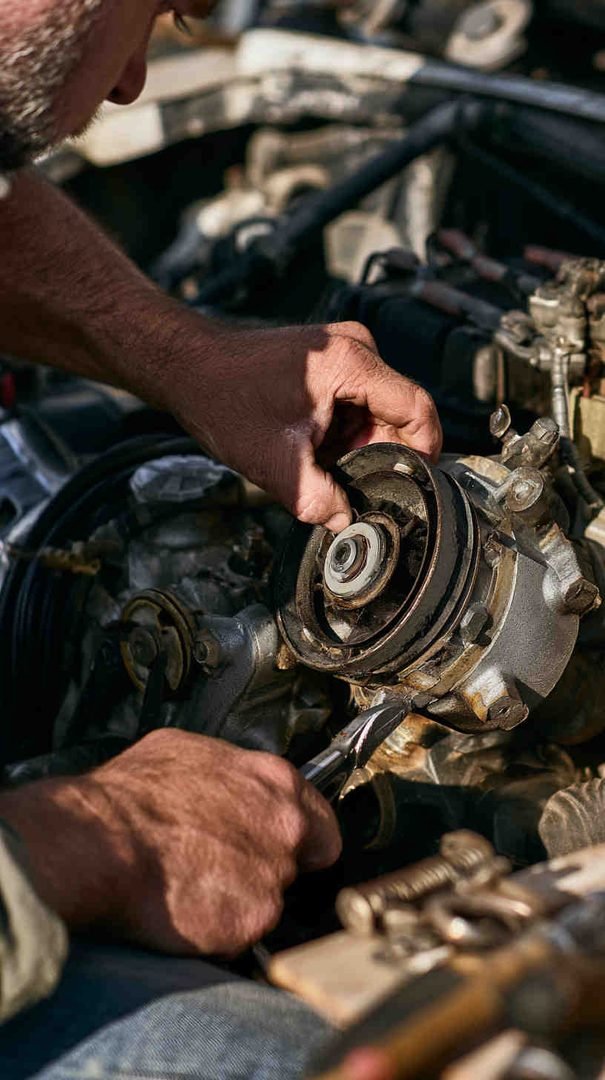
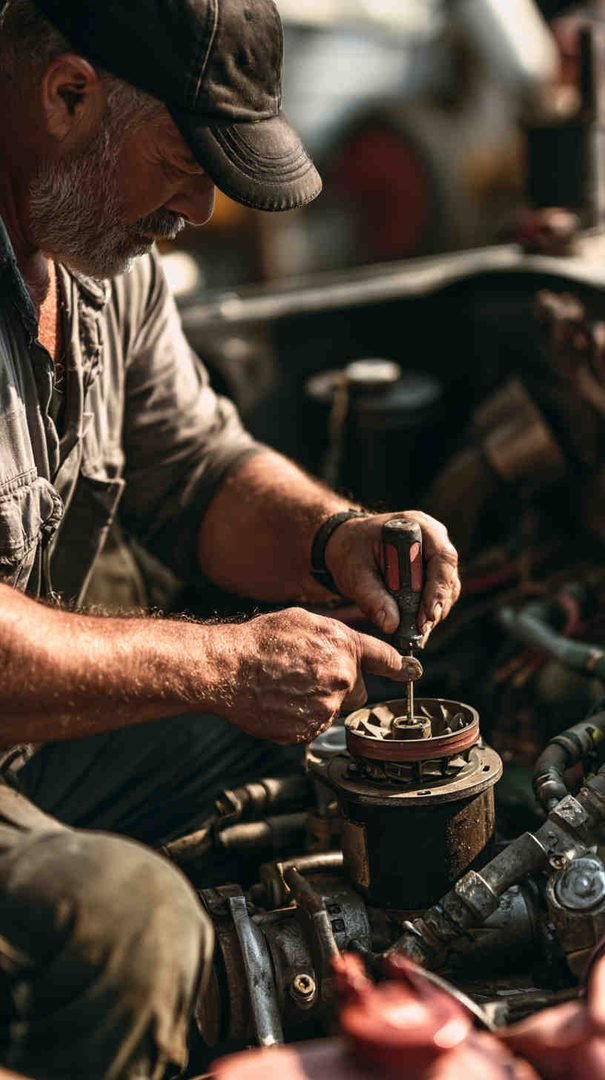
Most raw water impellers are designed to be replaced without major engine disassembly, though the exact process varies by engine and pump manufacturer. In general, replacement involves:
- Shutting off the engine and closing the raw water intake seacock
- Removing the pump cover plate
- Extracting the old impeller (sometimes with a small puller tool, since they can be snug)
- Inspecting the pump housing, cam, and wear plate for scoring or damage
- Lubricating and installing the new impeller with the vanes oriented correctly
- Replacing the cover gasket and reassembling the pump
- Reopening the seacock and confirming water flow before running the engine under load
Many boaters choose to replace the impeller as part of routine annual maintenance rather than waiting for failure, since the part itself is inexpensive compared to the cost of an overheating incident or a tow back to shore.
The Bottom Line
A raw water impeller is a small part with an outsized job. Most last one to two seasons under normal conditions, but real-world lifespan depends on how often you run your engine, the water conditions you boat in, and how well you maintain the surrounding cooling system. Regular inspection, proper flushing habits, and never allowing the pump to run dry are the simplest ways to avoid an unexpected failure. Since this part tends to fail without much warning, treating it as a routine annual replacement — rather than waiting for symptoms — is one of the most cost-effective habits a boat owner can adopt.
Staying ahead of impeller wear isn’t just about avoiding a repair bill. It’s about keeping your engine’s cooling system reliable when you need it most, whether that’s a quick afternoon on the lake or a longer trip further from shore.
Happy Boating!
Share Understanding the lifespan of your boat’s raw water impeller with your friends and leave a comment below with your thoughts.
Read Trailer bearing maintenance for boats you only launch a few times a year until we meet in the next article.