
If you own a small boat, the transom is one of the most important — and most overlooked — structural parts of your hull. It’s the flat panel at the stern that supports your outboard motor, transom-mounted accessories, and takes on constant stress every time you’re out on the water. Because it’s tucked behind fiberglass skin and often hidden under hardware, transom rot can develop for years before an owner notices anything wrong. By the time it becomes visible, the damage is often already serious.
Catching the early warning signs can save you thousands of dollars in repairs, and in some cases, it can prevent a genuinely dangerous situation on the water. Here’s what every small boat owner needs to know about transom rot: what it is, why it happens, and the signs that tell you it’s time to take a closer look.

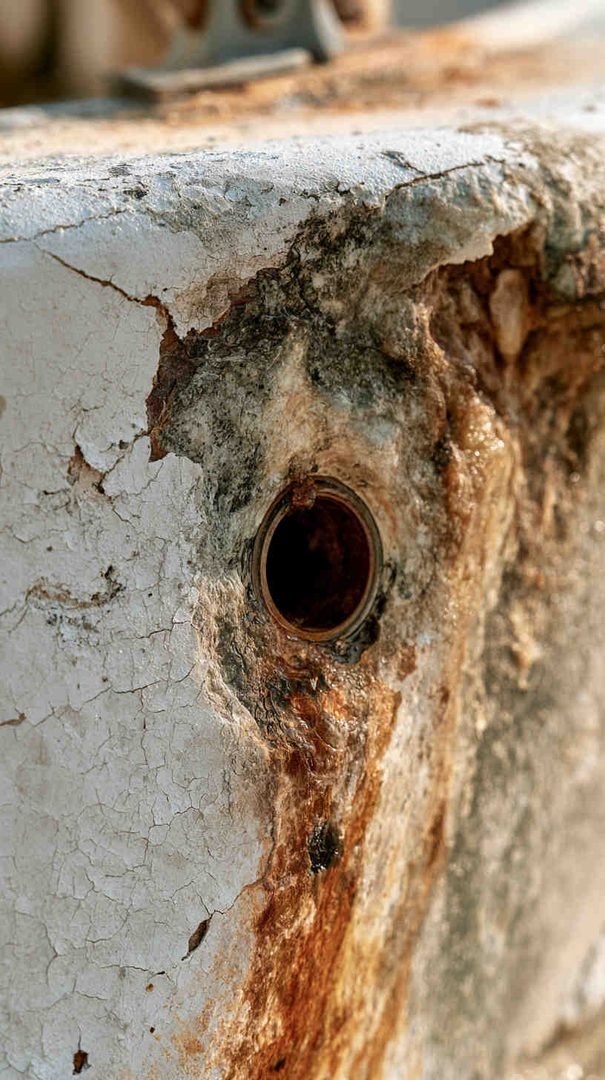
What Is a Boat Transom, and Why Does It Matter So Much?
The transom is the vertical panel at the back of the boat that closes off the hull and provides a mounting point for the outboard motor. On most fiberglass boats built before the last couple of decades, and even on many modern budget models, the transom isn’t solid fiberglass all the way through. Instead, it’s a fiberglass “sandwich” with a core of marine plywood sandwiched between outer layers of fiberglass skin.
That plywood core gives the transom the strength and rigidity needed to handle the constant torque, vibration, and pressure of a running outboard motor. As long as the plywood stays dry and sealed inside its fiberglass shell, it can last for decades. The problem starts when water finds a way in.
Why Transoms Rot in the First Place
Water intrusion is almost always the root cause. Small cracks in the gelcoat, loose or over-drilled mounting bolts, old caulking that has dried out, or even a poorly sealed drain plug can let water seep past the outer fiberglass skin and reach the wood core underneath. Once moisture gets into that plywood, it has nowhere to go. The surrounding fiberglass traps it in place, creating a dark, damp environment that’s perfect for rot to take hold.
Unlike wood left out in the open, which dries after rain, a rotting transom stays wet indefinitely. The moisture slowly breaks down the wood fibers, and the plywood loses its strength from the inside out, all while the outer fiberglass often still looks perfectly fine. This is exactly why transom rot is so sneaky: the visible surface can hide serious internal decay for a long time.



The Early Warning Signs of Transom Rot
1. Soft or Spongy Spots When You Press on the Transom
This is one of the most reliable tests a small boat owner can do without any special tools. Press firmly on the transom, especially around the motor mounting bolts, with your palm or knuckles. A healthy transom should feel rock solid, with no give at all. If you notice any softness, flex, or a spongy feel, that’s a strong indicator that the wood core underneath has started to break down.
2. Cracks or Spider-Webbing in the Gelcoat Near the Transom
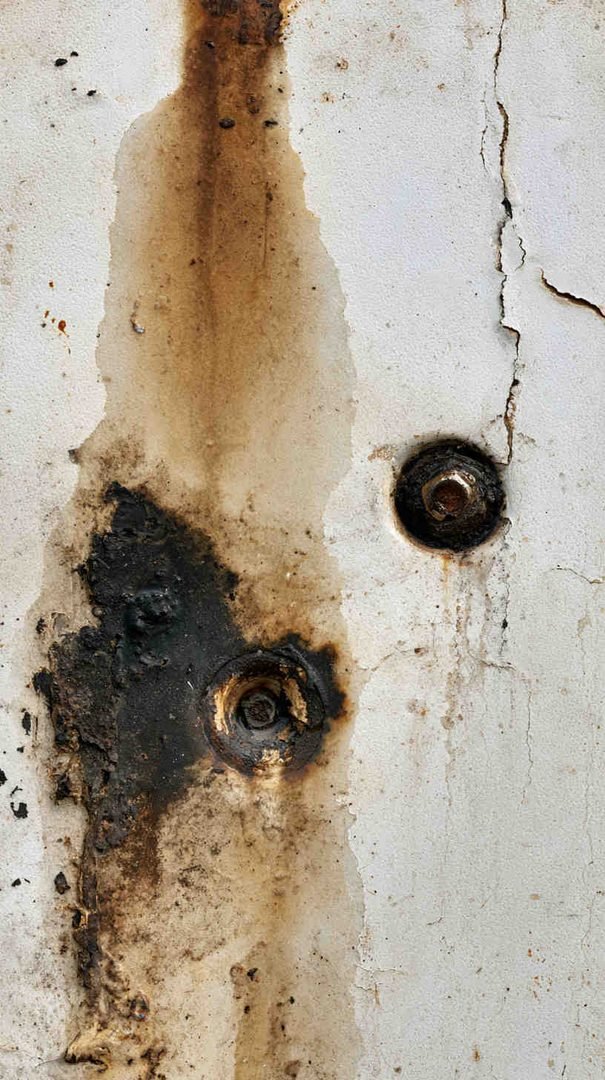
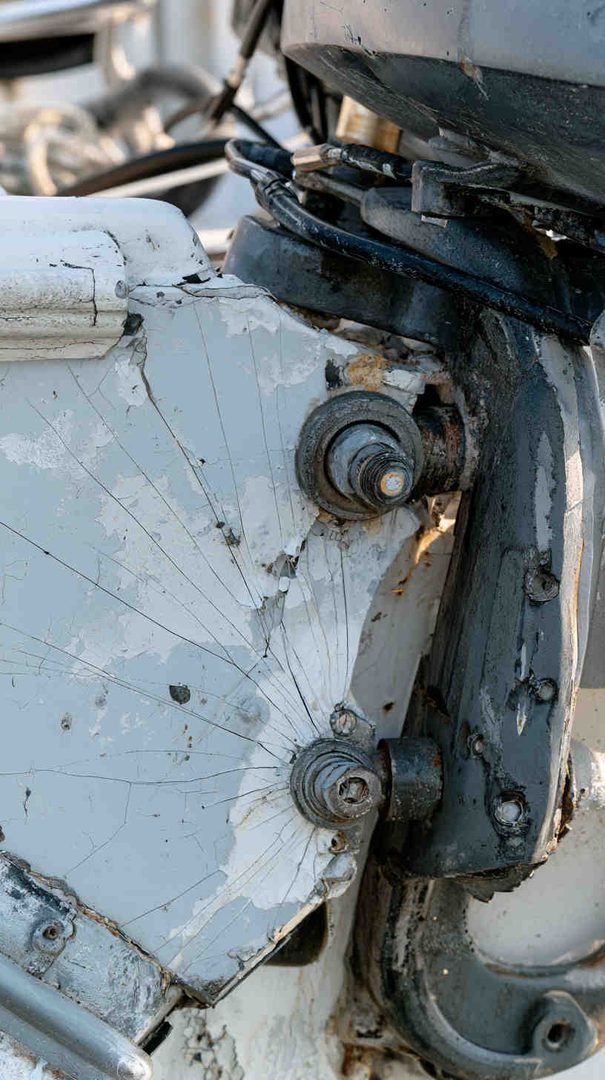
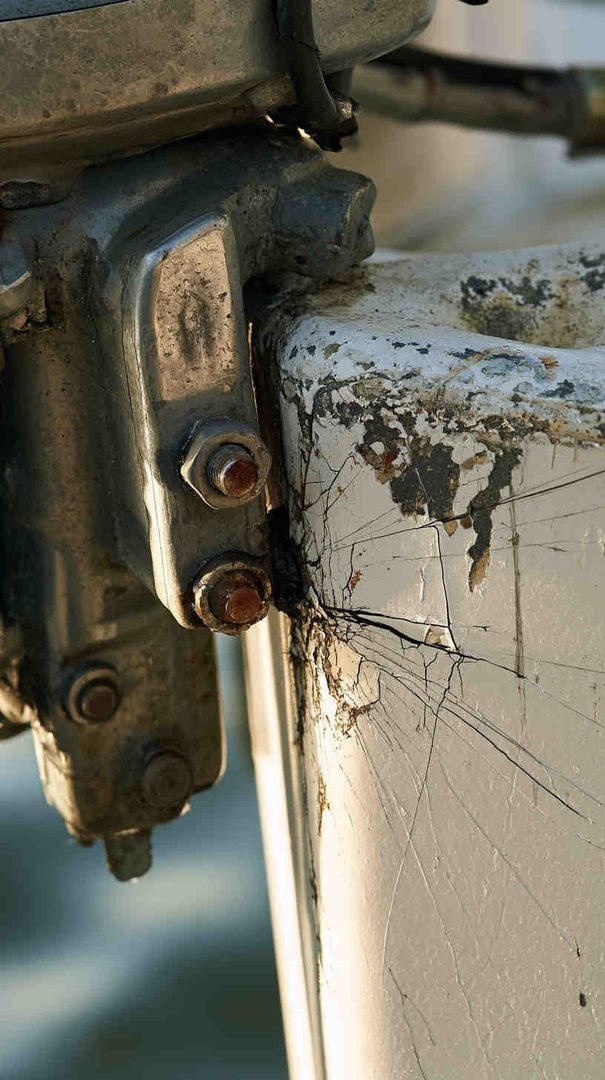
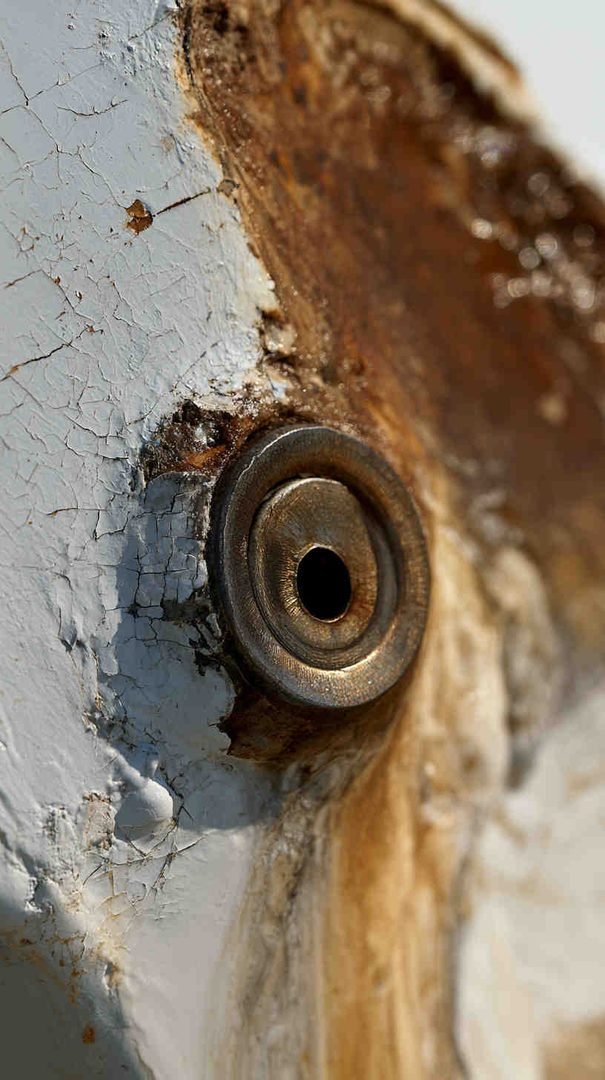
Small stress cracks around the transom, particularly near the motor mounting bolts or along the top edge, are often the entry point for water in the first place. But they’re also a symptom of rot that’s already underway. As the wood core softens, it can no longer support the fiberglass skin properly, so the outer layer starts to crack and flex under normal loads. If you spot new cracking that wasn’t there before, or cracks that seem to be spreading, don’t ignore it.
3. Discoloration, Bubbling, or Blistering on the Transom Surface
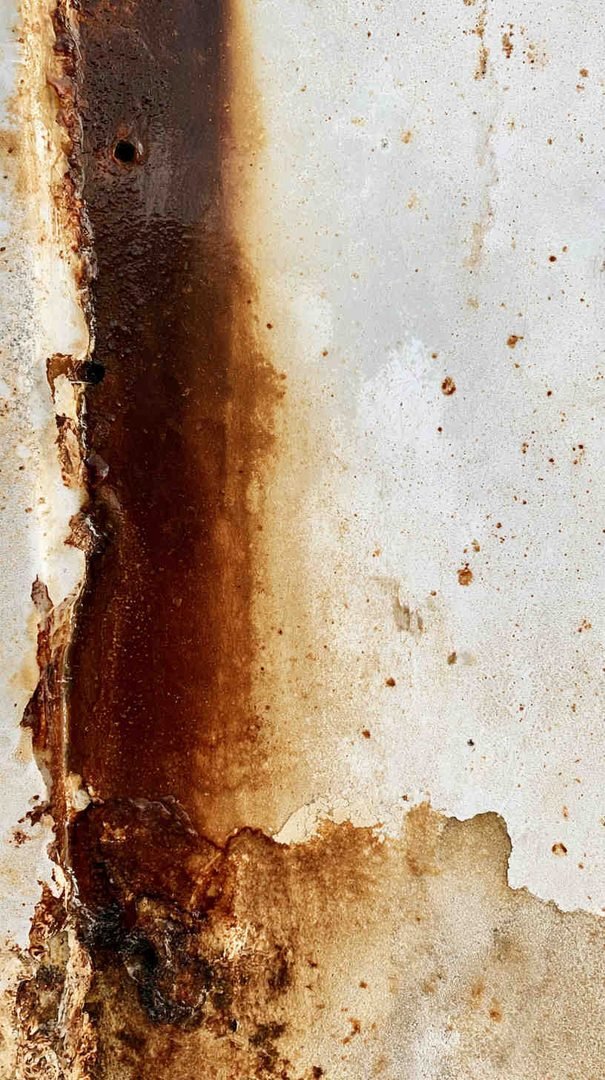
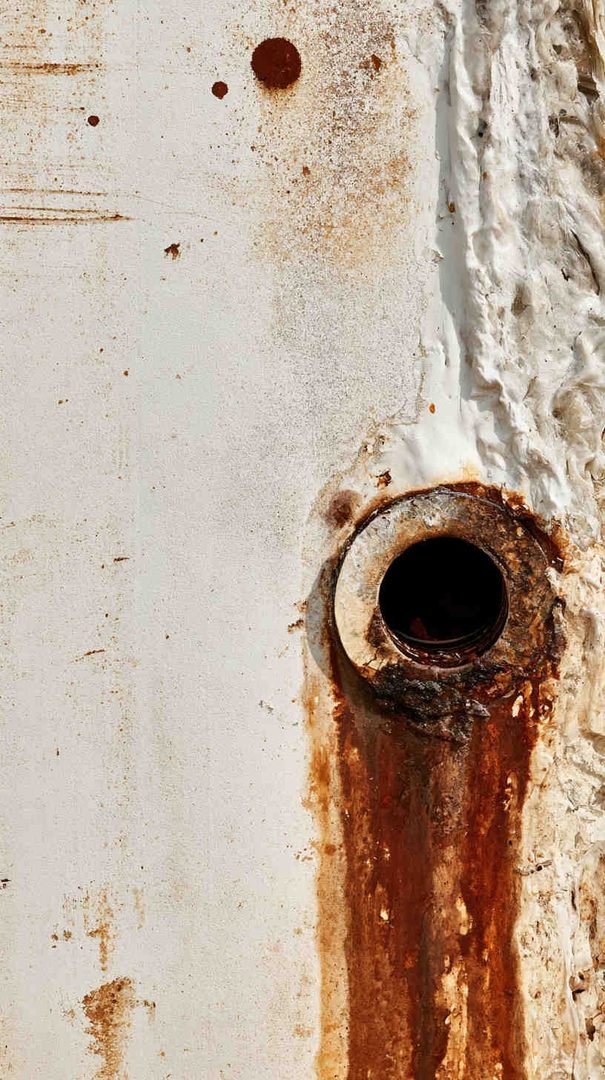
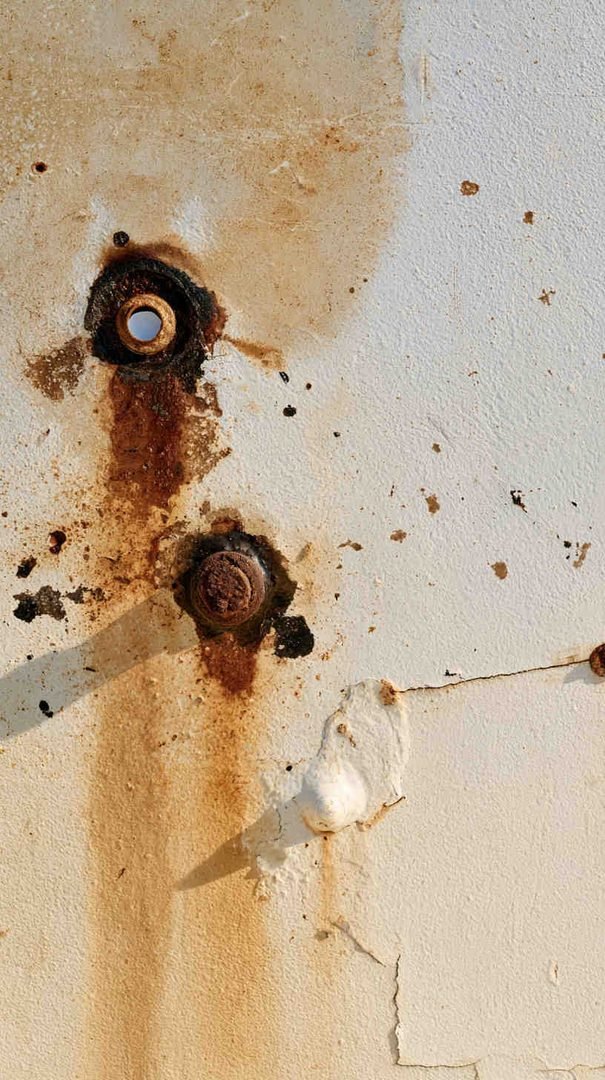
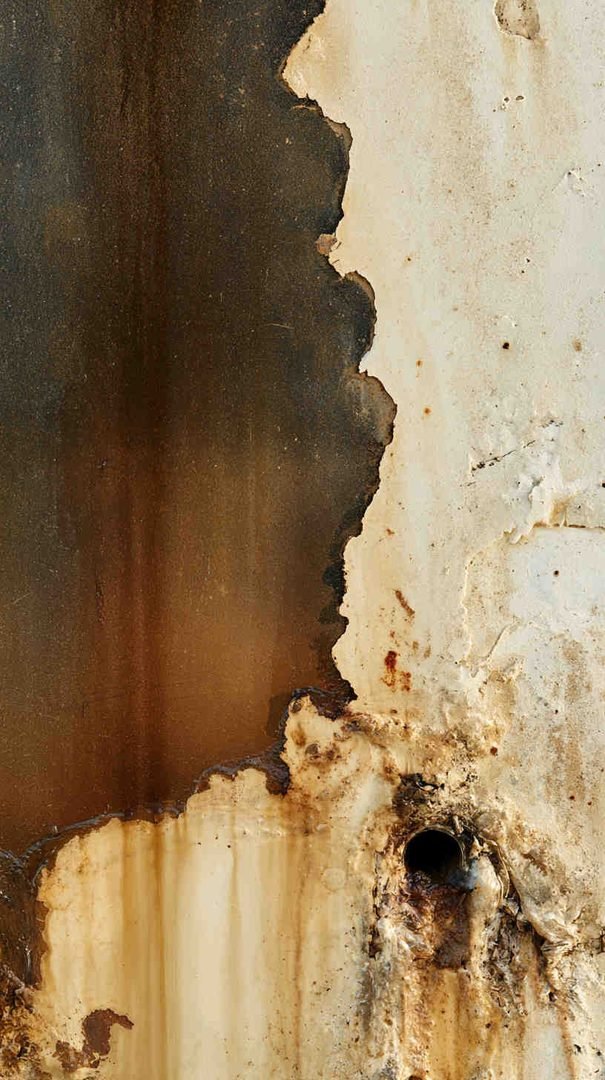
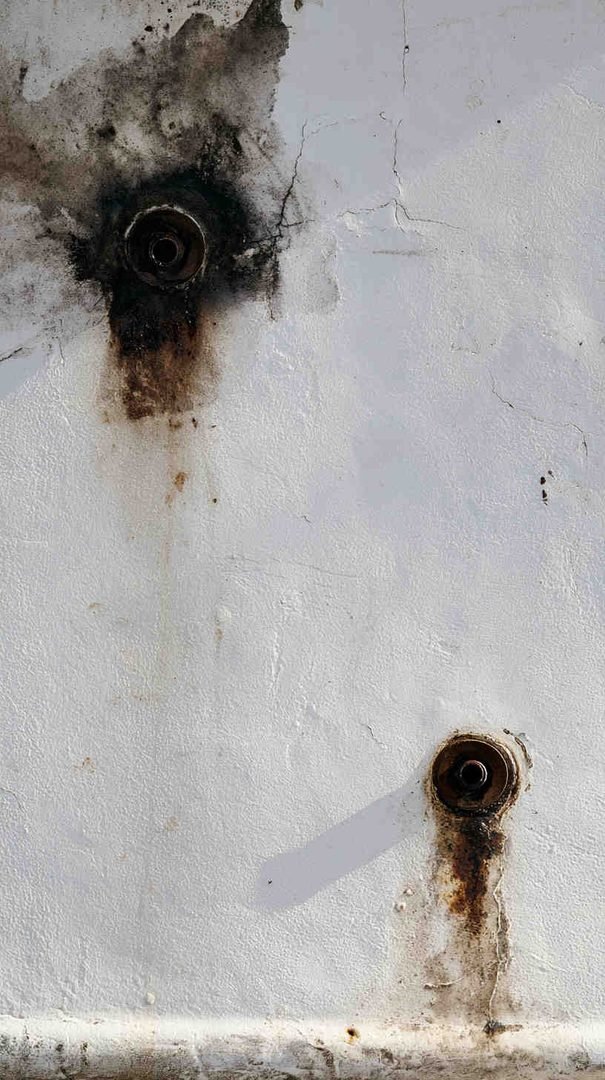
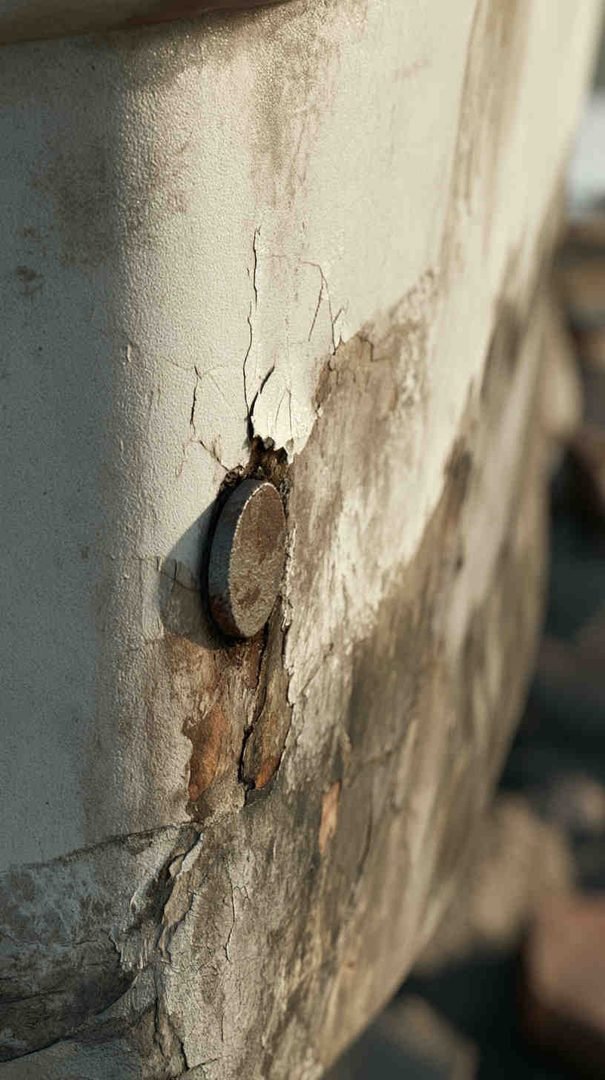
Water trapped beneath the gelcoat can cause visible blistering or bubbling on the surface, sometimes called “boat pox.” You might also notice dark staining, yellowing, or a dull, uneven look to the paint or gelcoat around the transom. These are all signs that moisture has been sitting against the fiberglass for a while, and it’s worth investigating further even if the transom still feels solid to the touch.
4. Excess Movement or Vibration From the Outboard Motor
A healthy transom should hold your outboard motor firmly in place with minimal movement. If you notice new vibration, wobble, or “give” when the motor is running, especially at higher throttle, this can point to the transom no longer providing solid backing for the mounting bolts. A rotted core simply can’t hold hardware as tightly as sound plywood can, so bolts loosen and hardware shifts even when properly torqued.




5. Water Seeping From Drilled Holes or Fittings
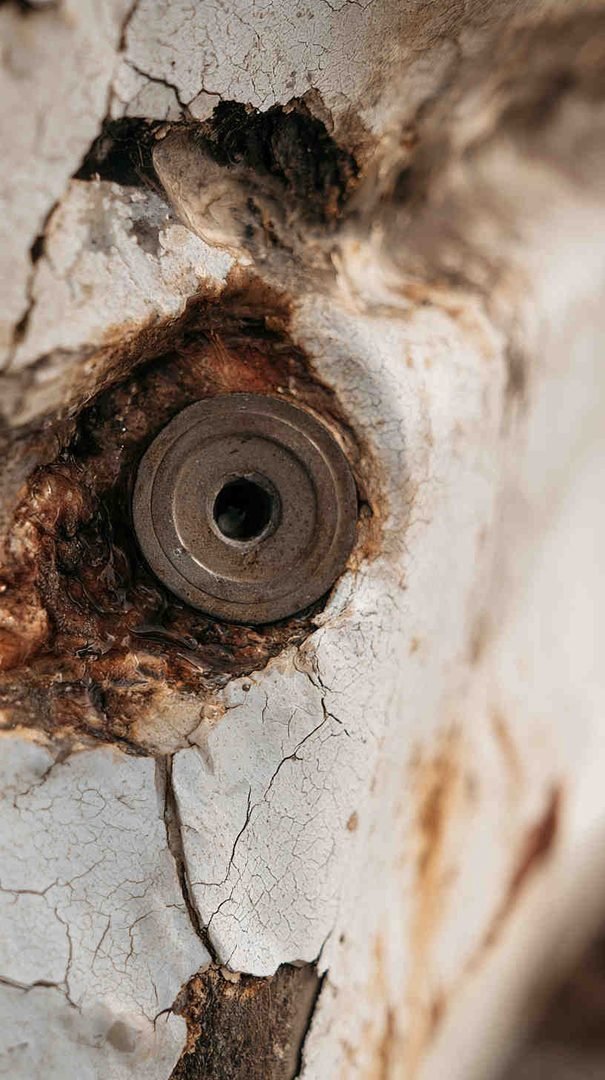
If you ever remove a screw, bolt, or fitting from the transom and notice water dripping out, discolored water, or a swampy smell, that’s about as clear a sign as you’ll get. Healthy marine plywood doesn’t hold standing water. Any moisture coming out of a hole you’ve drilled or removed hardware from is a strong signal that the core is saturated.
6. A Musty or Earthy Smell Near the Stern
Rotting wood has a distinct smell, similar to wet cardboard or damp basement air. If you notice this odor coming from around the transom, particularly after the boat has been sitting for a while, it’s worth investigating. This is especially true in enclosed compartments near the transom, like a battery box or rear storage area, where the smell can concentrate.
7. Visible Sagging or Uneven Transom Shape
In more advanced cases, you may actually be able to see the transom bowing, sagging, or sitting at a slightly different angle than it originally did. This usually means the rot has progressed significantly and the wood core has lost most of its structural integrity. At this stage, the fiberglass skin is doing most of the work holding the shape together, which isn’t something you want to rely on with an outboard motor attached.
8. Stress Cracks or Movement Around the Motor Mounting Bolts Specifically
Pay close attention to the area immediately surrounding the mounting bolts, since this is where the transom takes the most concentrated stress. Hairline cracks radiating outward from the bolts, slightly enlarged or oval-shaped bolt holes, or a feeling of the bolts “give” when you tighten them are all localized signs that rot has started right where it matters most.
Why You Shouldn’t Wait to Investigate


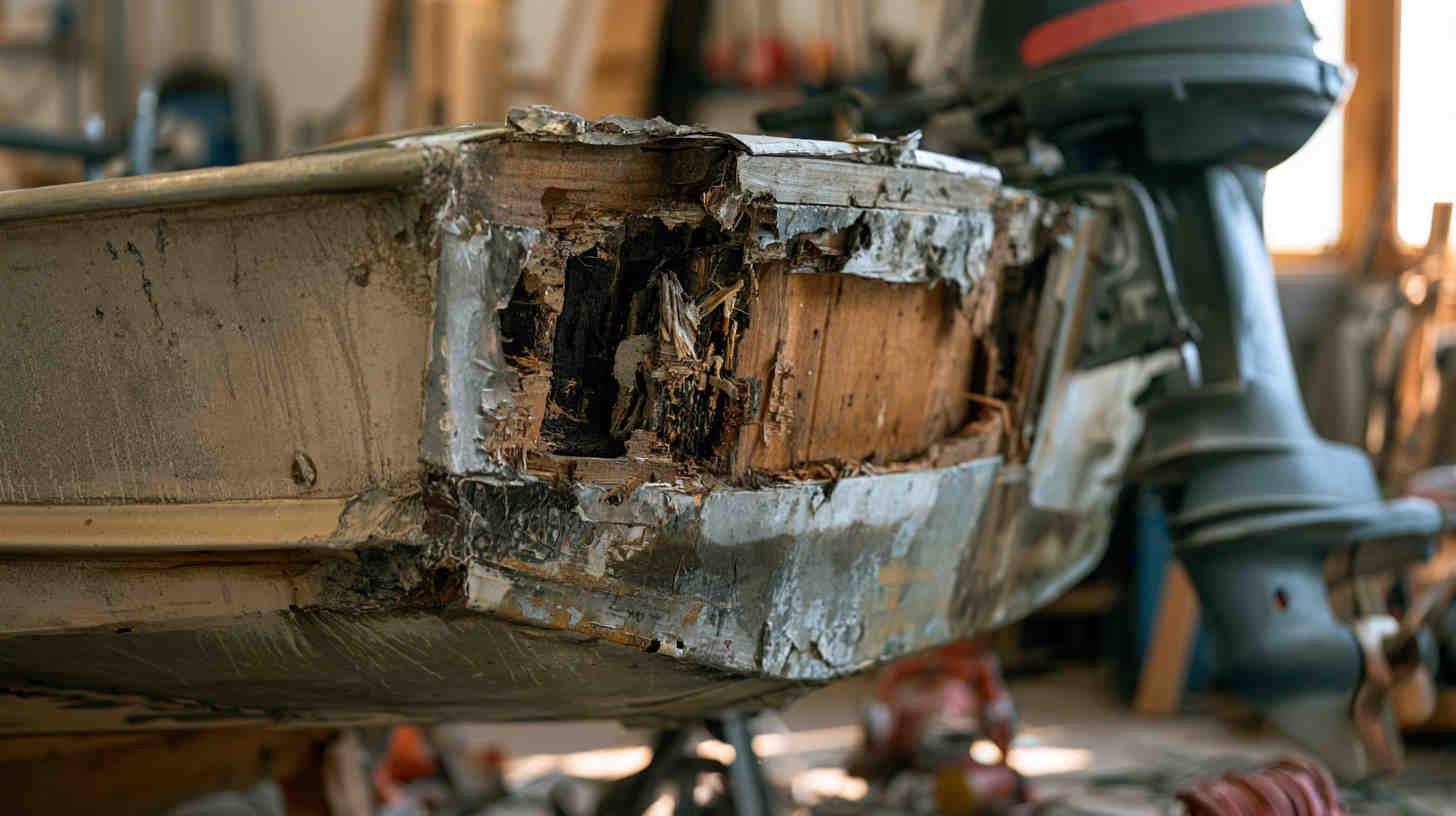
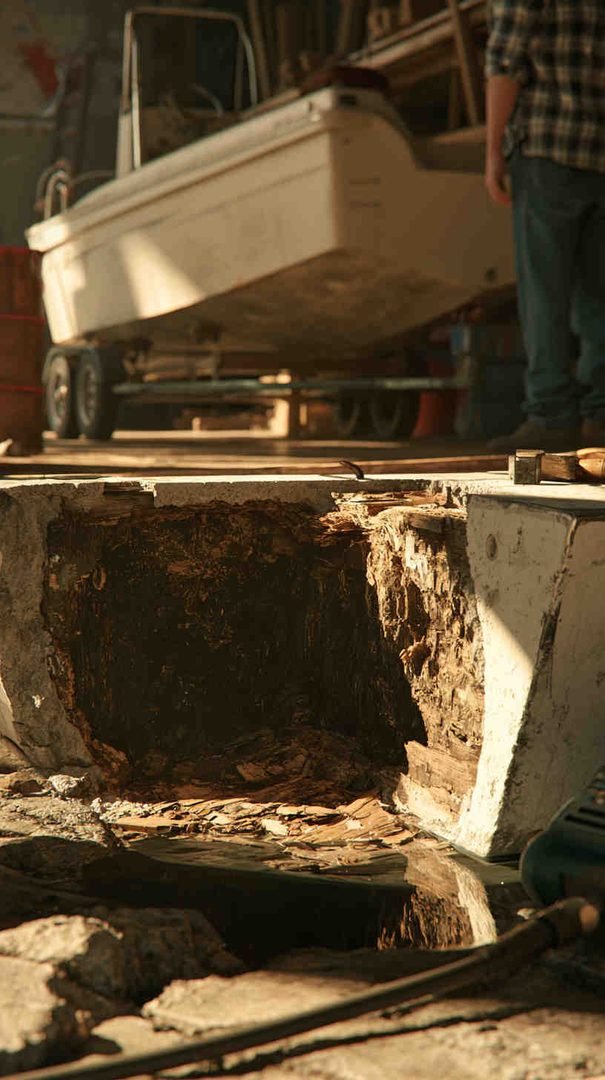

It’s tempting to put off dealing with a soft spot or a small crack, especially if the boat still runs fine. But transom rot doesn’t heal itself, and it doesn’t stay contained. Once water has access to the plywood core, the rot will continue to spread as long as moisture keeps getting in, which it usually does through the very cracks and gaps the rot itself has caused.
There’s also a safety dimension here. The transom is what keeps your outboard motor attached to the boat under load. A severely rotted transom can fail under the stress of hard acceleration, rough water, or a hard impact, which is not a situation you want to discover while you’re out on the water.
What to Do If You Suspect Transom Rot
If you notice one or more of the signs above, the next step is a more thorough inspection. A moisture meter designed for marine use can measure moisture levels inside the fiberglass without you having to drill or cut into the transom, giving you a much clearer picture of how far the rot has spread. Tapping the transom with a small mallet and listening for a dull, muted sound versus a solid, sharp sound is another classic technique experienced boat owners use to map out soft areas.
Catching the problem early, when it’s limited to a small area, generally means a simpler and less expensive repair. Waiting until the transom is visibly sagging or the motor is loose usually means a full transom replacement, which is a much bigger job.
Final Thoughts





Your transom works hard every time you’re on the water, absorbing the constant force of your outboard motor while staying largely out of sight. That combination of heavy stress and low visibility is exactly why small boat owners need to check it regularly. Learning to recognize soft spots, cracking, discoloration, unusual smells, and motor movement early on gives you the best chance of catching rot before it becomes a major structural or safety issue. A few minutes of hands-on inspection each season is a small price to pay for staying ahead of a problem that only gets worse with time.
Happy Boating!
Share Small boat owners signs your transom is starting to rot with your friends and leave a comment below with your thoughts.
Read Marine canvas care preventing mildew without harsh chemicals until we meet in the next article.