If you own a boat, you already know that marine canvas — biminis, dodgers, cockpit covers, sail covers, and enclosures — takes a beating. Sun, salt spray, humidity, and long stretches of storage all create the perfect breeding ground for mildew. That fuzzy, dark staining isn’t just unsightly; left untreated, it weakens fibers, breaks down waterproof coatings, and shortens the life of canvas that often costs hundreds or even thousands of dollars to replace.
The good news is that you don’t need bleach or aggressive chemical cleaners to keep marine canvas mildew-free. In fact, harsh chemicals often do more harm than good, stripping protective finishes and accelerating fabric breakdown. With the right routine, natural cleaning solutions, and a few smart habits, you can protect your investment and keep your canvas looking sharp for years.


Why Marine Canvas Is So Prone to Mildew
Mildew is a type of mold that thrives in warm, damp, and poorly ventilated conditions — exactly the environment marine canvas often faces. A few key factors make boat covers and enclosures especially vulnerable:
- Constant moisture exposure. Rain, dew, and sea spray keep canvas damp for extended periods, especially if it isn’t allowed to dry fully between uses.
- Salt residue. Salt is hygroscopic, meaning it attracts and holds moisture from the air. Canvas left with salt buildup stays damp even on dry days, giving mildew spores exactly what they need to grow.
- Poor airflow. Canvas that’s folded, covered, or stored while still damp traps moisture against the fabric, creating a humid microclimate.
- Organic debris. Pollen, dust, bird droppings, and tree sap all provide organic material that mildew spores can feed on.
- Warm climates and storage. Boats kept in marinas or covered storage in warm, humid regions face near-constant mildew pressure, especially during off-season lay-up.
Understanding these triggers is the first step to prevention — because stopping mildew before it starts is far easier than removing it once it has taken hold.
Why Skip the Harsh Chemicals?
Bleach, ammonia-based cleaners, and other harsh chemical treatments are common go-to solutions, but they come with real downsides for marine canvas:
- They break down waterproof coatings. Most marine canvas fabrics (like Sunbrella or similar acrylics) have a factory-applied water-repellent finish. Bleach and strong solvents strip this coating, making the fabric more absorbent and, ironically, more prone to future mildew growth.
- They weaken fibers over time. Repeated exposure to strong chemicals causes threads to become brittle, leading to tears, fraying, and premature fabric failure.
- They can discolor canvas. Bleach in particular can cause blotchy fading or yellowing, especially on darker or patterned fabrics.
- They’re harsh on the environment. Rinsing bleach or ammonia off your boat sends it directly into marinas, lakes, and coastal waters, where it can harm aquatic life.
- They can irritate skin and lungs. Working with strong chemical cleaners in an open-air setting still exposes you to fumes and skin contact, especially in enclosed cockpit spaces.
Fortunately, gentler alternatives are just as effective when used consistently — and they won’t compromise the fabric’s protective coating.



Gentle, Effective Ways to Prevent Mildew
1. Keep Canvas Clean and Free of Organic Buildup
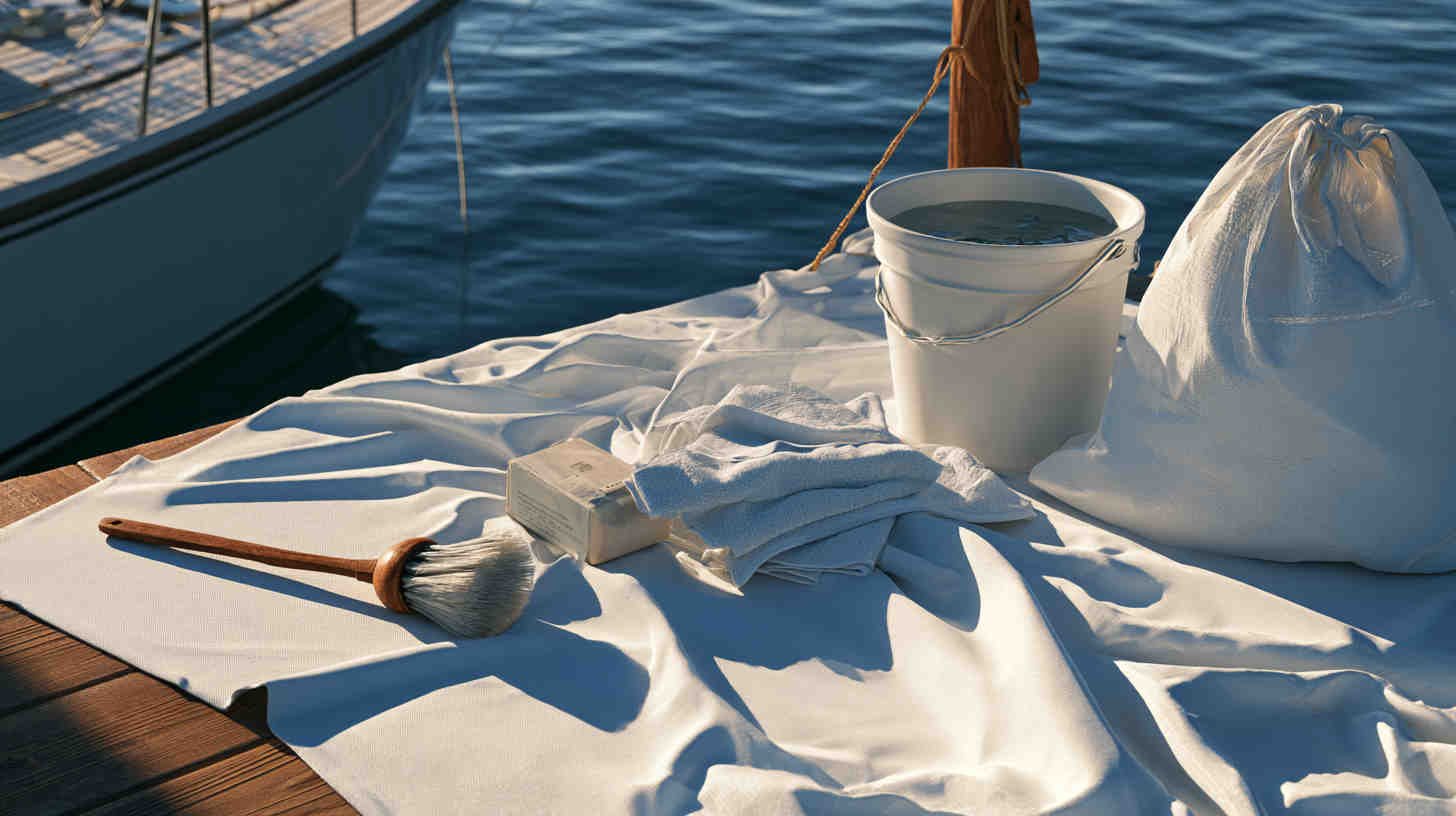
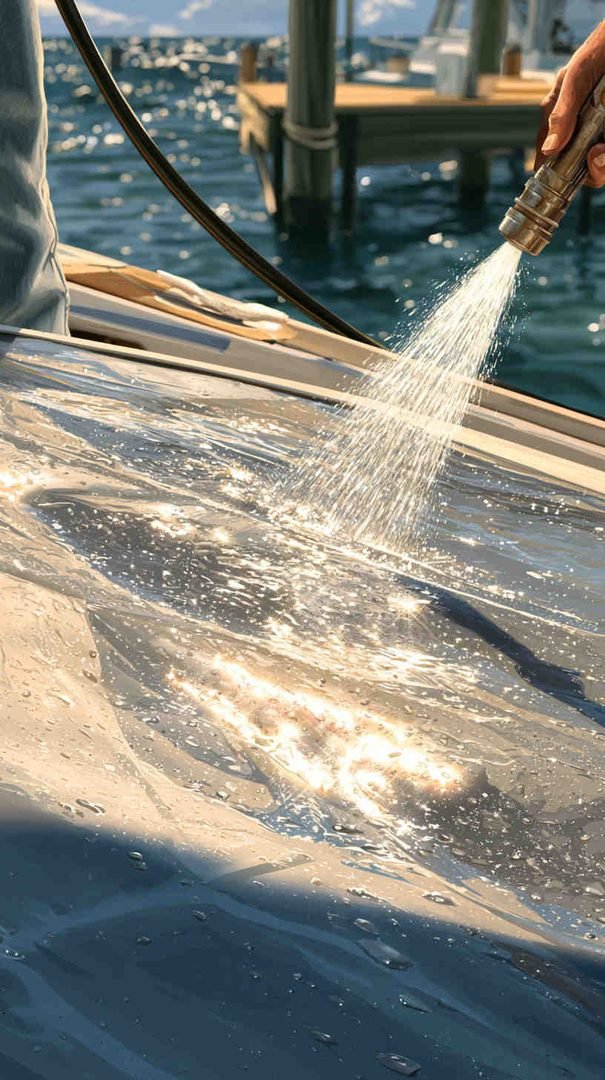
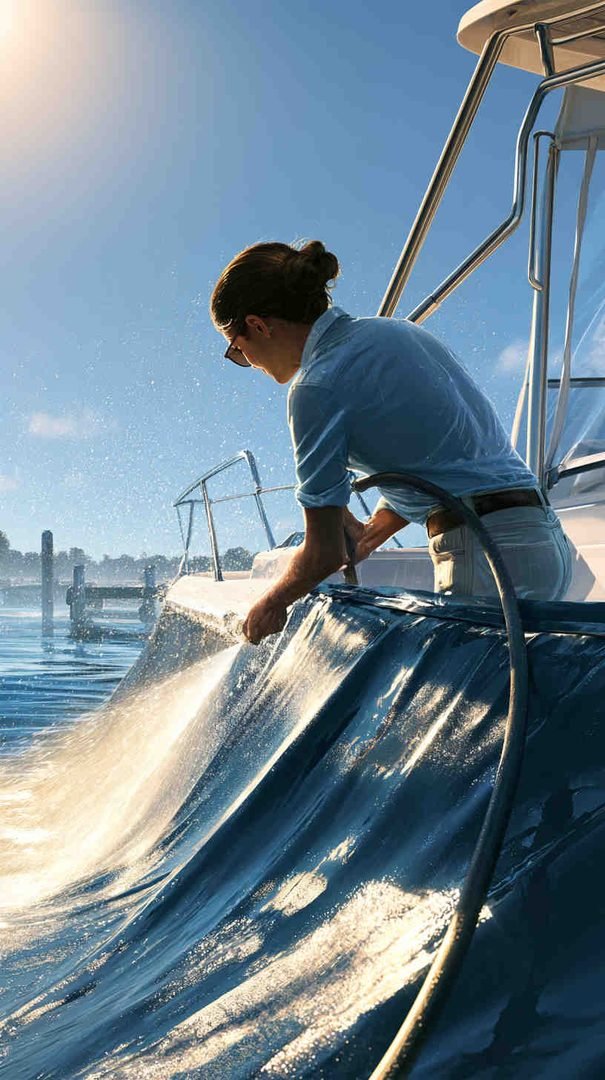
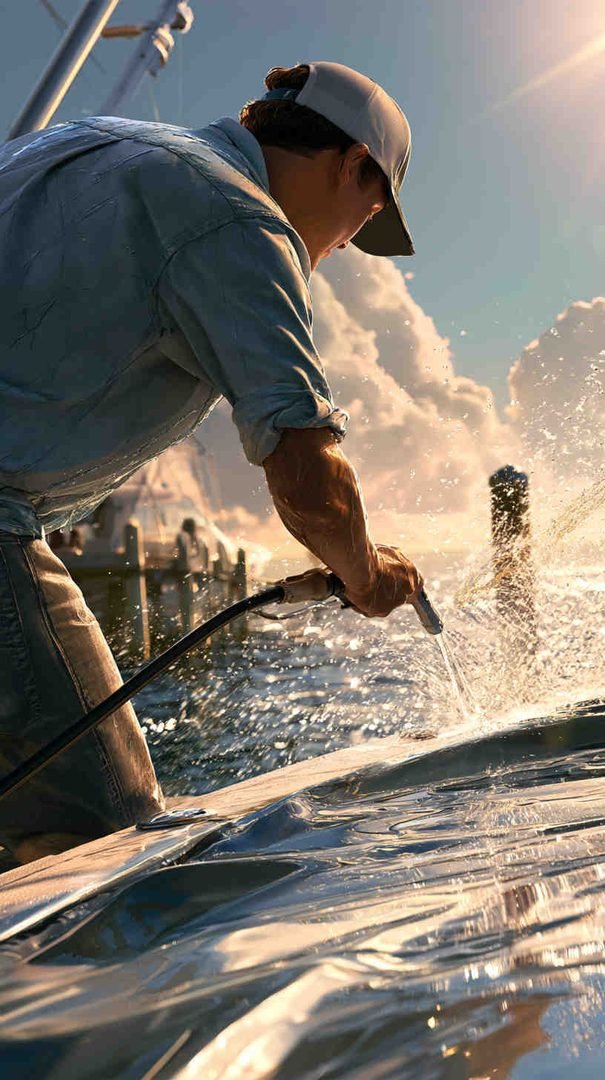
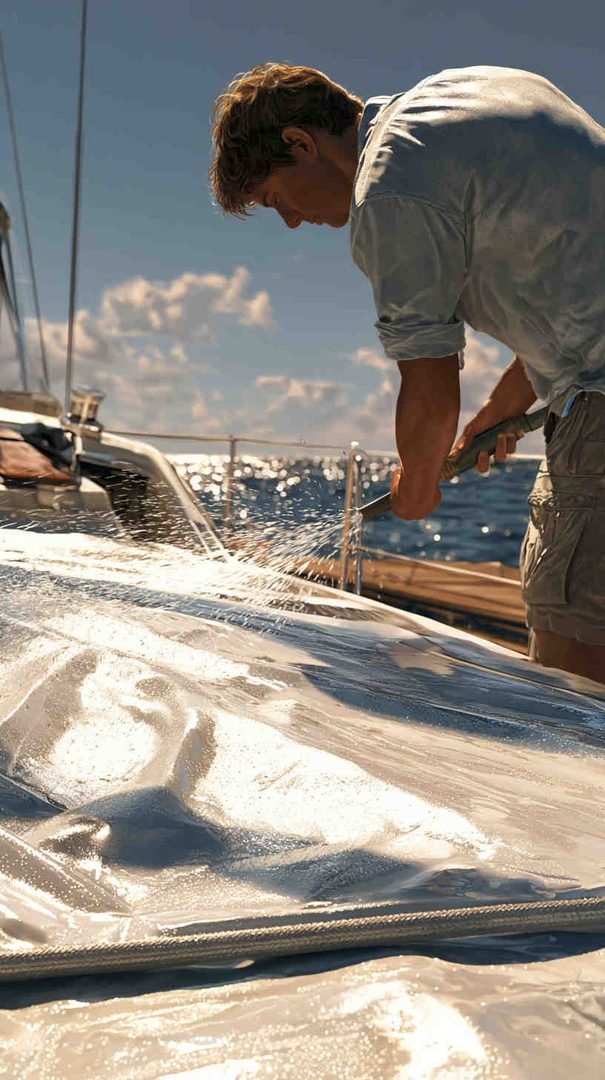
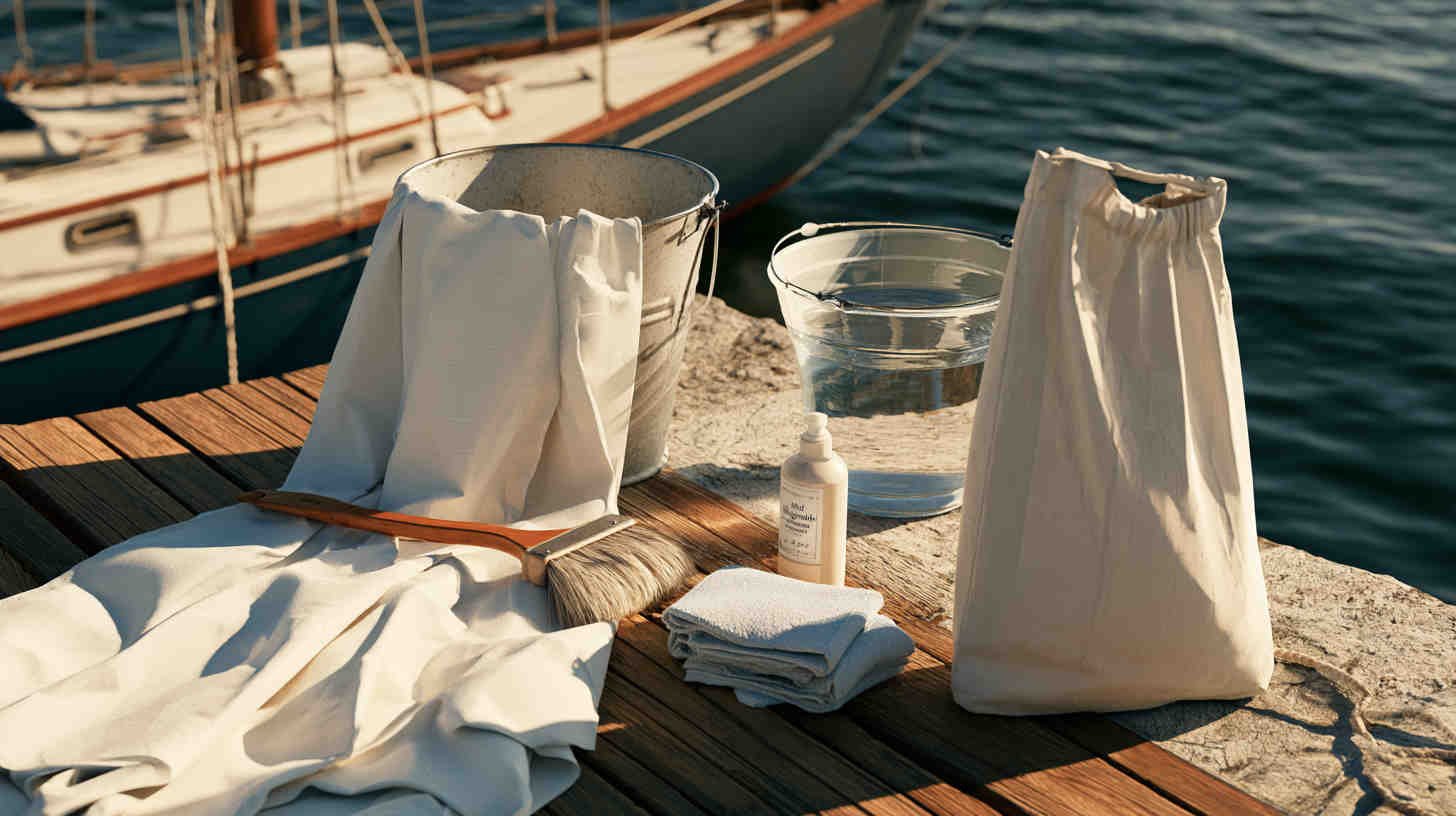
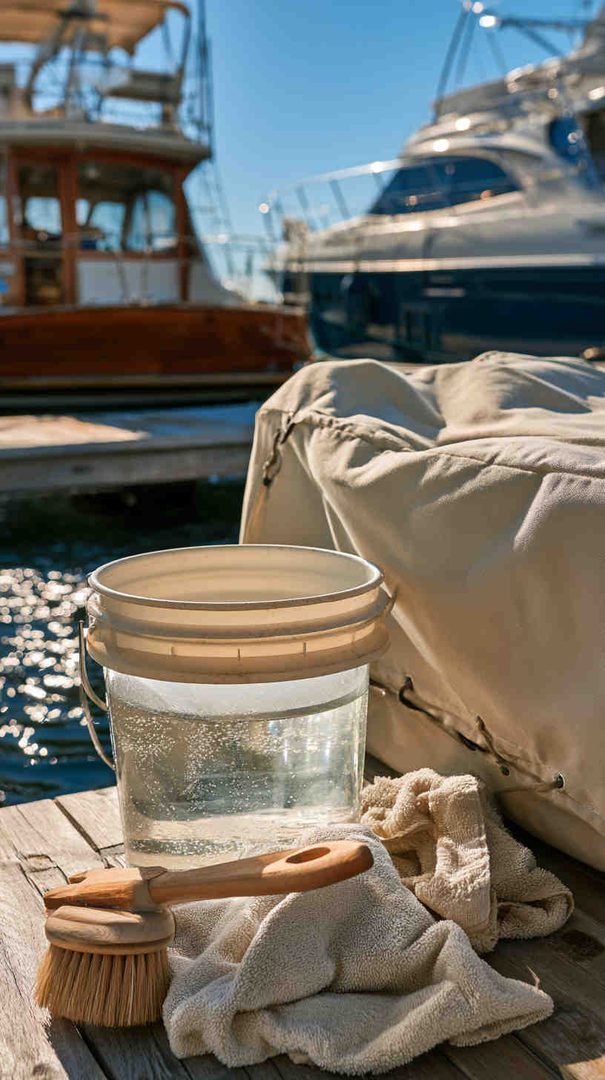
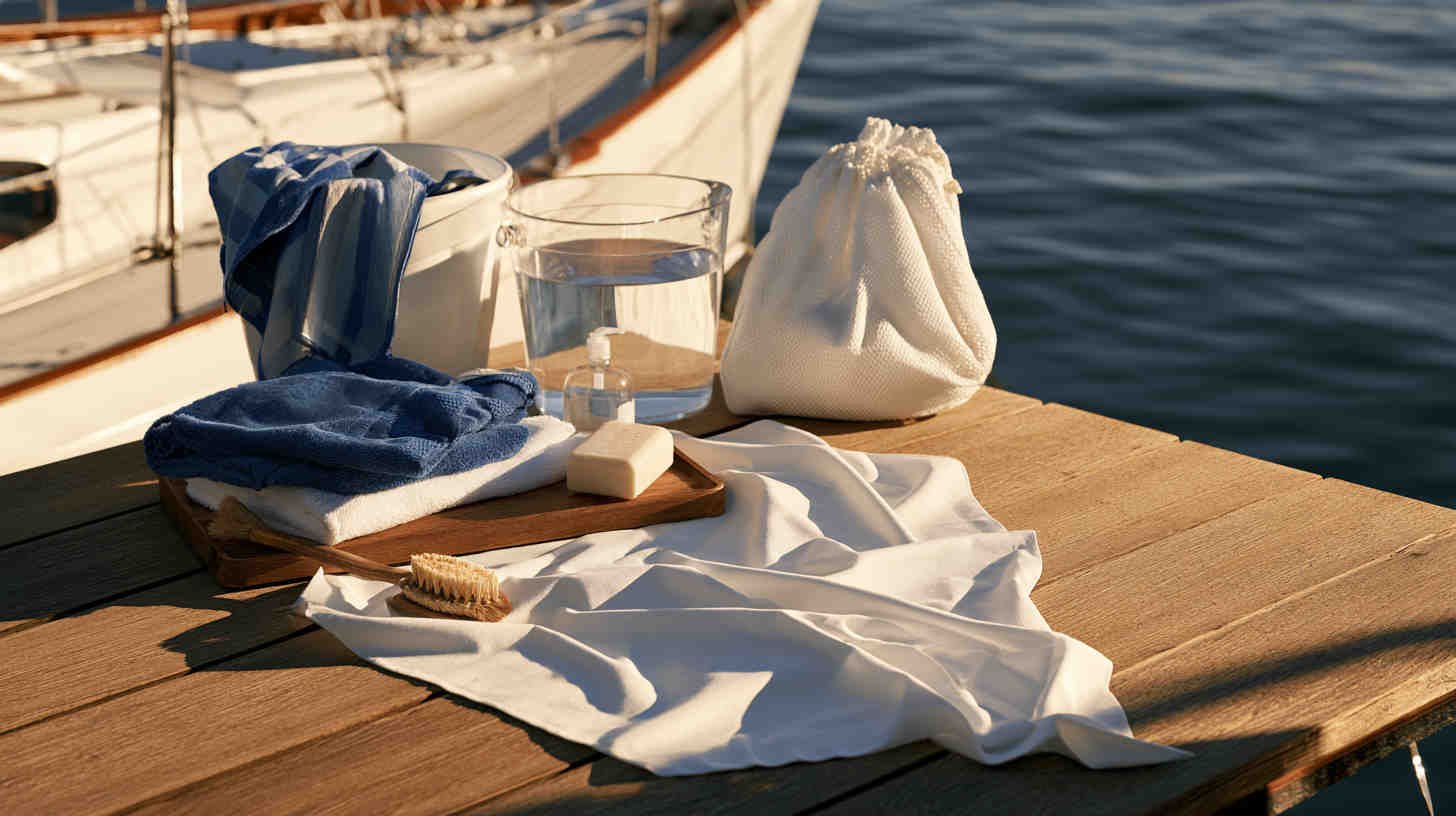
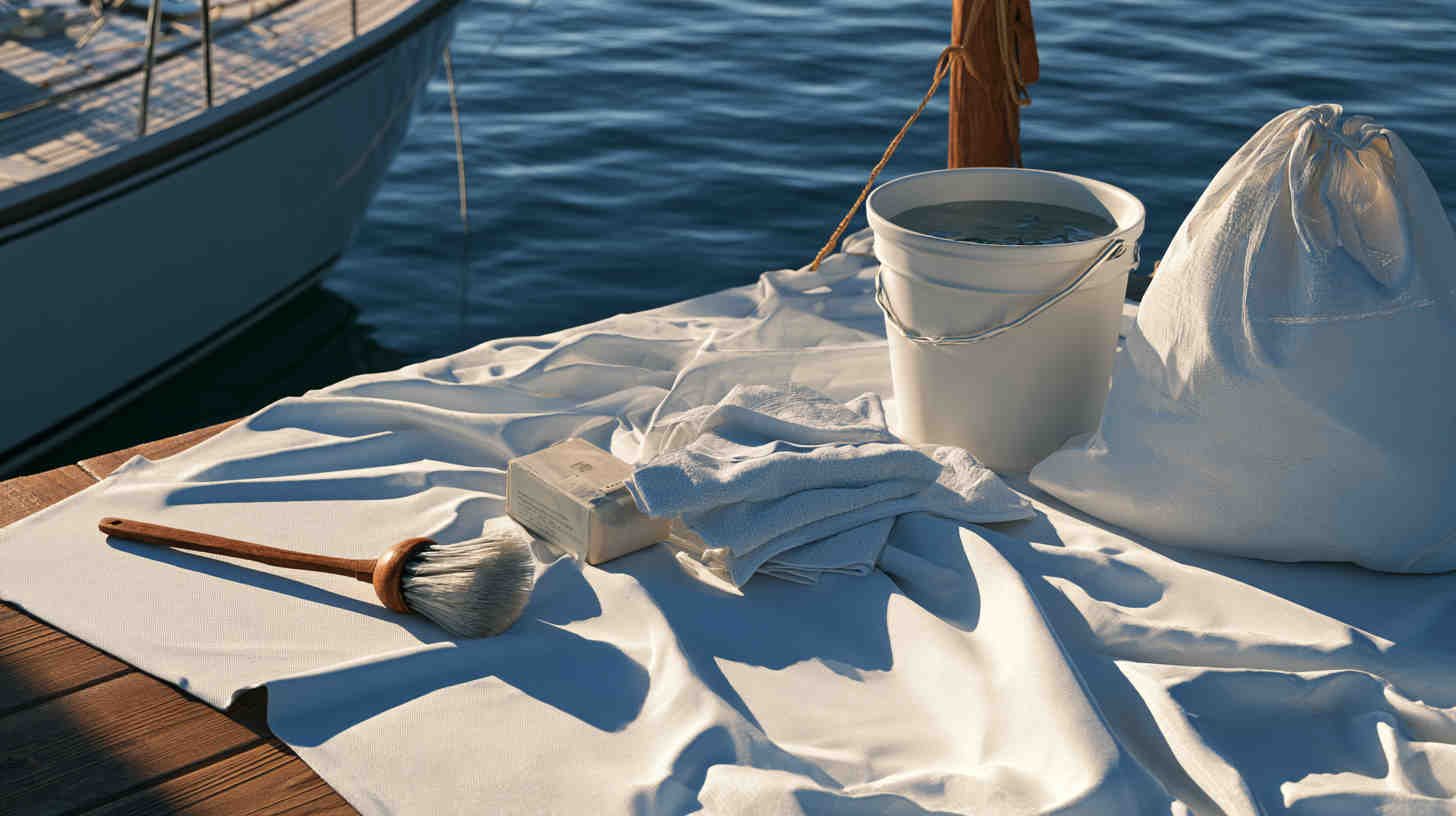
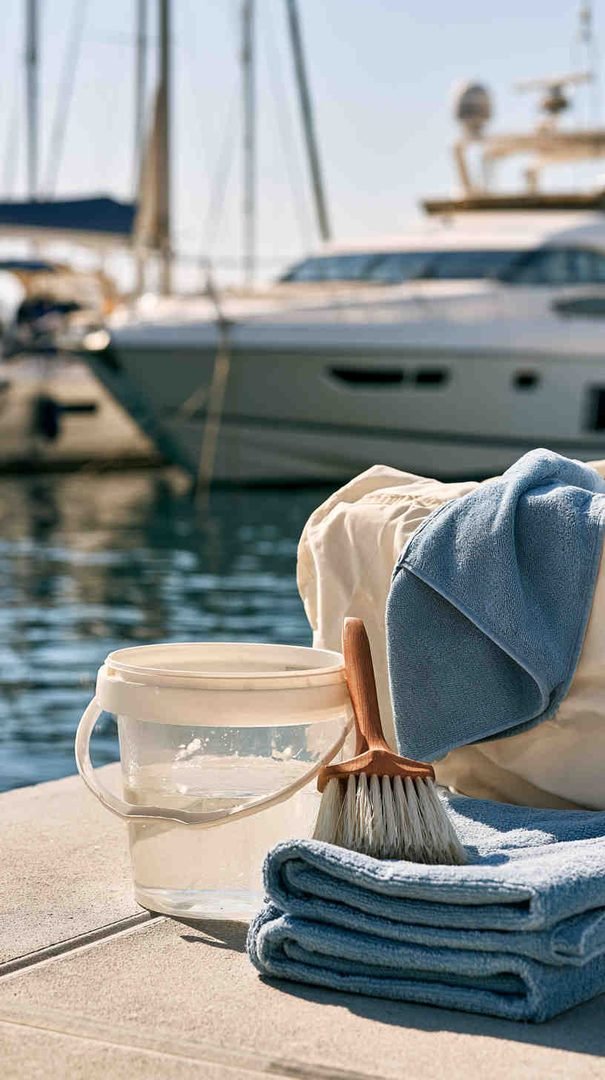
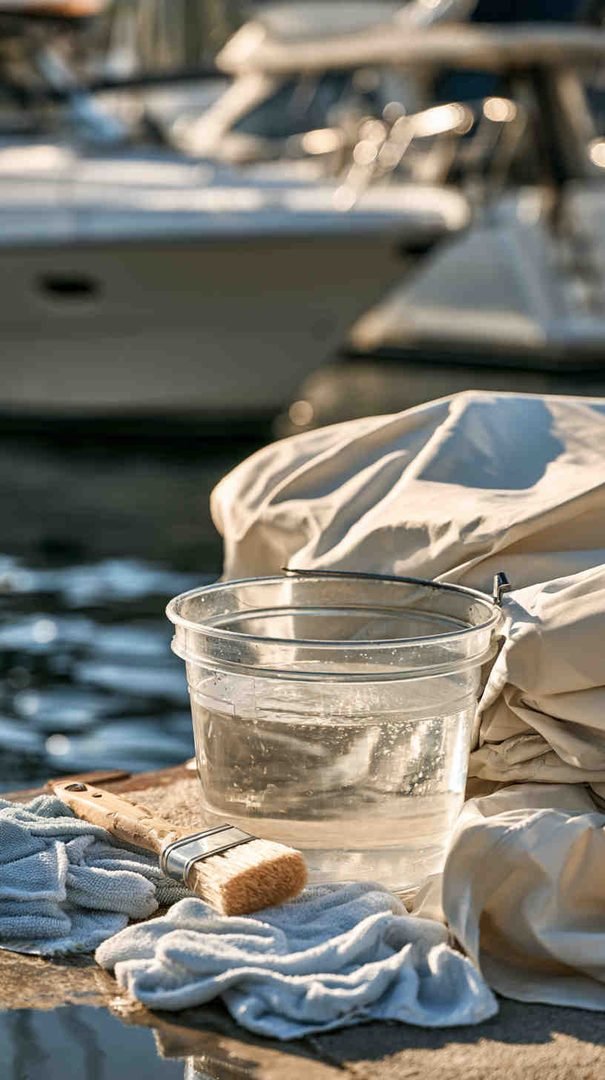
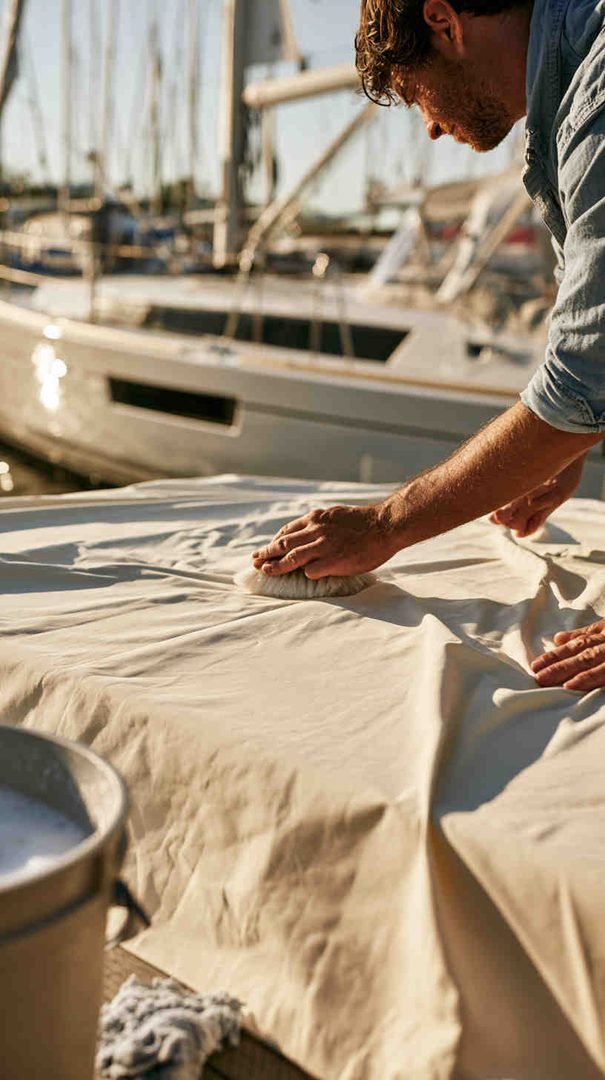
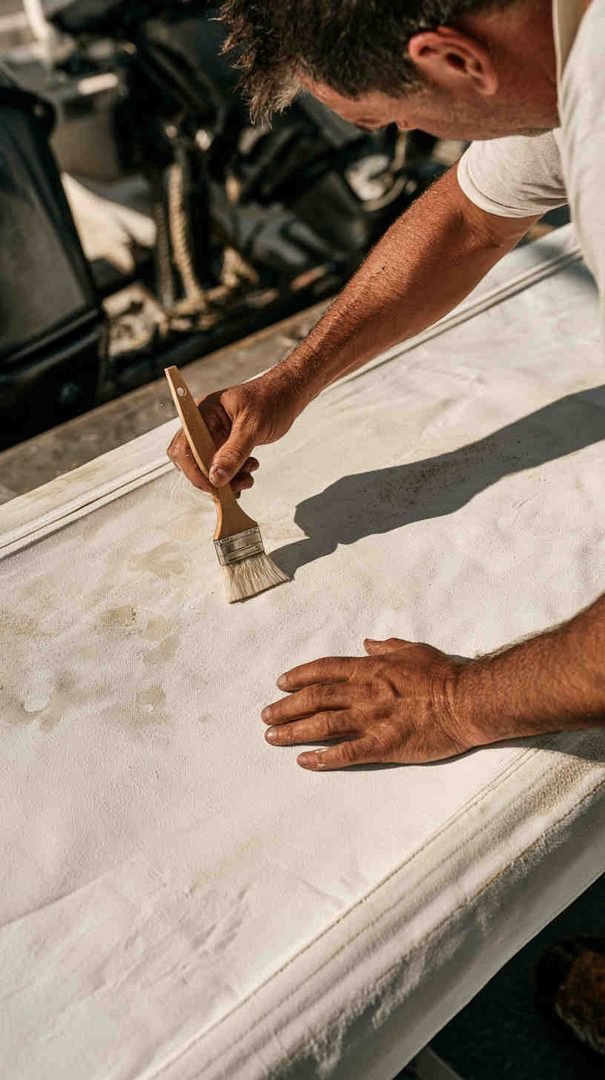
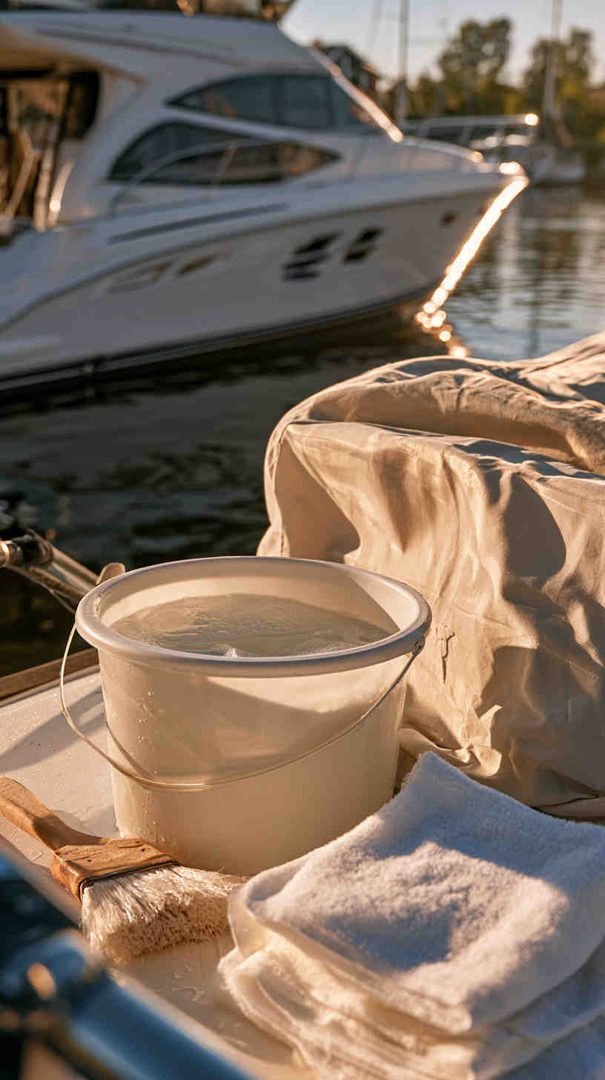
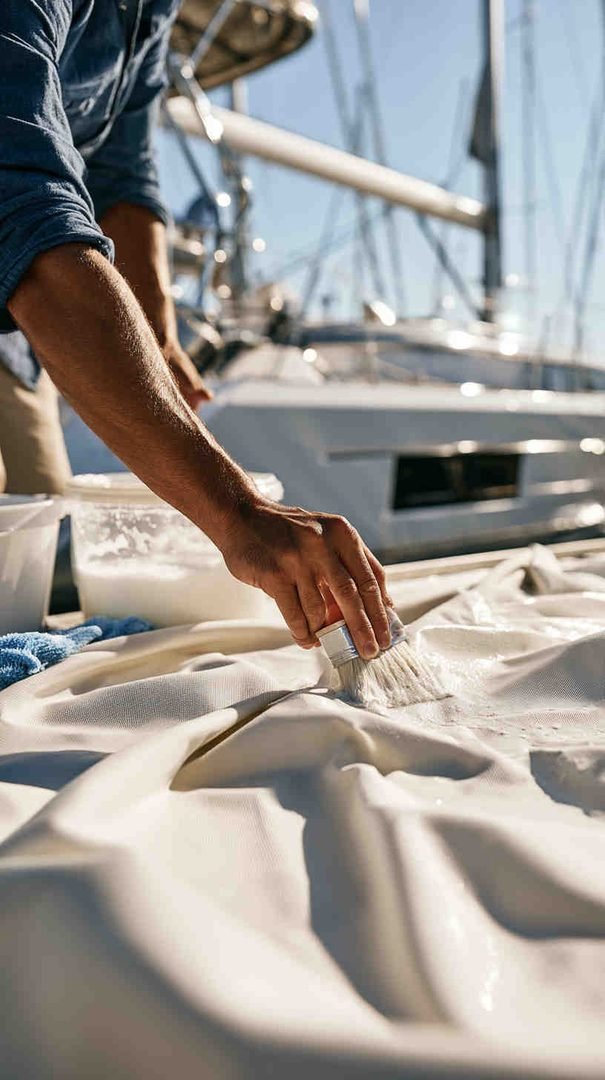
Mildew needs food to grow, and dirt, pollen, and salt film are exactly that. A simple routine of rinsing canvas with fresh water after each outing removes salt and surface grime before it has a chance to settle in. For a deeper clean, use a soft-bristle brush with a mild soap solution — a few drops of dish soap or a dedicated marine fabric cleaner diluted in a bucket of water works well. Scrub gently in a circular motion, then rinse thoroughly, since leftover soap residue can attract dirt and moisture just as much as the grime you removed.
2. Use a Vinegar Solution for Light Mildew Spots
White vinegar is a natural, mild acid that disrupts mildew growth without damaging fabric coatings. Mix equal parts white vinegar and water in a spray bottle, apply it to affected areas, and let it sit for 15–20 minutes before scrubbing gently with a soft brush. Rinse well with fresh water afterward. This method is particularly effective for early-stage mildew spots and routine maintenance cleaning.
3. Try Baking Soda for Stubborn Stains
For mildew that’s a bit more established, a baking soda paste can help lift stains without harsh scrubbing. Combine baking soda with a small amount of water to form a thick paste, apply it directly to the stained area, and let it sit for about 30 minutes before working it in with a soft brush and rinsing clean. Baking soda is mildly abrasive and alkaline, which helps break down mildew residue while being safe for most canvas finishes.
4. Let the Sun Do Some of the Work
Sunlight is a natural mildew deterrent, largely because UV rays kill mold spores and dry out damp fabric. After cleaning, allow canvas to air-dry fully in direct sunlight whenever possible before folding, storing, or covering it. This single habit — never packing away damp canvas — is one of the most effective mildew-prevention steps a boat owner can take.

5. Improve Airflow During Storage
Even clean, dry canvas can develop mildew if it’s stored in a sealed, humid space. When storing biminis, covers, or enclosures for the season:
- Fold canvas loosely rather than tightly to allow air circulation.
- Store in a dry, ventilated area rather than a sealed plastic bin.
- Use breathable storage bags instead of airtight plastic ones.
- Periodically check stored canvas during long lay-up periods and re-air it if humidity is high.
6. Reapply a Water-Repellent Treatment
Over time, factory water-repellent finishes wear down from UV exposure and repeated cleaning. Reapplying a fabric-safe, silicone- or fluoropolymer-based water repellent (following the manufacturer’s application instructions) helps water bead and roll off rather than soak in, which significantly reduces the moisture retention that mildew depends on. This is typically done once or twice a season, depending on use and climate.
7. Address Small Problem Areas Immediately
Mildew spreads through spores, so a small spot left untreated can become a much larger problem within weeks. Inspect canvas regularly — especially seams, folds, and shaded areas where moisture lingers longest — and treat any discoloration as soon as you notice it using the vinegar or baking soda methods above.
A Simple Maintenance Routine to Follow
To keep marine canvas mildew-free without relying on chemicals, a consistent rhythm matters more than any single product. A practical routine looks like this:
- After every outing: Rinse with fresh water and allow to fully dry before covering or folding.
- Every 2–4 weeks during boating season: Wash with a mild soap solution, scrubbing lightly with a soft brush, then rinse and air-dry.
- Monthly or as needed: Spot-treat any visible mildew with a vinegar or baking soda solution.
- Twice a season: Reapply a water-repellent treatment to restore the fabric’s protective finish.
- Before long-term storage: Deep clean, ensure the canvas is bone-dry, and store loosely folded in a ventilated space.
Final Thoughts
Marine canvas doesn’t have to fall victim to mildew, and you don’t need bleach or aggressive chemical cleaners to keep it looking and performing its best. The real key is moisture control — rinsing away salt and grime regularly, drying canvas fully before storage, and giving it proper airflow when it’s not in use. Combined with gentle, natural treatments like vinegar and baking soda for the occasional spot, this approach protects both the fabric and its waterproof coating, extending the life of your investment while keeping your boat looking its best season after season.
A little consistency goes a long way. Build these habits into your regular boat care, and mildew will have a much harder time finding a foothold on your canvas.
Happy Boating!
Share Marine canvas care preventing mildew without harsh chemicals with your friends and leave a comment below with your thoughts.
Read How to tell if your boat’s gelcoat is beyond a diy fix until we meet in the next article.