
Most boat owners think of zinc anodes as one of those small, forgettable parts — a cheap chunk of metal bolted to the hull, propeller, or engine that nobody really thinks about until something goes wrong. But that small oversight is exactly why so many boat owners end up facing repair bills that are ten, twenty, even fifty times the cost of the anode itself. Skipping a seasonal zinc anode check doesn’t just risk a little surface corrosion. It quietly sets the stage for damage to your propeller shaft, outdrive, engine block, and electrical systems — the kind of damage that shows up months later, usually at the worst possible time.
This guide breaks down exactly what zinc anodes do, why they wear out faster than most owners expect, and what it actually costs — in money, time, and stress — when they’re ignored.
What Zinc Anodes Actually Do
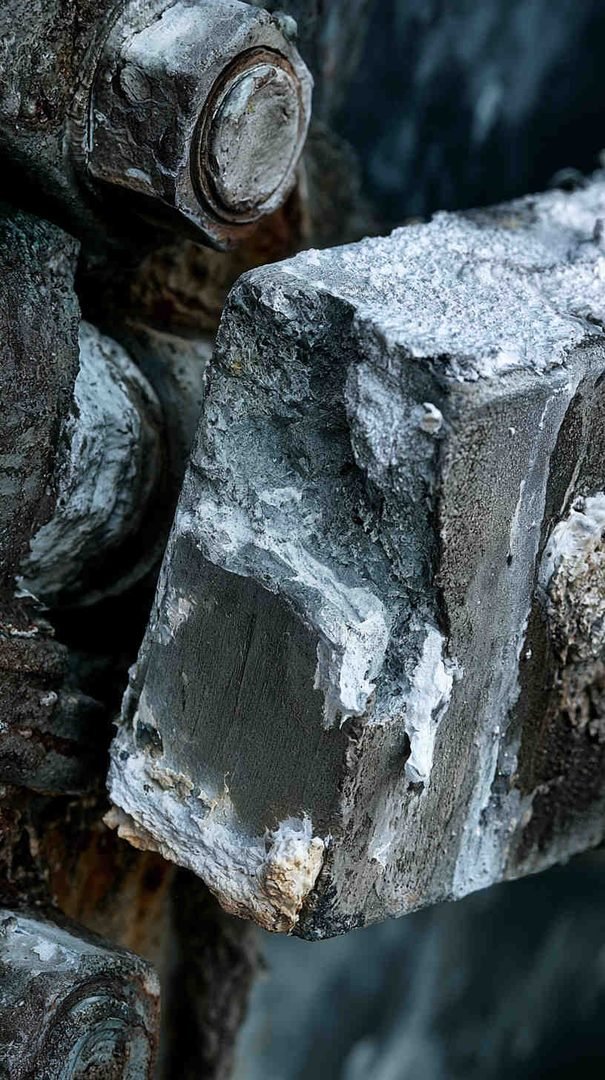
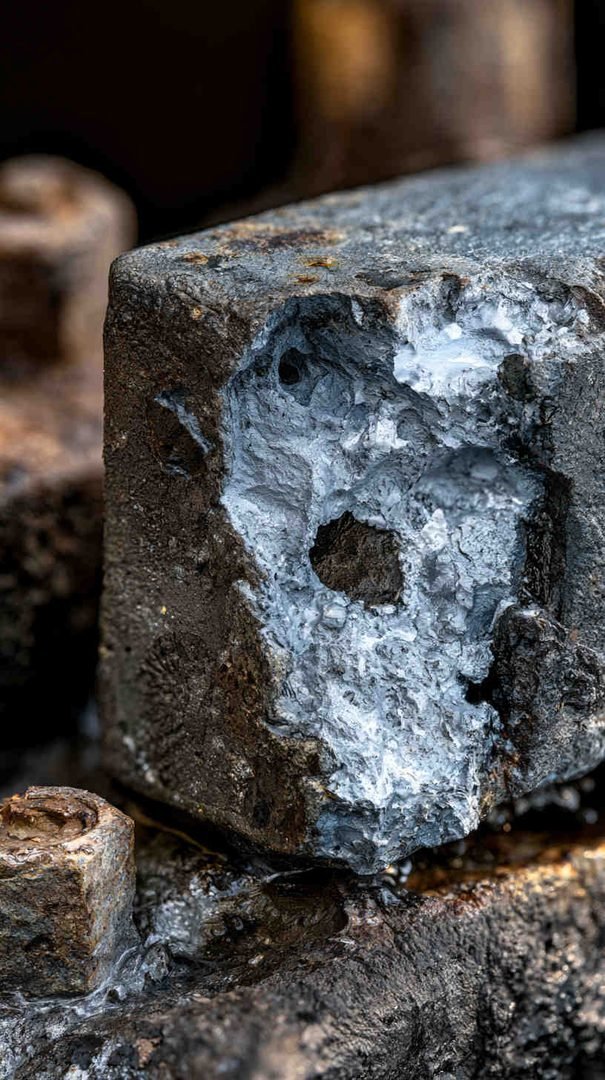
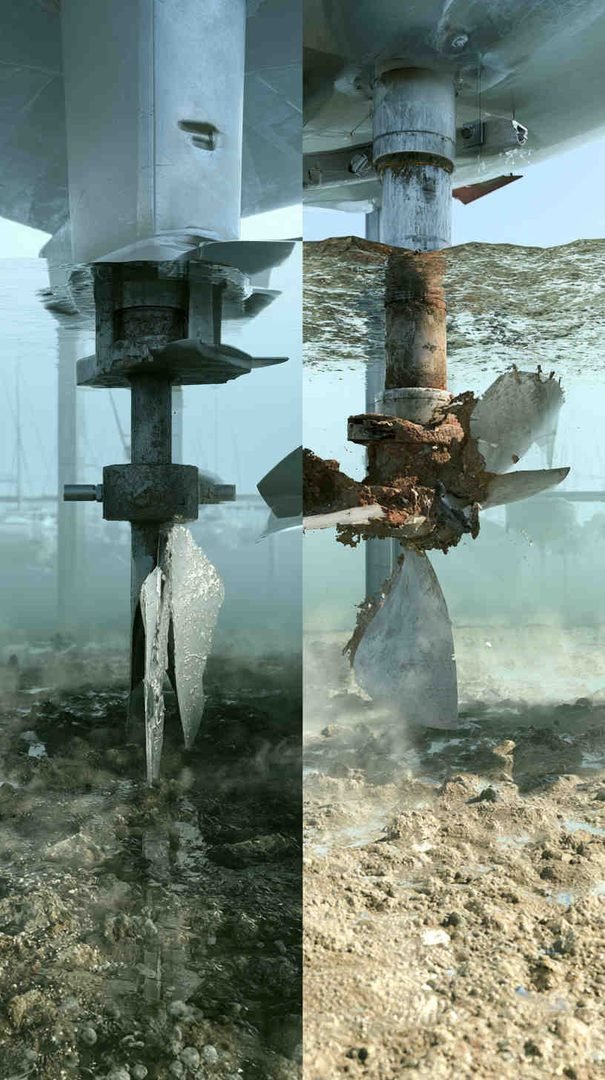
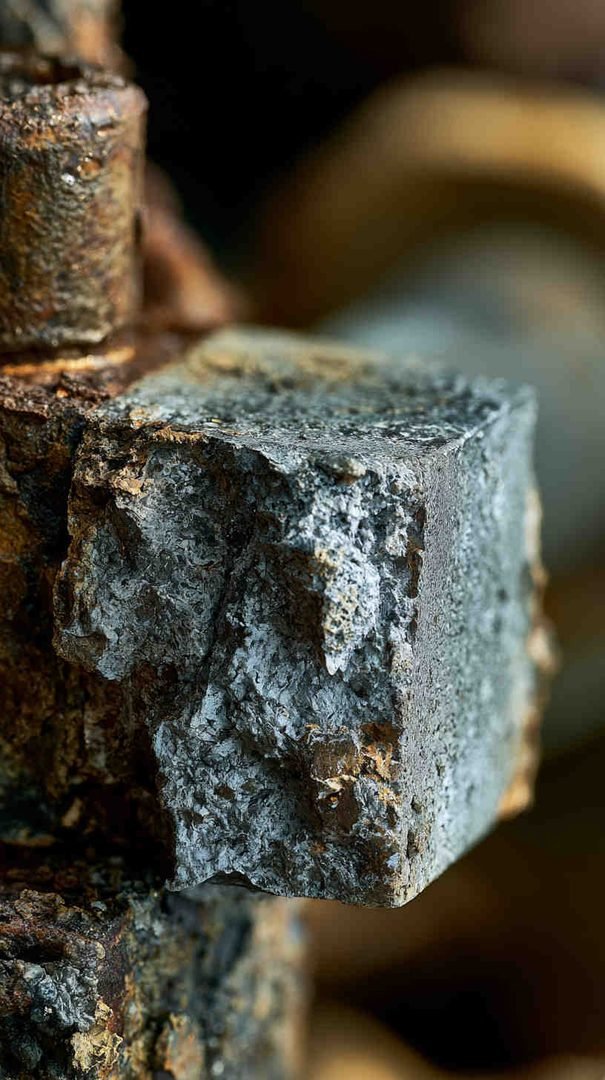
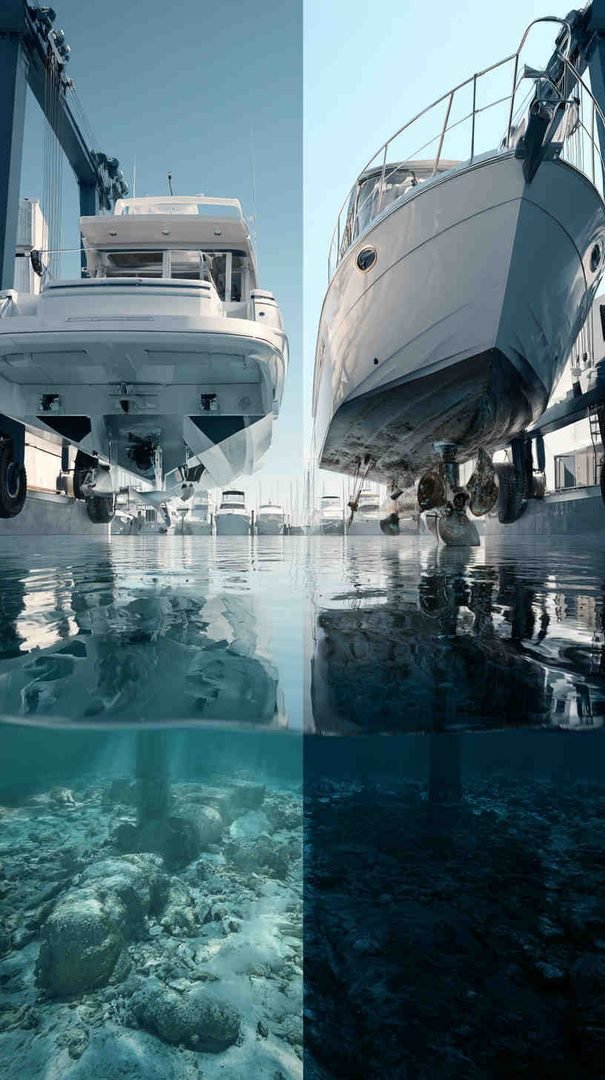
Every boat that spends time in water is sitting in a giant electrolyte bath. When you combine saltwater (or even brackish and fresh water, to a lesser degree) with different metals on your boat — stainless steel props, bronze fittings, aluminum outdrives, steel fasteners — you create the conditions for galvanic corrosion. Essentially, one metal becomes the anode and slowly dissolves to protect the other, more “noble” metals around it.
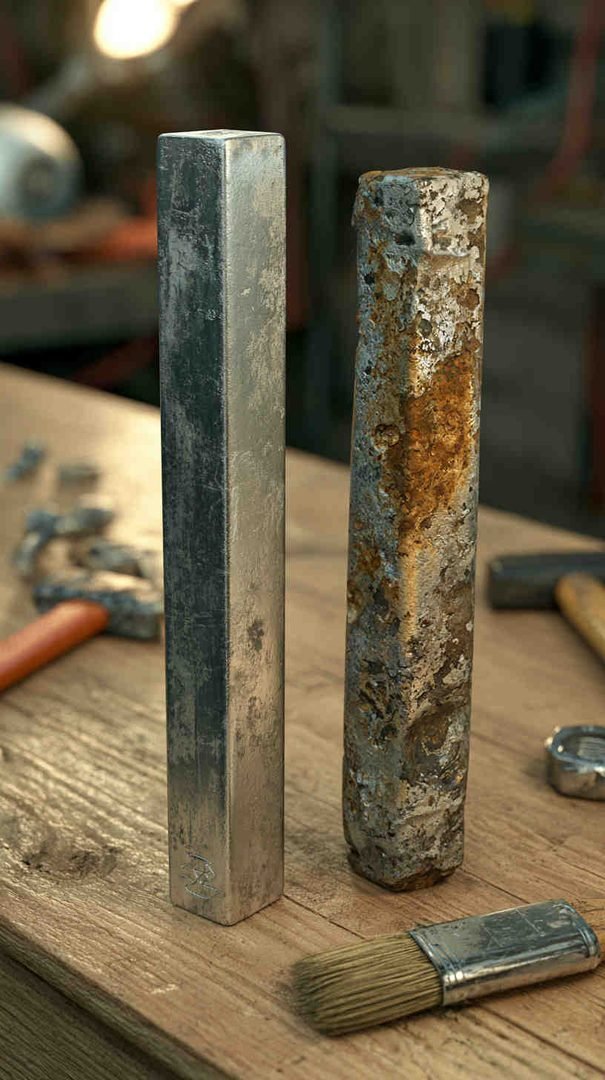
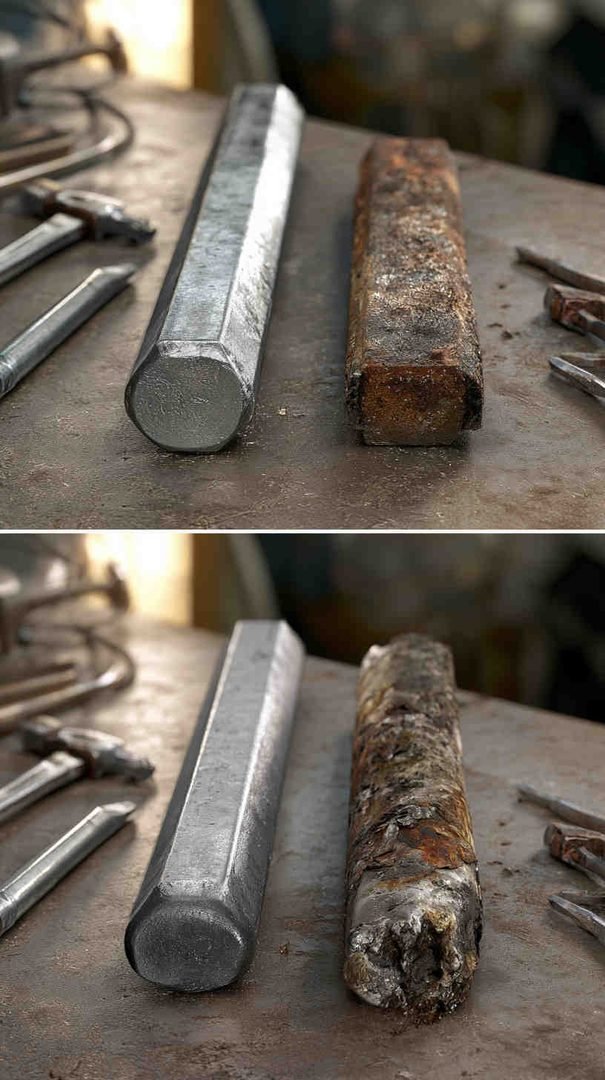
A zinc anode is a sacrificial piece of metal deliberately attached to your boat so that it takes the corrosive hit instead of your expensive components. It’s designed to corrode. That’s its entire job. As long as the zinc is present and making good electrical contact with the metal it’s protecting, your propeller, shaft, rudder, and drive components stay safe.
The problem starts the moment that zinc anode is used up — or worse, was never properly inspected in the first place.
Why “Every Season” Matters More Than People Think
A lot of boat owners assume anodes last a full year, or that they’ll simply “notice” when one needs replacing. In reality, the rate of anode wear depends on several factors that change season to season:
- Water temperature – warmer water speeds up the electrochemical reaction, so anodes often wear faster in summer months.
- Salinity – boats in saltwater lose anode material significantly faster than those in freshwater.
- Marina electrical environment – stray electrical current from nearby boats, shore power connections, or faulty wiring can accelerate corrosion dramatically, sometimes eating through an anode in weeks instead of months.
- Boat usage – a boat that sits idle at a dock corrodes differently than one that’s actively run, since moving water and vibration affect how evenly the anode wears.
Because these conditions shift with the seasons, an anode that looked perfectly fine in spring can be completely gone by late summer. That’s why a single annual glance isn’t enough — a proper seasonal check, ideally every two to three months during active use, is what actually keeps the system protected.
The Hidden Costs Nobody Warns You About
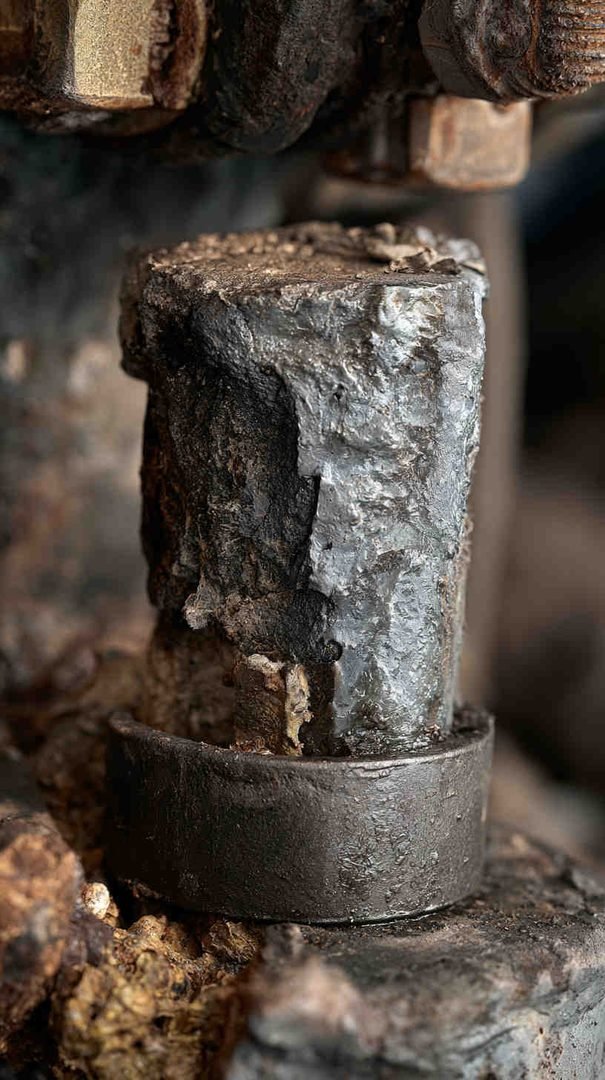
This is where the real damage happens — not in the anode itself, but in everything it was protecting.
1. Propeller and Shaft Corrosion
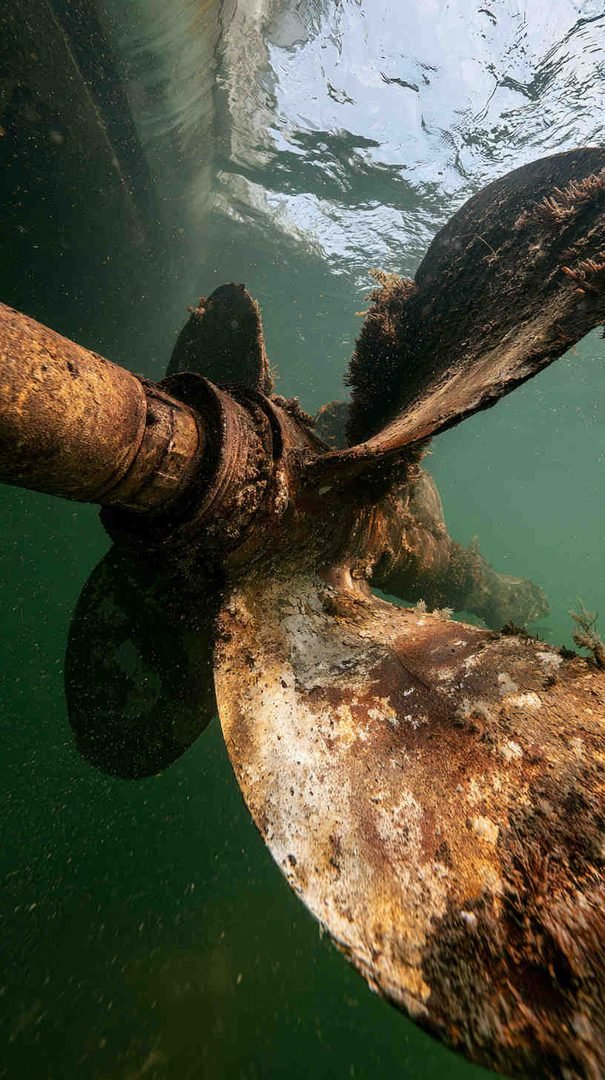
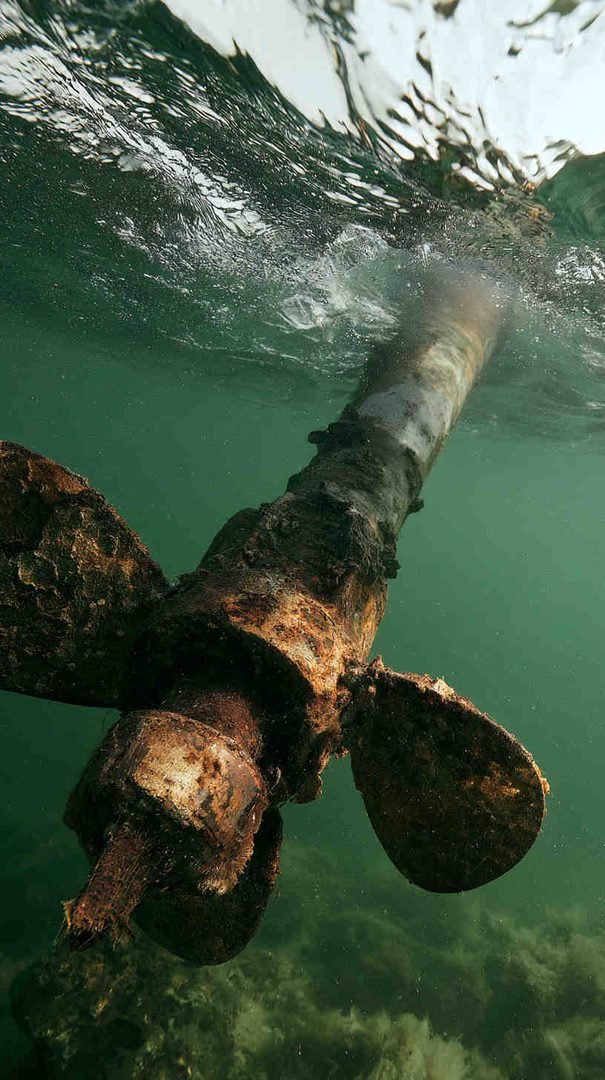
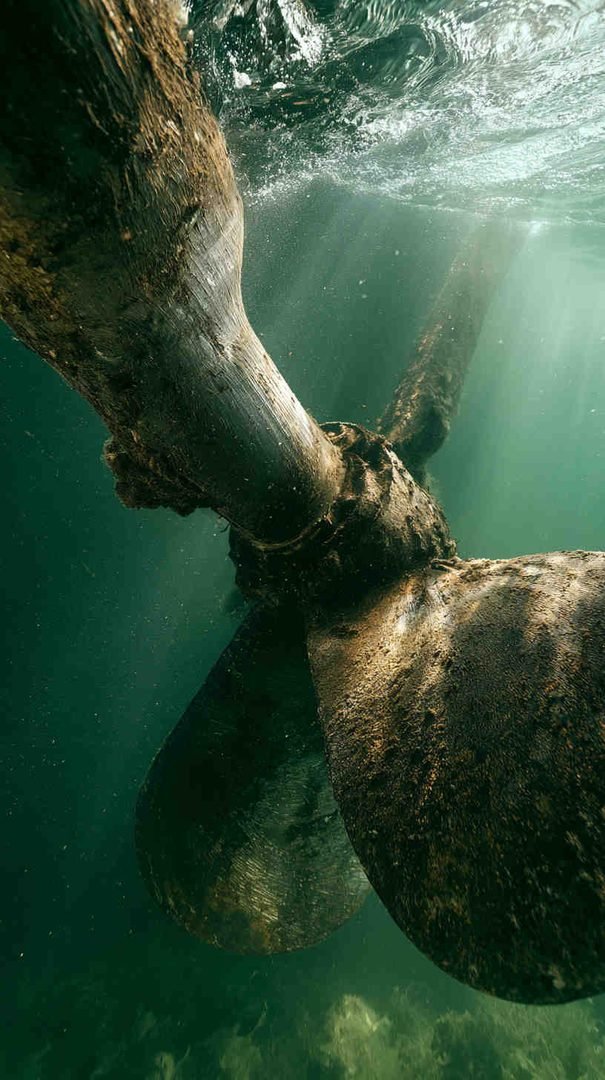
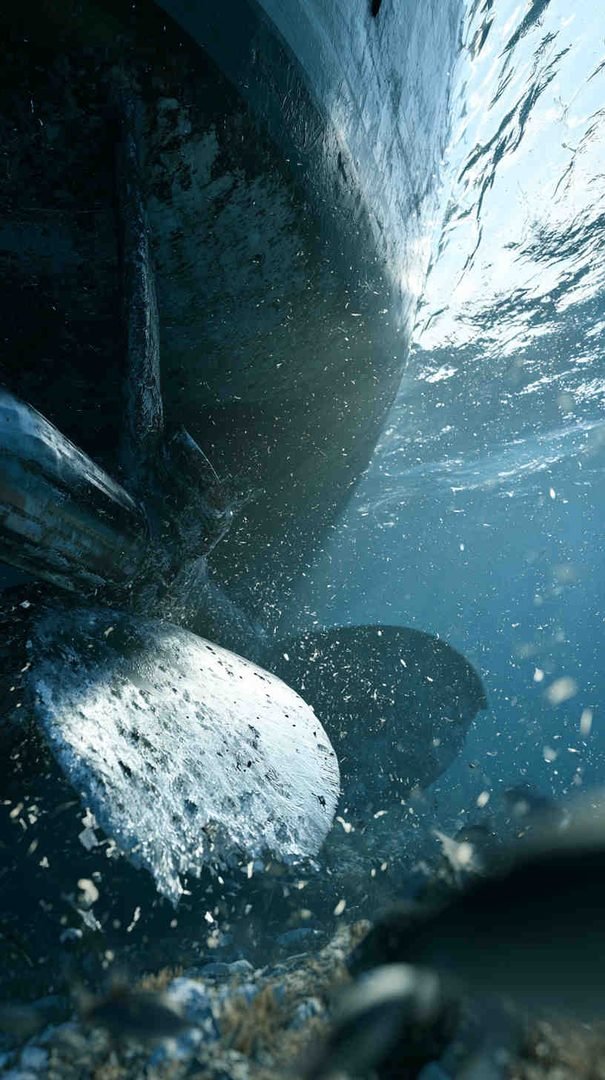
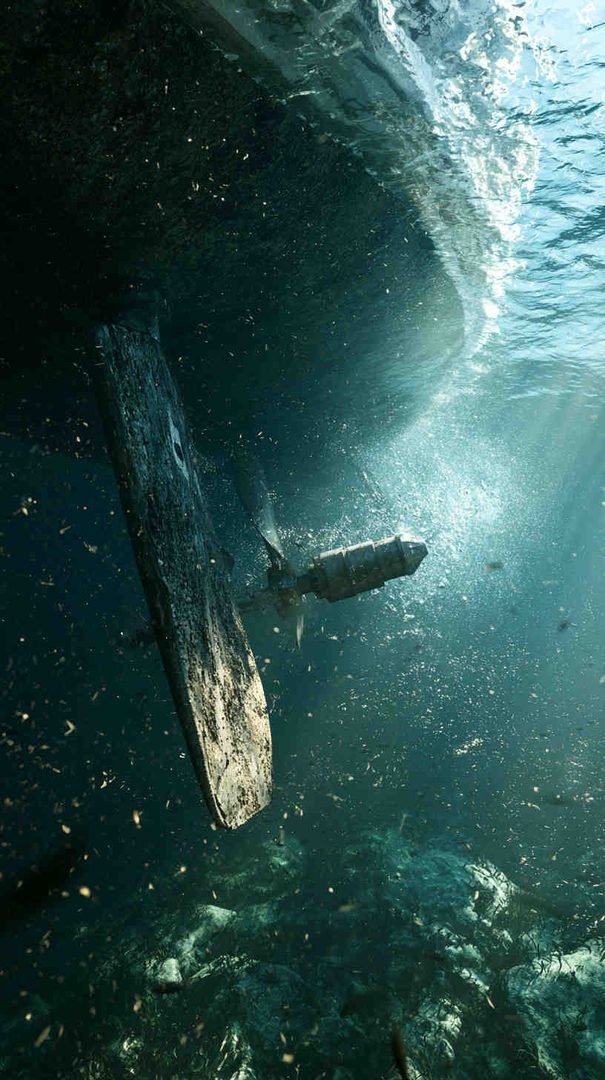
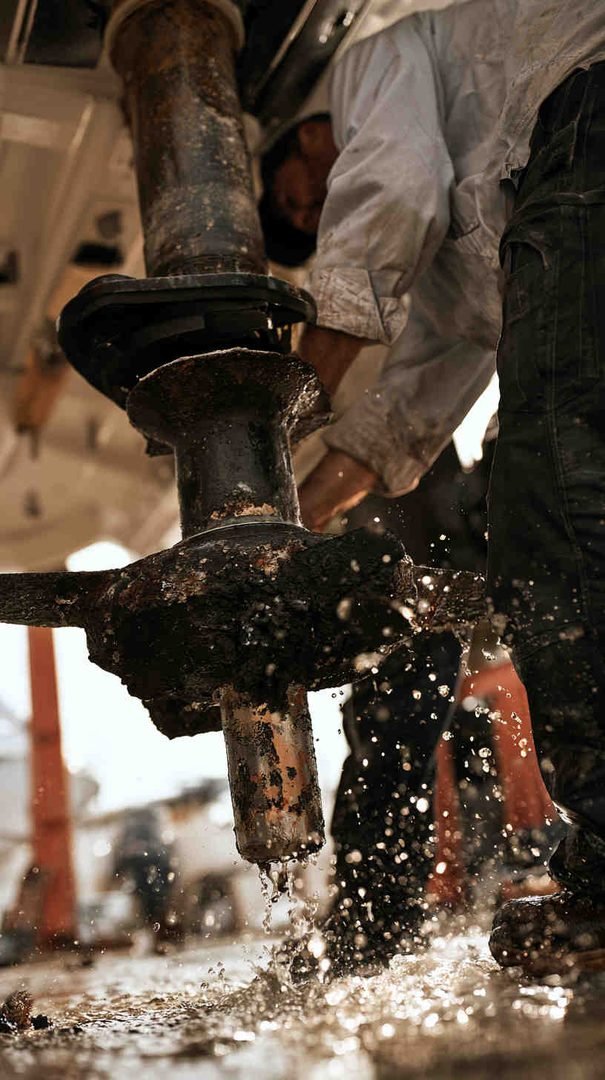
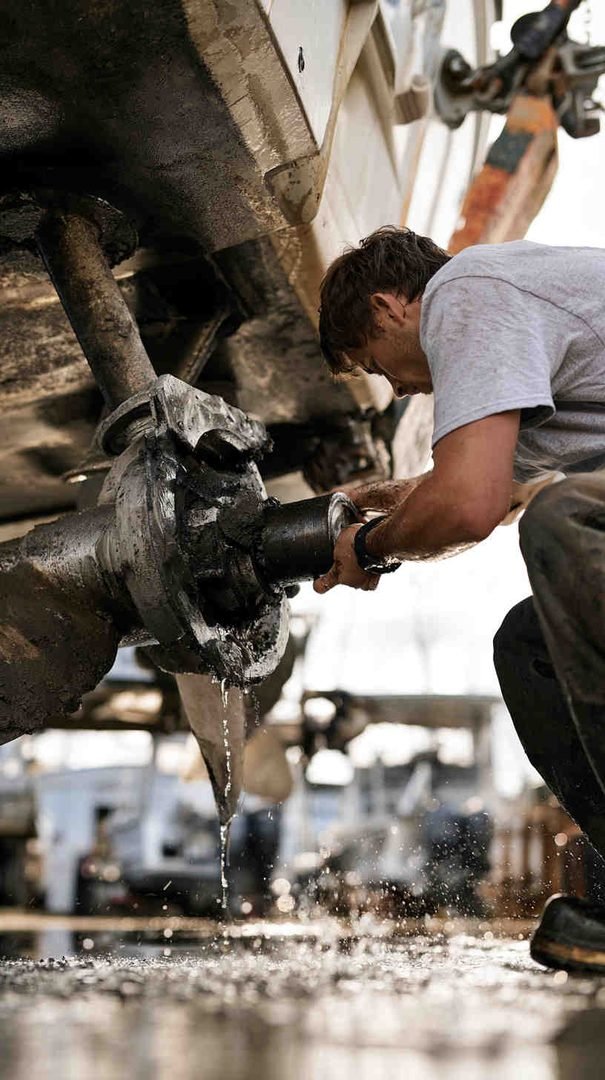
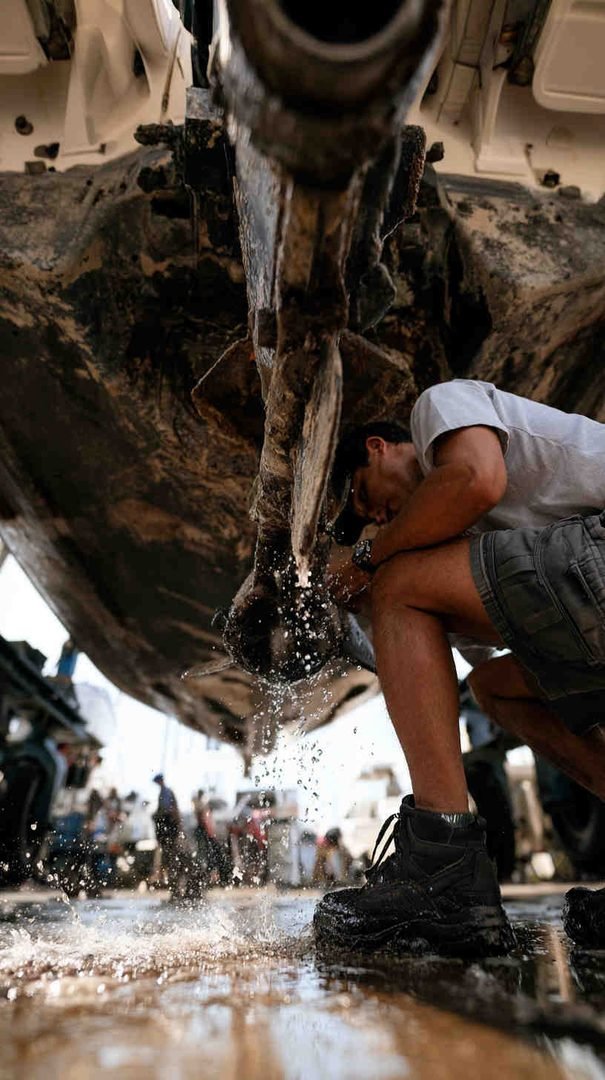
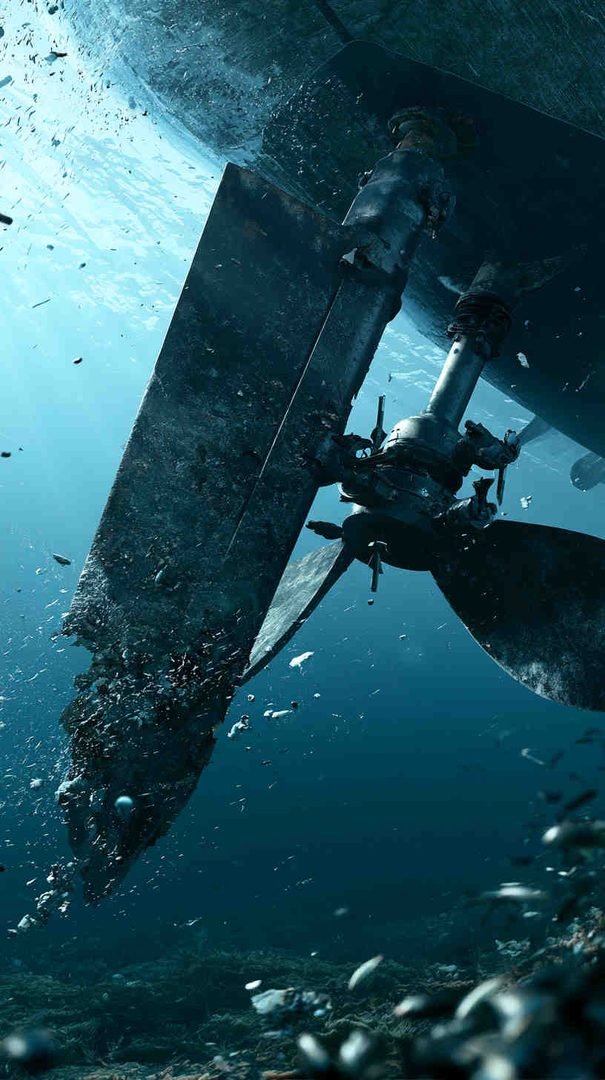
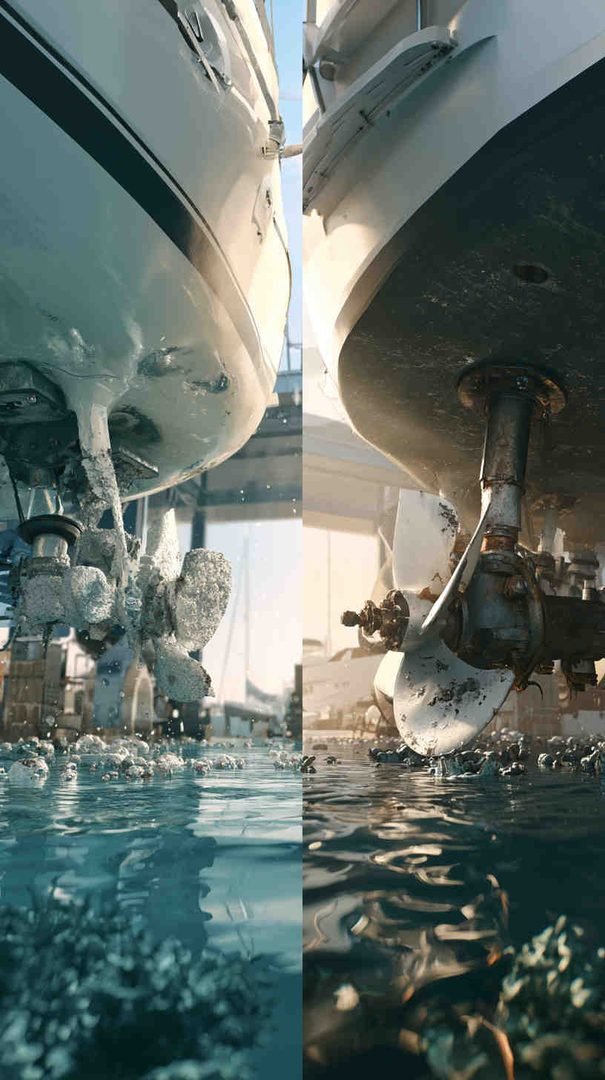
Once an anode is fully consumed, the next most reactive metal in the system becomes the new sacrificial target. That’s often your propeller or shaft. Pitting and corrosion on a shaft can lead to misalignment, vibration, and eventually seal failure — problems that are far more expensive to fix than a $20 anode.
2. Outdrive and Lower Unit Damage
For boats with sterndrives or outboards, the lower unit is packed with precision-machined aluminum and steel parts. Once corrosion sets in here, you’re often looking at gasket failures, water intrusion, and internal damage that can require a full lower unit rebuild — a repair that regularly runs into four figures.
3. Engine Block and Cooling System Corrosion
Many engines have internal block anodes (sometimes called pencil zincs) inside the cooling passages. If these are neglected, corrosion can eat into the engine block itself. Once that happens, you’re not talking about a part replacement anymore — you’re talking about engine repair or replacement, which can cost more than the boat is worth in some cases.
4. Electrical System Damage
Stray current corrosion doesn’t just attack anodes — it can degrade wiring, connectors, and grounding systems over time. A neglected anode is often the first visible sign of a larger electrical grounding issue that, left unchecked, can cause erratic electronics, failed bilge pumps, or even fire risk in extreme cases.

5. Lower Resale Value
Surveyors doing a pre-purchase inspection know exactly what to look for. Heavy corrosion on running gear, props, or drive units is a major red flag that either kills a sale or forces a significant price reduction. A boat with a documented, consistent maintenance history — including anode checks — sells faster and for more money.
6. Emergency Haul-Out and Downtime Costs
Corrosion damage rarely announces itself conveniently. It tends to surface as a leak, a vibration, or a failure mid-season, which means an emergency haul-out, rushed repairs, and lost time on the water during the exact weeks you wanted to be using the boat most.
How to Check Your Zinc Anodes Properly
You don’t need to be a marine mechanic to do a basic seasonal inspection. Here’s a simple approach:
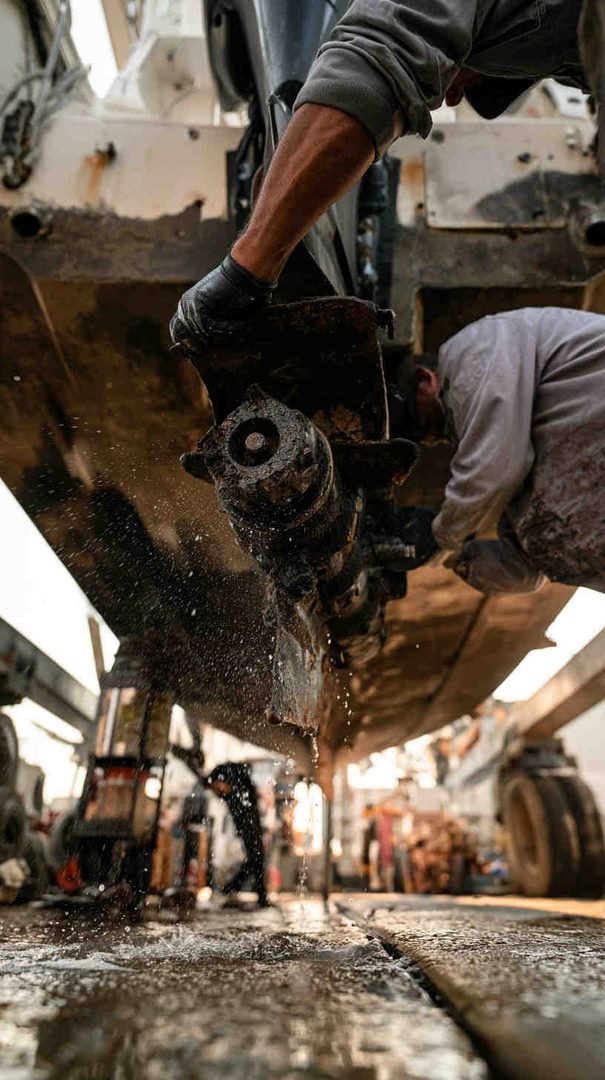
- Visually inspect every anode location — prop shaft, rudder, trim tabs, outdrive, and any hull-mounted anodes. Look for pitting, flaking, or an anode that’s shrunk to less than 50% of its original size.
- Check electrical continuity — a multimeter can confirm the anode is actually making a solid connection to the metal it’s protecting. A loose or corroded connection means the anode isn’t doing its job even if it looks intact.
- Look for uneven wear — if one anode is wearing dramatically faster than others, it can indicate a stray current issue that needs further investigation, not just a replacement.
- Replace anodes once they’re around 50% consumed — waiting until they’re fully gone means there was a window where your boat had zero protection.
- Match the anode type to your water — zinc for saltwater, aluminum for brackish water, and magnesium for freshwater. Using the wrong type can mean the anode barely works at all.
Building a Habit, Not Just a Task
The real lesson here isn’t that zinc anodes are expensive — they’re one of the cheapest parts on any boat. The lesson is that the cost of neglecting them is completely disproportionate to their price. A five-minute check every season, or every couple of months during heavy use, is what stands between routine maintenance and a repair bill that could sideline your boat for the whole summer.




Treat your anode check the same way you’d treat an oil change or a battery test — a small, recurring habit rather than an afterthought. Keep a simple log of when anodes were inspected and replaced, note how quickly they’re wearing down, and adjust your checking frequency based on what you observe. Boats that get this kind of consistent attention tend to have fewer surprise repairs, better resale value, and a much longer working life for their running gear and engines.
In the end, the anode itself was never the expensive part. What’s expensive is everything it was quietly protecting — and that’s exactly why skipping the check, season after season, ends up being one of the costliest habits a boat owner can fall into.
Happy Boating!
Share The hidden cost of skipping zinc anode checks every season with your friends and leave a comment below with your thoughts.
Read Small boat owners signs your transom is starting to rot until we meet in the next article.