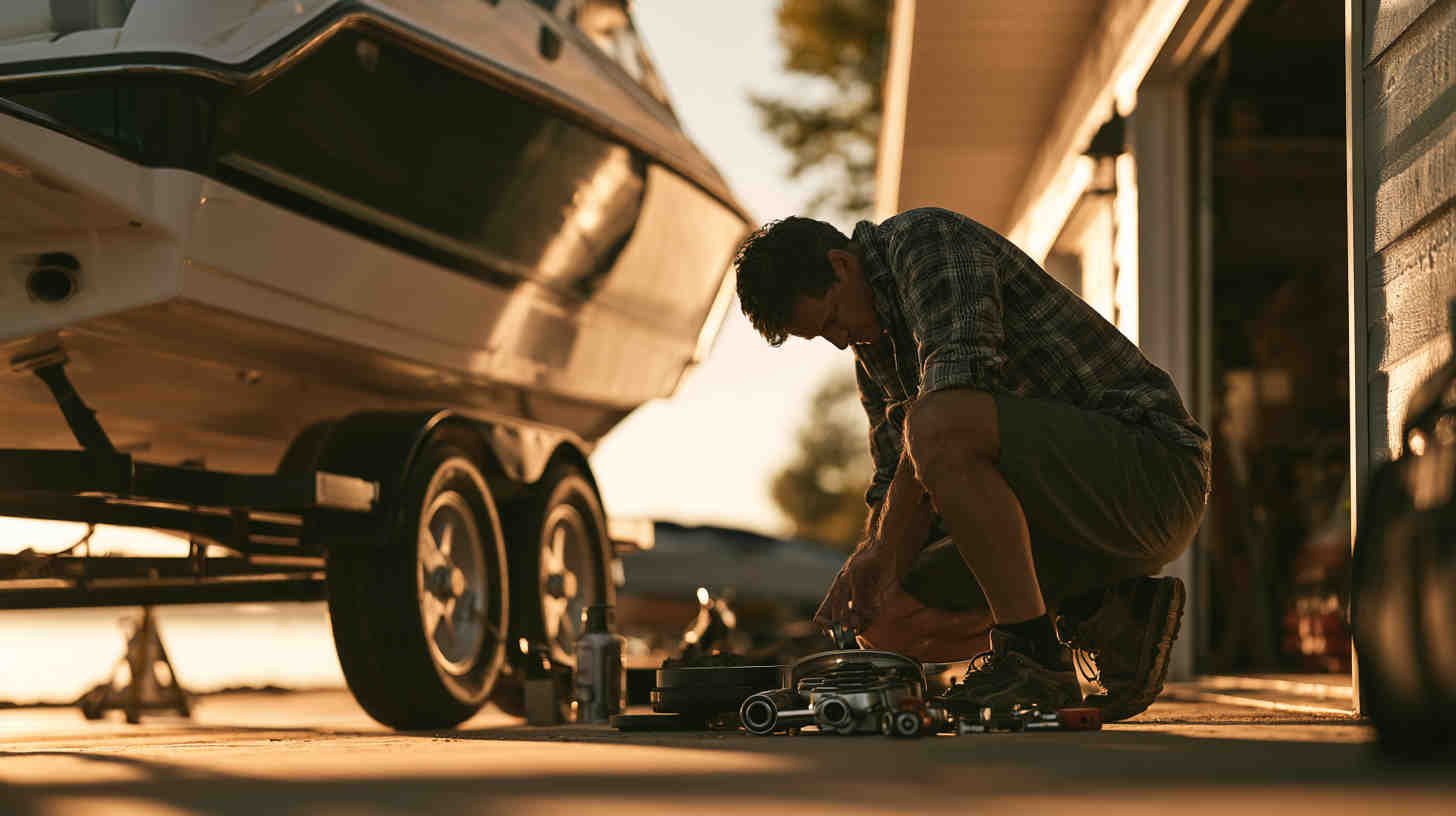
If your boat spends most of the year sitting in the driveway, a storage unit, or under a cover in the backyard, you might assume your trailer bearings are catching a break. After all, less use means less wear, right? Unfortunately, it’s the opposite. Trailer bearings on rarely-used boats fail more often than bearings on trailers that see weekly use, and the reason comes down to one word: moisture.
Understanding why infrequent launching is actually harder on your bearings — and what to do about it — can save you from a roadside breakdown, a ruined wheel hub, or worse, an axle that snaps under load on the highway.



Why “Low Use” Doesn’t Mean “Low Risk”
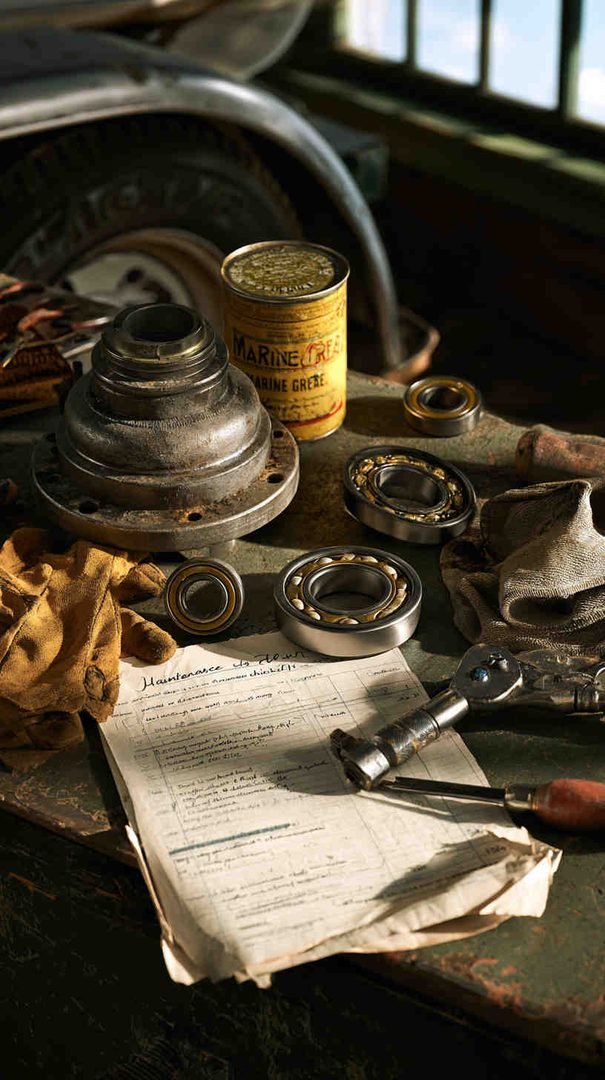
Wheel bearings are packed with grease to keep metal rollers spinning smoothly against a metal race, all while staying sealed off from water and road grit. Every time you back a trailer into a lake, river, or ocean, that grease-packed cavity gets cold-shocked. The metal housing contracts slightly as it hits the water, and if there’s any gap in the seal — even a microscopic one — water gets pulled inside as the air inside the hub cools and contracts.
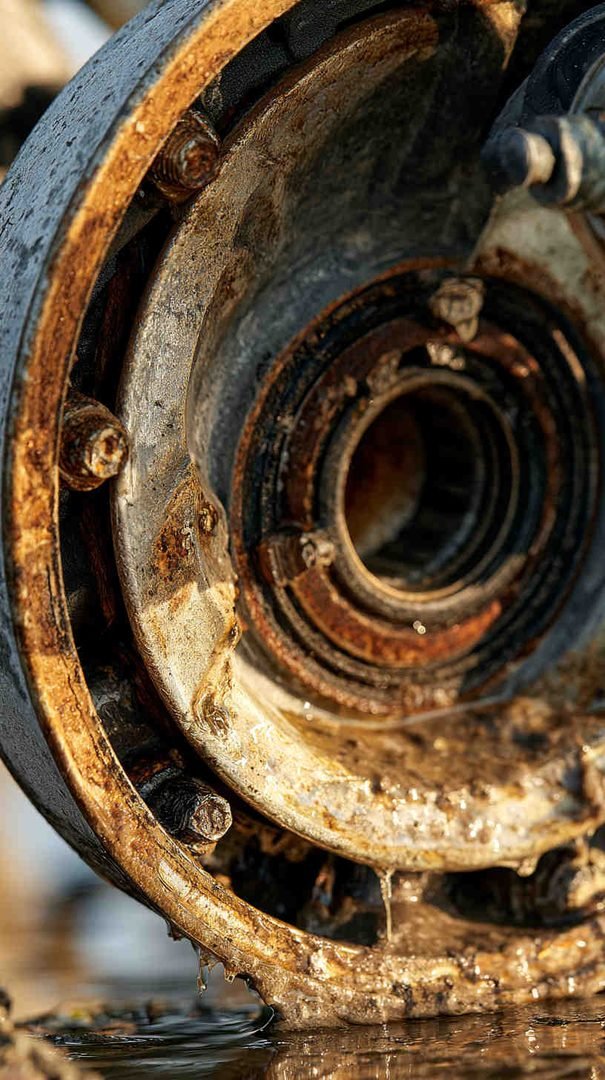
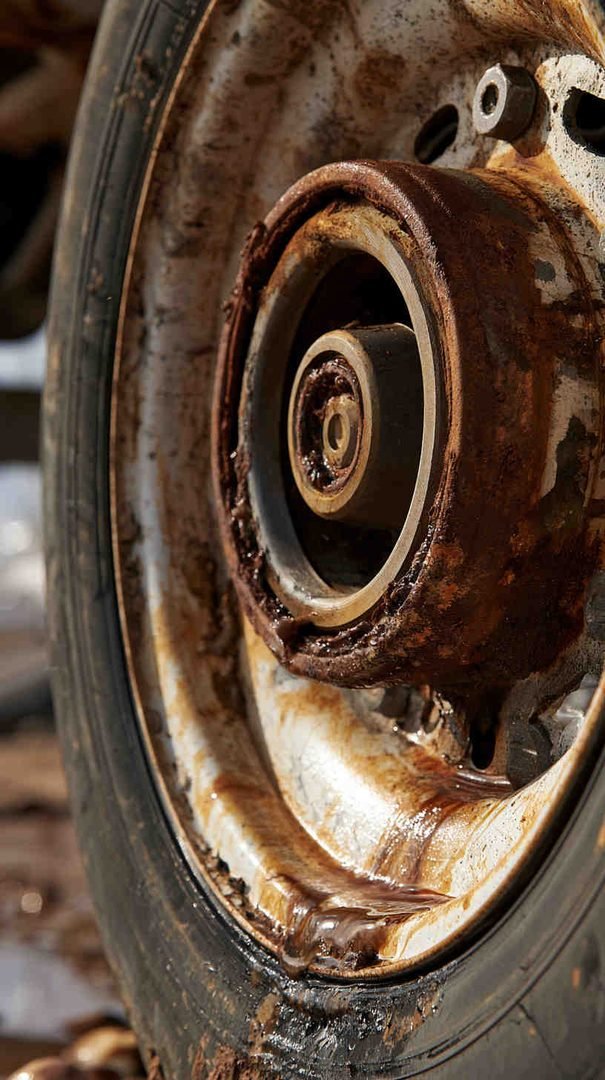
For boats launched weekly, this moisture intrusion is a known, manageable problem: frequent greasing pushes new lubricant through the bearing and flushes out the old, water-contaminated grease before it can cause real damage. But for boats launched two or three times a season, that water-contaminated grease just sits there. Between outings, it turns your bearing into a slow-motion rust factory. By the time you notice a wobble, a grinding sound, or a hub that’s hot to the touch, the damage is often already done.
Add to that months of sitting still, where bearings develop tiny flat spots (called “brinelling”) from a stationary rolling element pressing against the same point on the race, and you’ve got a recipe for premature failure that has nothing to do with mileage.
The Real Culprits: Moisture, Time, and Neglect
Three factors work against low-use trailers specifically:
1. Water intrusion during launch and retrieval. This is unavoidable unless you use a drive-on/drive-off system that never submerges the hubs. Every dunk is a risk.
2. Long dry spells between checks. A problem that would be caught and corrected on a weekly-use trailer within days can fester for months on a seasonal trailer. Rust doesn’t wait for boating season.
3. “Out of sight, out of mind” storage. Boats tucked away for the winter — or for most of the year — rarely get a pre-storage bearing check. People remember to fog the engine and disconnect the battery, but the trailer often gets ignored entirely.
The good news is that all three of these risks are fully preventable with a maintenance routine built around your actual usage pattern, not a generic “check it once a year” rule.
A Maintenance Schedule Built for Infrequent Use
Because you’re not putting miles on the trailer regularly, your maintenance schedule should be based on calendar time and launch events, not odometer-style tracking. Here’s a practical approach:
Before Every Launch
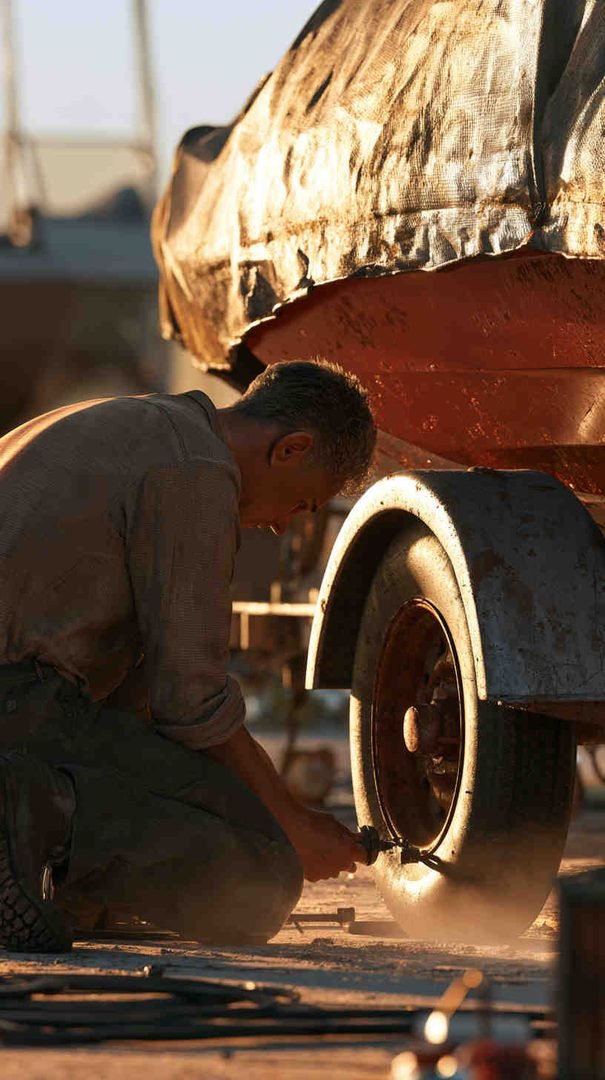
- Spin each wheel by hand with the trailer jacked up. It should turn freely and smoothly, with no grinding, catching, or excessive play when you wiggle the tire top-to-bottom.
- Check the bearing protector or dust cap for grease that looks milky, gray, or watery — a clear sign moisture has already gotten in.
- Give hubs a quick temperature check after the first few miles of towing (before backing into the water). A hub that’s noticeably hotter than the others is an early warning sign.
After Every Launch
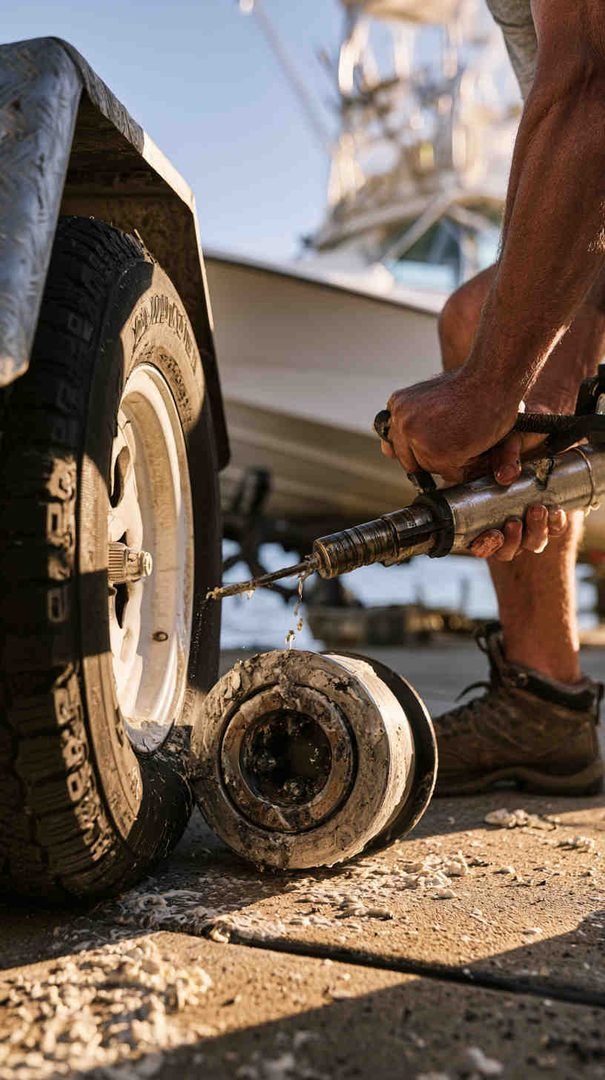
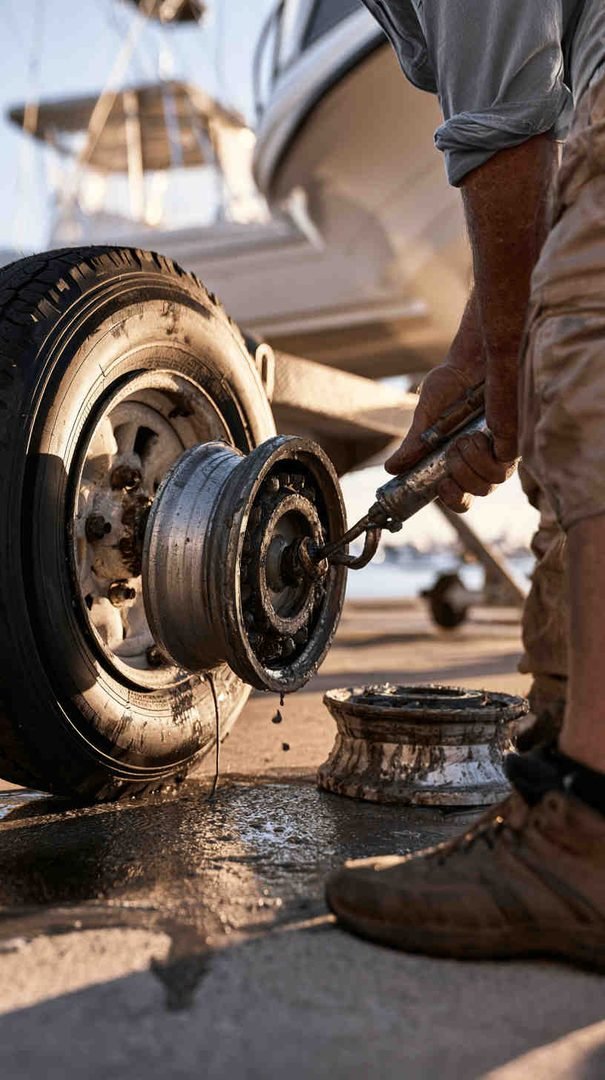
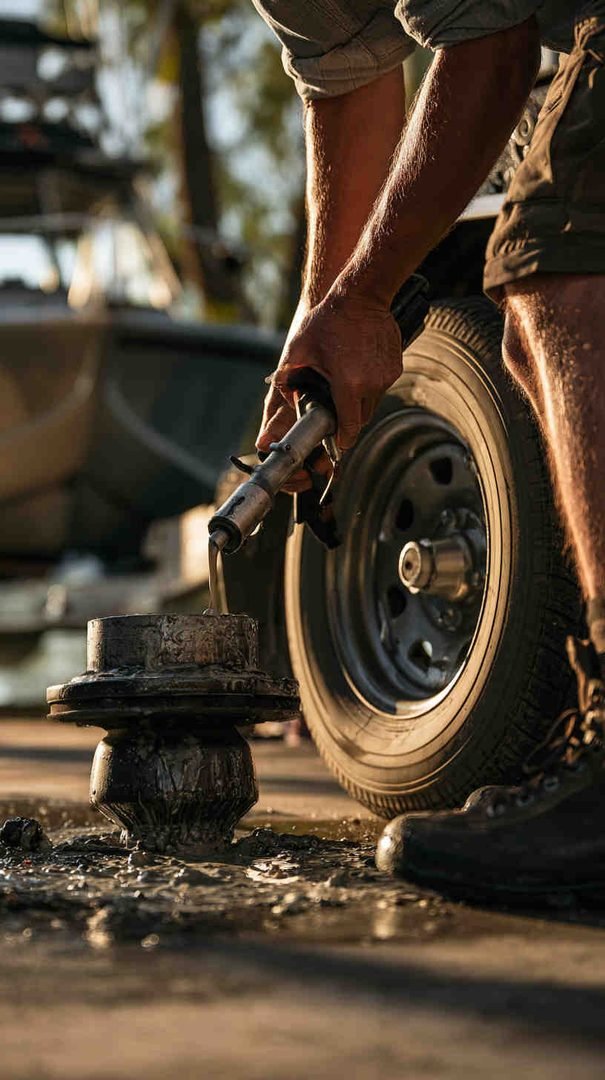
- Pump a few shots of fresh marine grease through the zerk fitting while the hubs are still cool, ideally before the bearings have had a chance to draw in more water as they cool down. This is the single most effective habit you can build for a seasonal boat trailer.
- Wipe down and inspect the seals for cracking or damage, since a compromised seal is an open invitation for water no matter how well you grease afterward.
Twice a Year (Minimum)
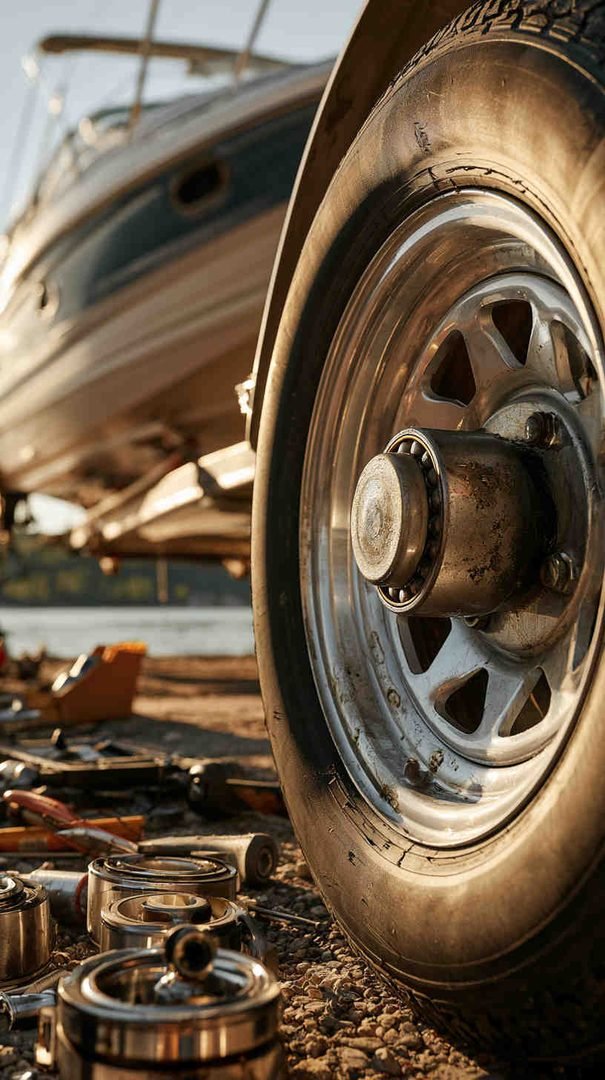
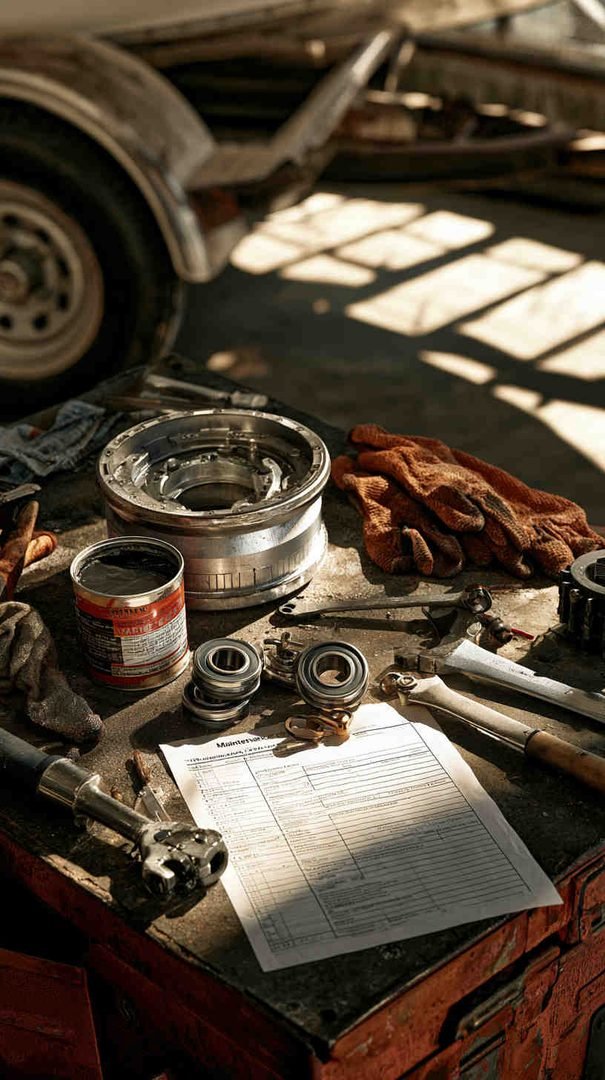
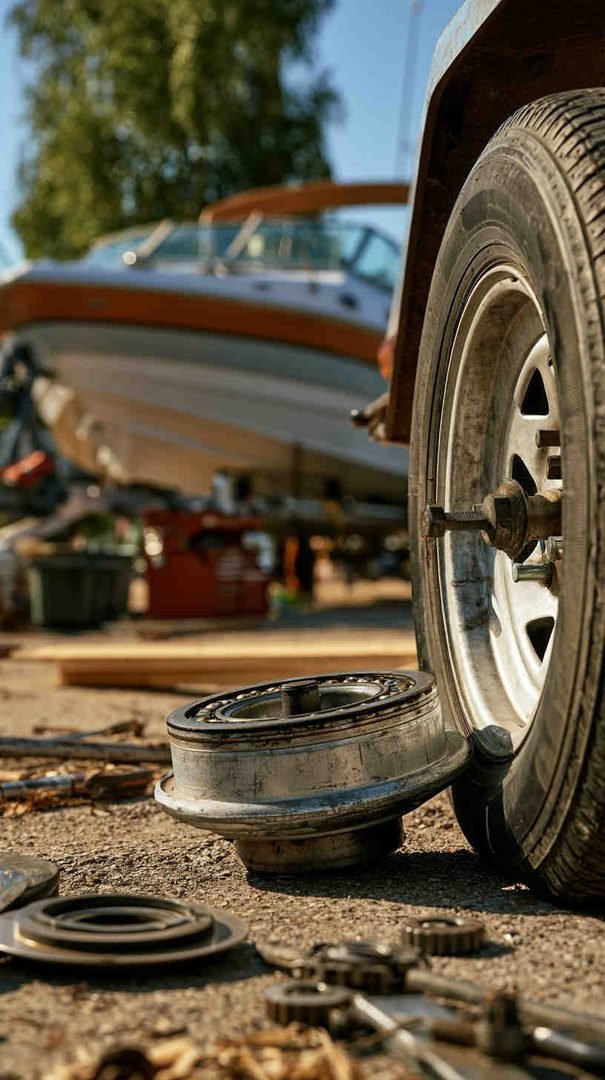
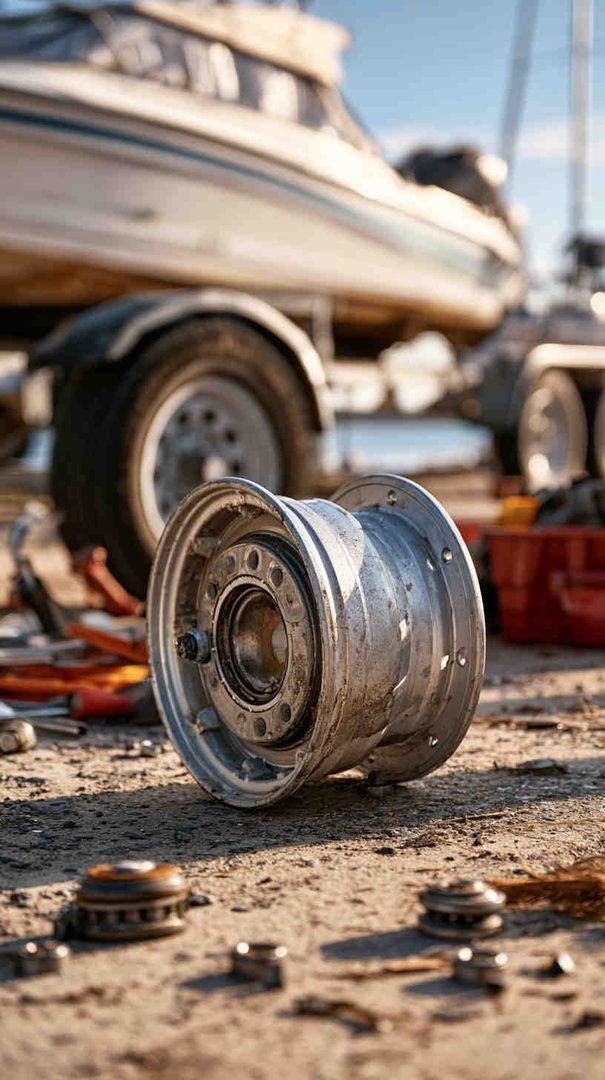
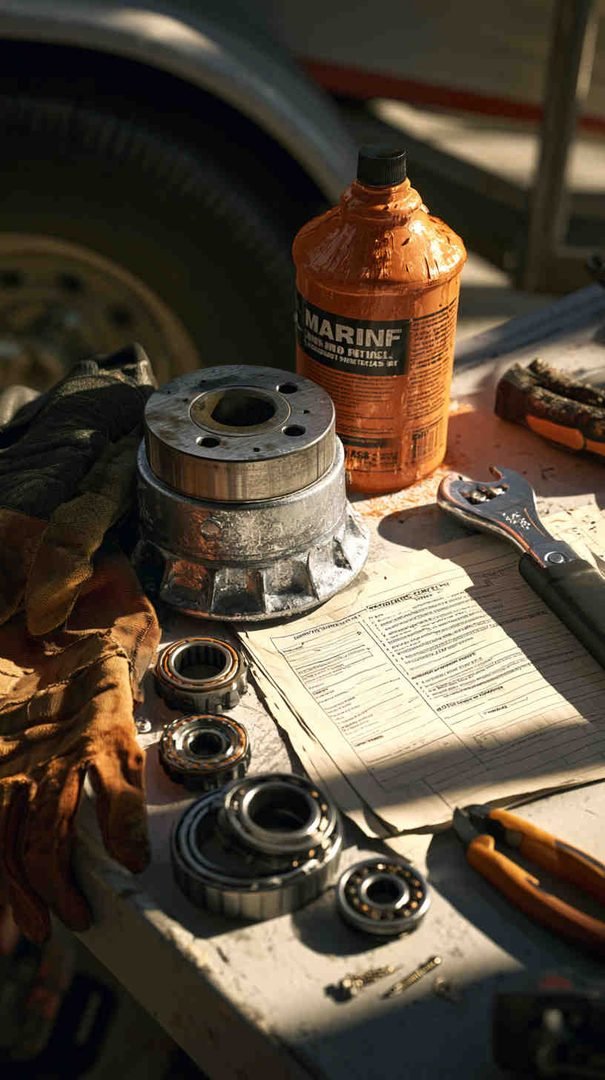
- Remove the dust caps and inspect the grease color and consistency. Fresh marine grease is typically tan, amber, or blue-green depending on brand; if it looks milky or has visible water separation, it needs to be flushed and repacked immediately.
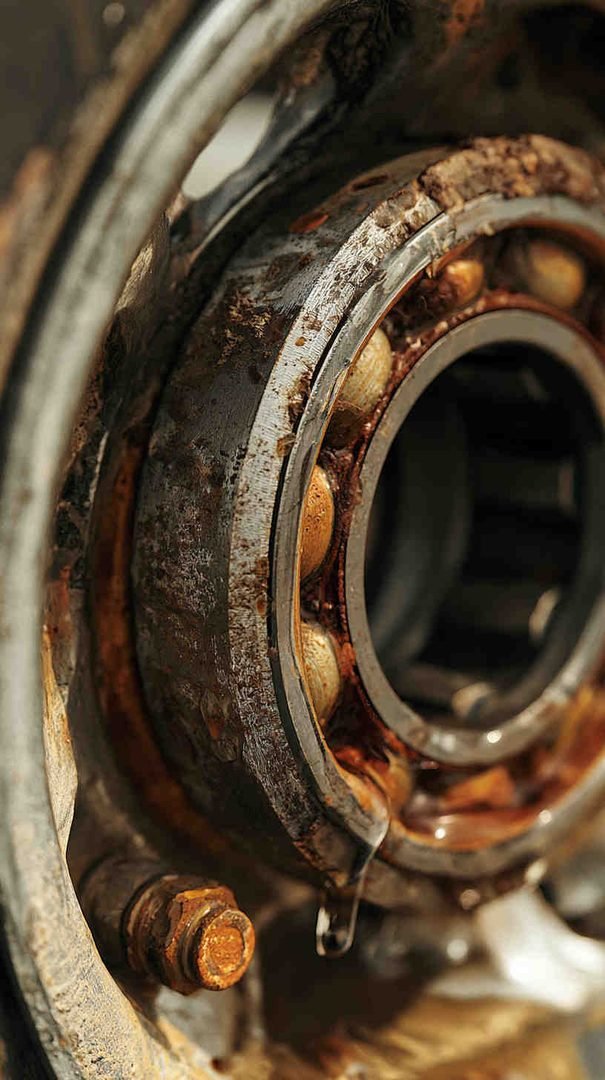
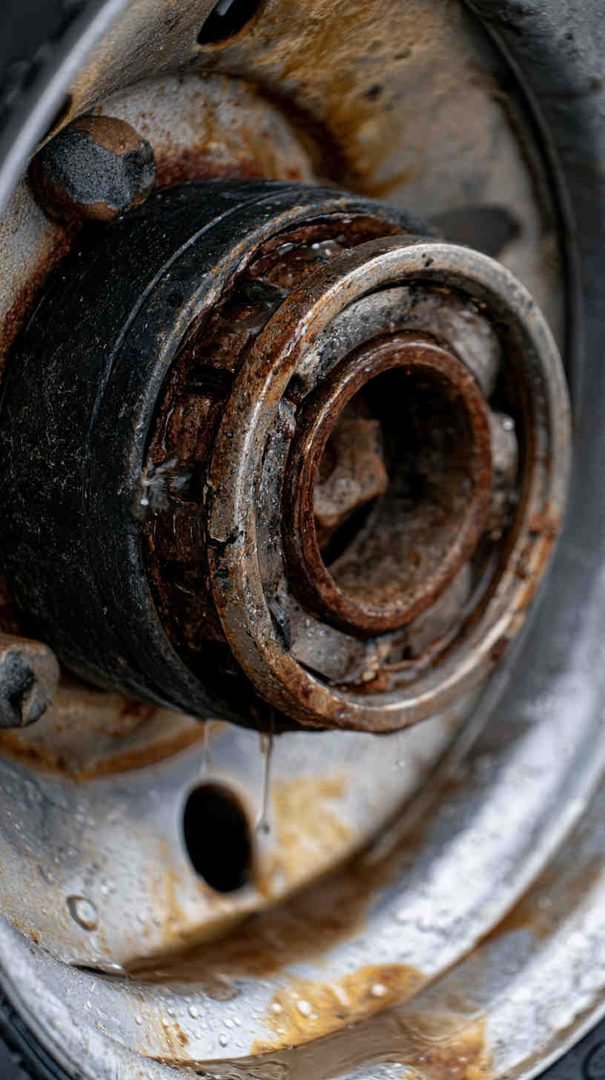
- Check for pitting, discoloration, or a bluish tint on the races and rollers, all signs of heat damage or advanced rust that means the bearing needs replacing, not just re-greasing.
Annually, or Before Long-Term Storage
- Fully repack or replace the bearings, especially if you use a boat that sits for six months or more between uses. This is cheap insurance compared to a bearing failure on the highway, which can destroy a hub, spindle, or even cause a wheel to separate from the trailer entirely.
- Replace the seals every time you repack, since seals are inexpensive and degrade with age even if they look intact.
Choosing the Right Grease and Hardware for Low-Use Trailers
Not all grease is created equal, and for a trailer that sits idle most of the time, the right product matters more than it would for a daily-use vehicle.
- Use marine-grade grease specifically, not general-purpose automotive grease. Marine grease is formulated to resist water washout and includes additives that fight corrosion during long idle periods.
- Consider bearing protectors (spring-loaded caps that maintain constant light pressure on the grease) if your trailer doesn’t already have them. They make it easy to add grease without disassembly and help push water back out before it can settle in.
- Sealed or “never-lube” bearing hubs are worth considering if you’re due for a hub replacement anyway. These units are pre-packed and sealed at the factory, which reduces (but doesn’t eliminate) the moisture risk for trailers that only see the water a handful of times per year.
Warning Signs You Shouldn’t Ignore
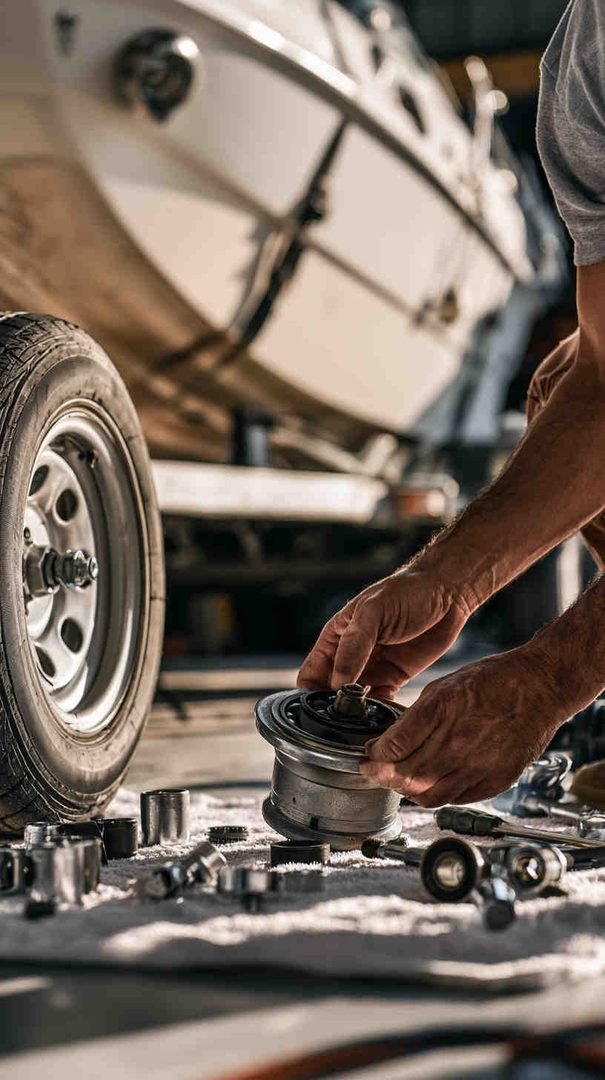
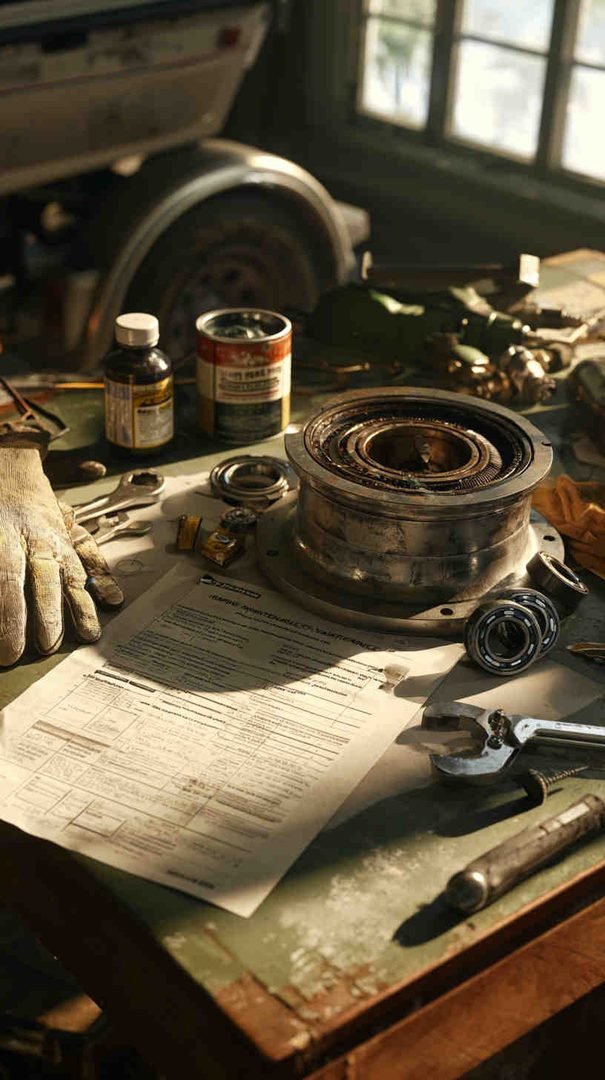

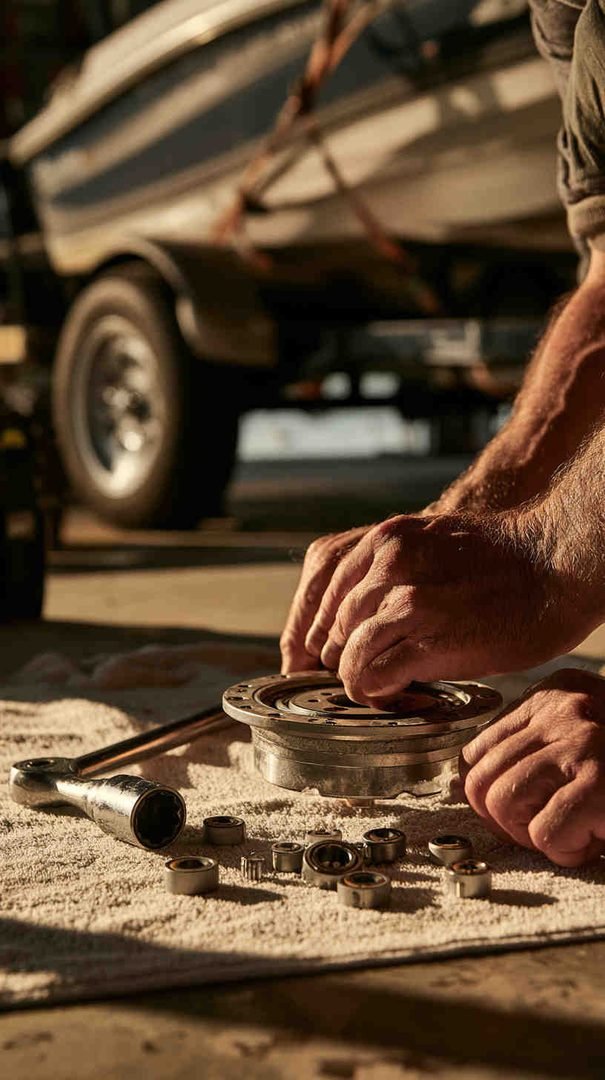

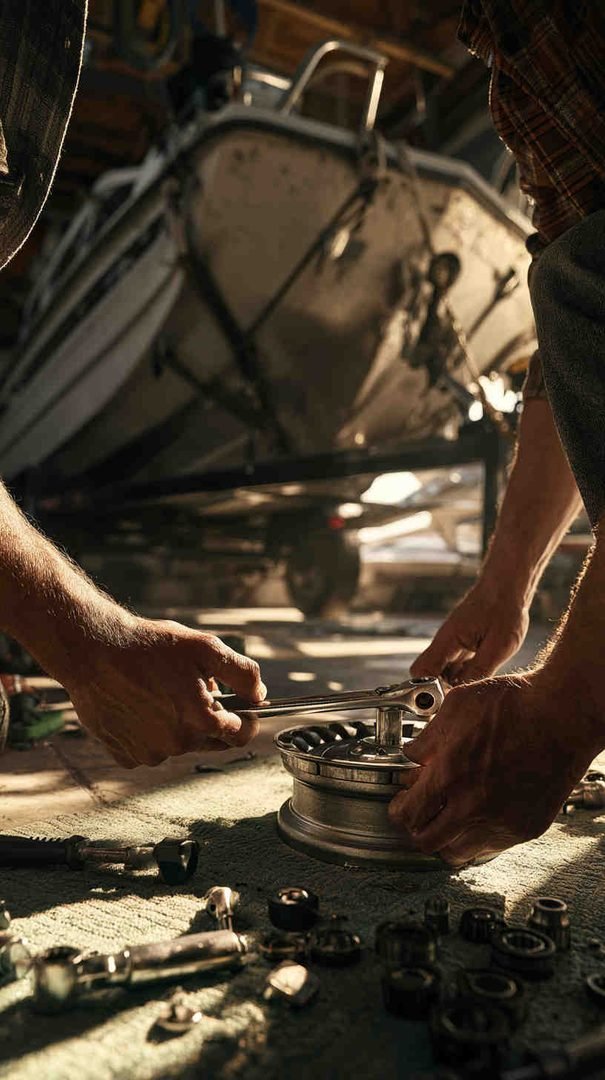
Because low-use trailers don’t give you the regular feedback that comes from frequent driving, it’s worth knowing exactly what failure looks and sounds like:
- A grinding, growling, or humming noise from the wheel area while towing, which usually gets louder with speed.
- A hub that’s noticeably hot to the touch after a short drive, indicating friction from a dry or damaged bearing.
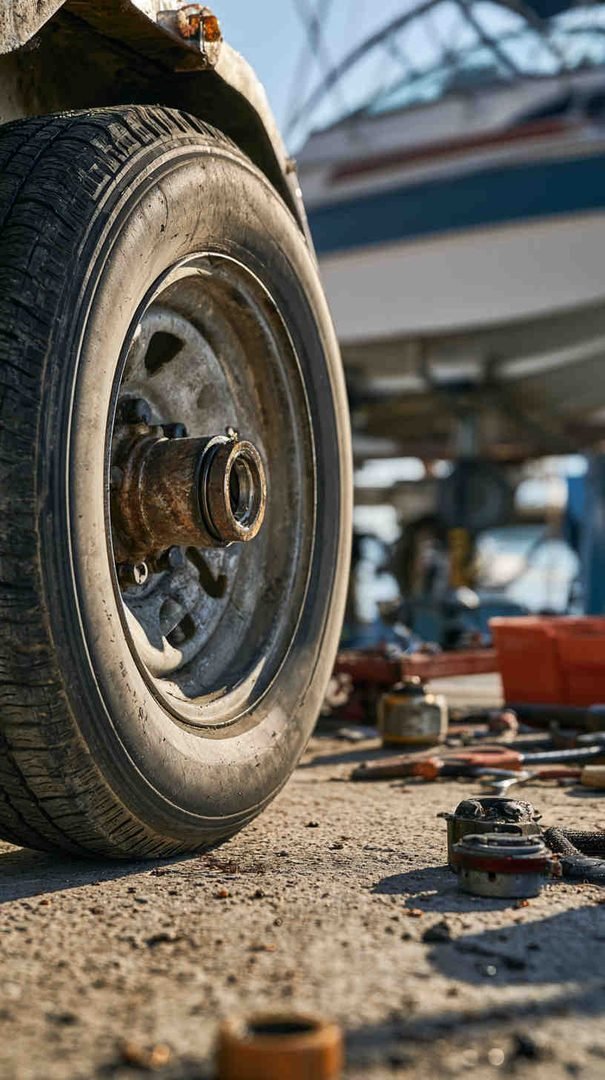
- Visible play when you grab the top and bottom of the tire and rock it — more than a slight amount of movement suggests worn bearings or a loose spindle nut.
- Rust-colored streaks or grease leaking from the hub, both of which point to a failed or failing seal.
If you notice any of these, stop towing as soon as it’s safe to do so. A bearing that fails completely can overheat to the point of seizing the wheel entirely, or it can shed enough metal debris to damage the spindle, requiring a full hub and axle repair instead of a simple bearing swap.
The Bottom Line
Trailer bearings don’t fail because of use — they fail because of neglect, and neglect is easiest to fall into when your boat only sees the water a few times a season. The fix isn’t complicated: grease before and after every launch, inspect twice a year at minimum, and fully repack or replace bearings annually or before long-term storage. Building this into your routine takes maybe twenty minutes a few times a year, and it’s far cheaper — in both money and hassle — than dealing with a bearing failure on the side of the highway with a boat in tow.
Happy Boating!
Share Trailer bearing maintenance for boats you only launch a few times a year with your friends and leave a comment below with your thoughts.
Read The real reason your bilge pump keeps cycling on its own until we meet in the next article.