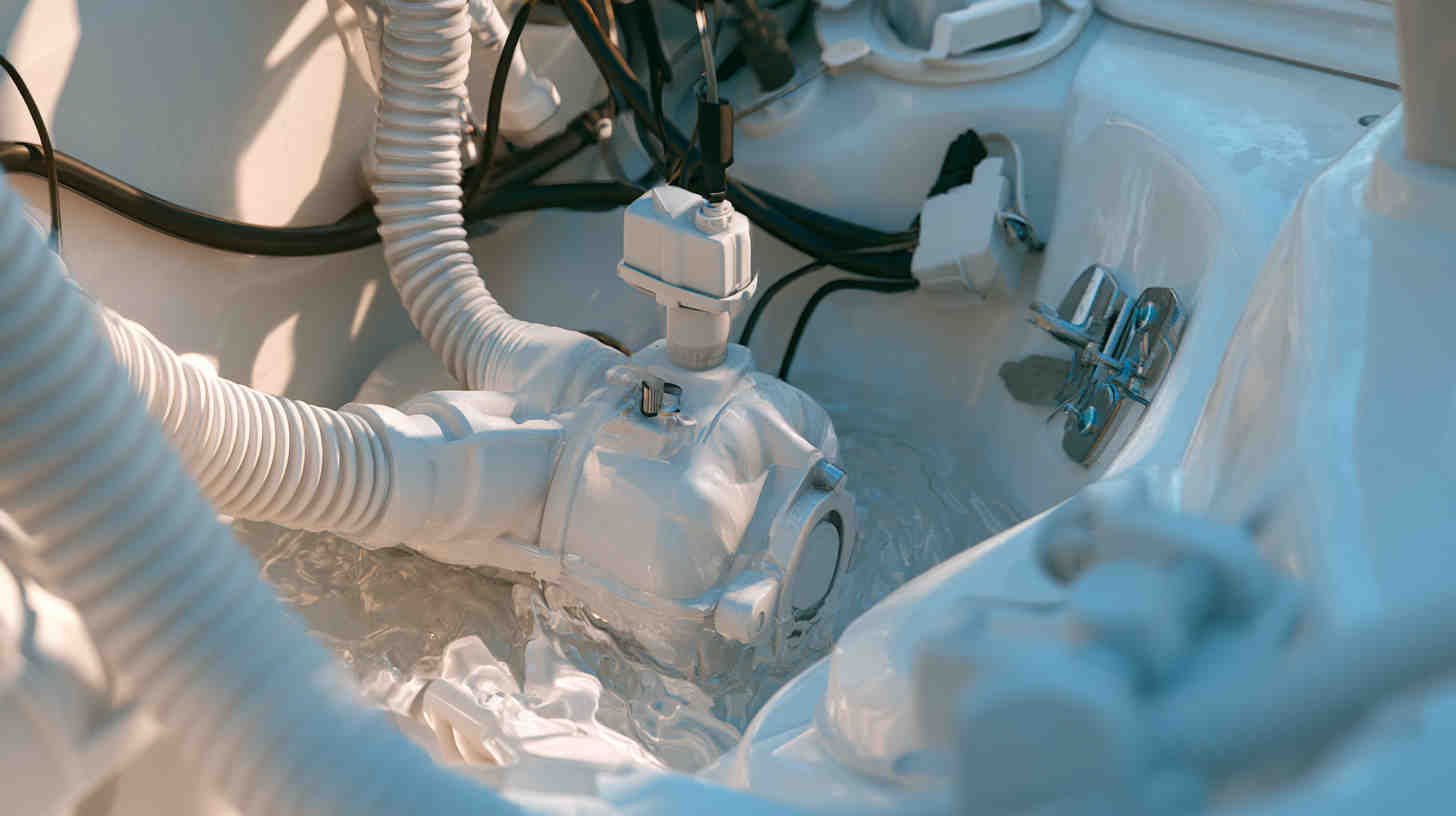
If you’ve ever been lying in your bunk at anchor and heard that unmistakable click-hum-click of your bilge pump kicking on every few minutes, you know how unsettling it is. Your first thought is usually the worst one: “Am I taking on water?” In most cases, you’re not. But a bilge pump that cycles on its own, over and over, without an obvious leak, is telling you something is wrong — and ignoring it is how small problems turn into dead batteries, corroded wiring, or a pump that fails right when you actually need it.
Let’s break down what’s really happening when your bilge pump won’t stop cycling, and what you can do about it.
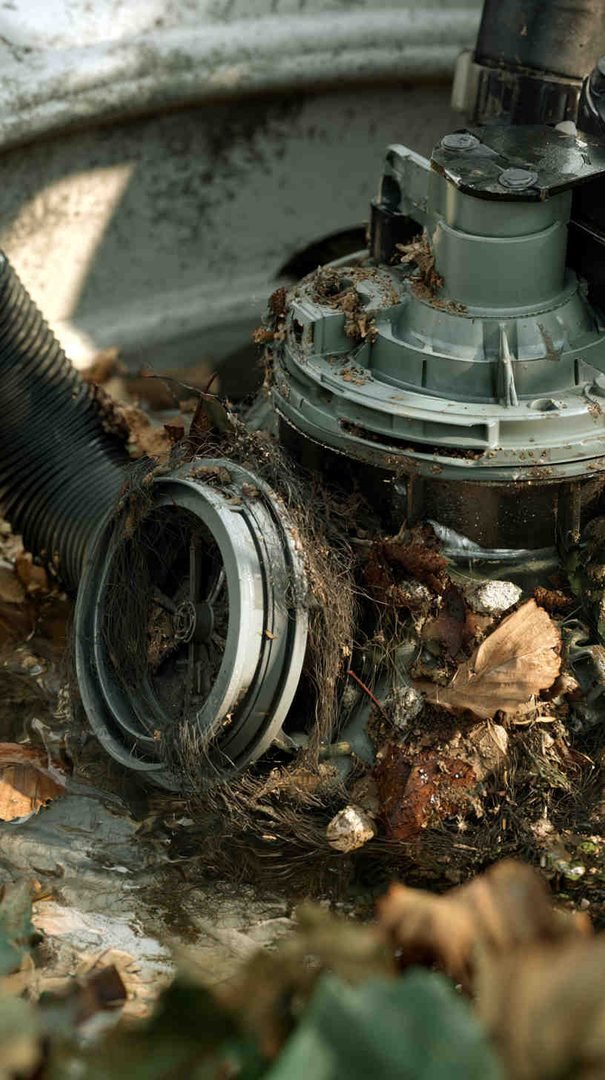
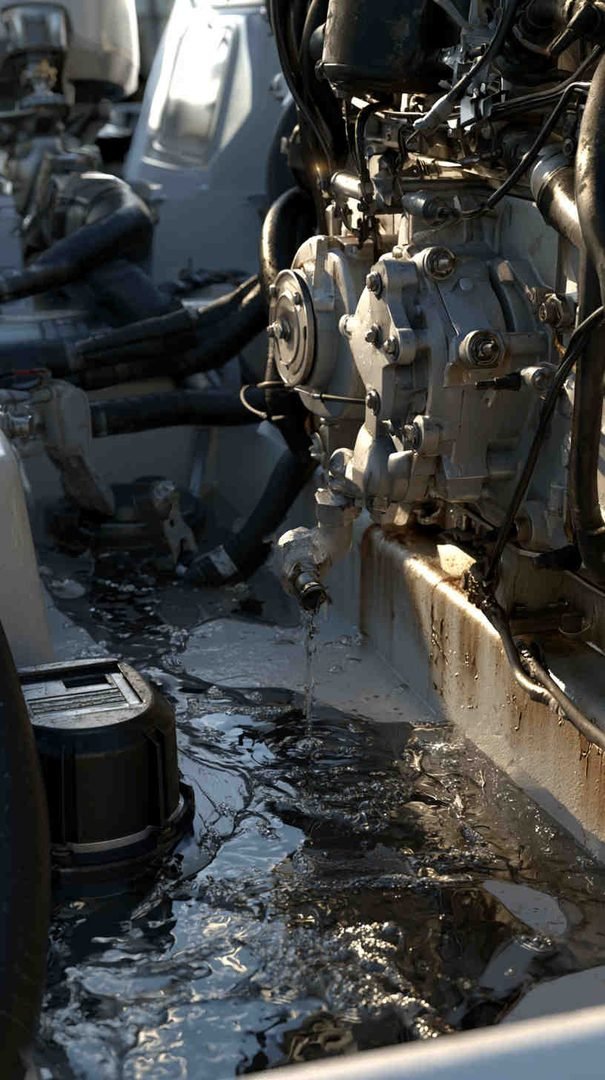
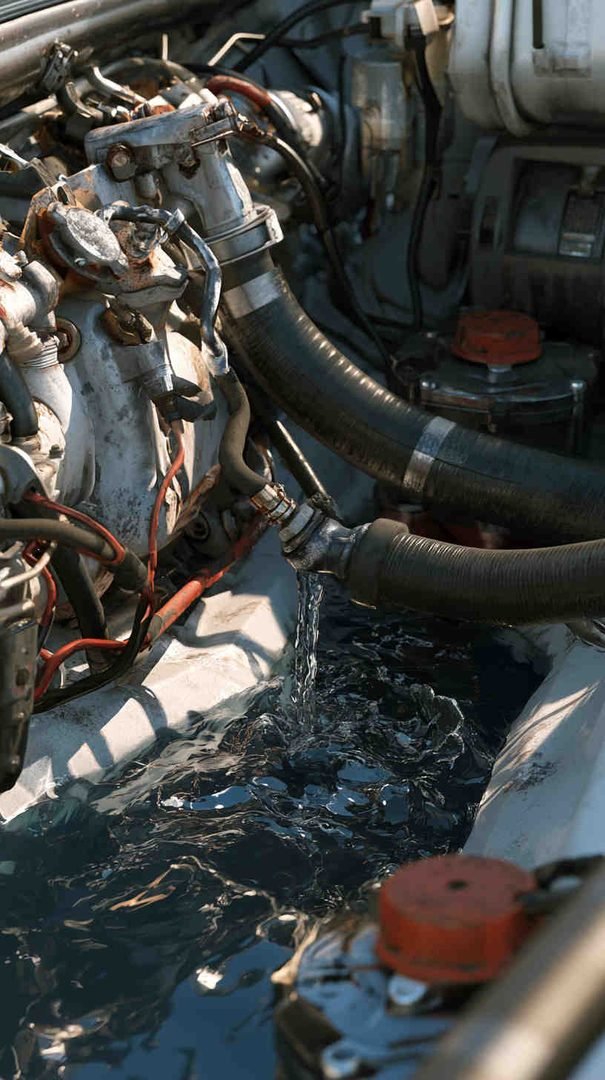
What “Cycling” Actually Means
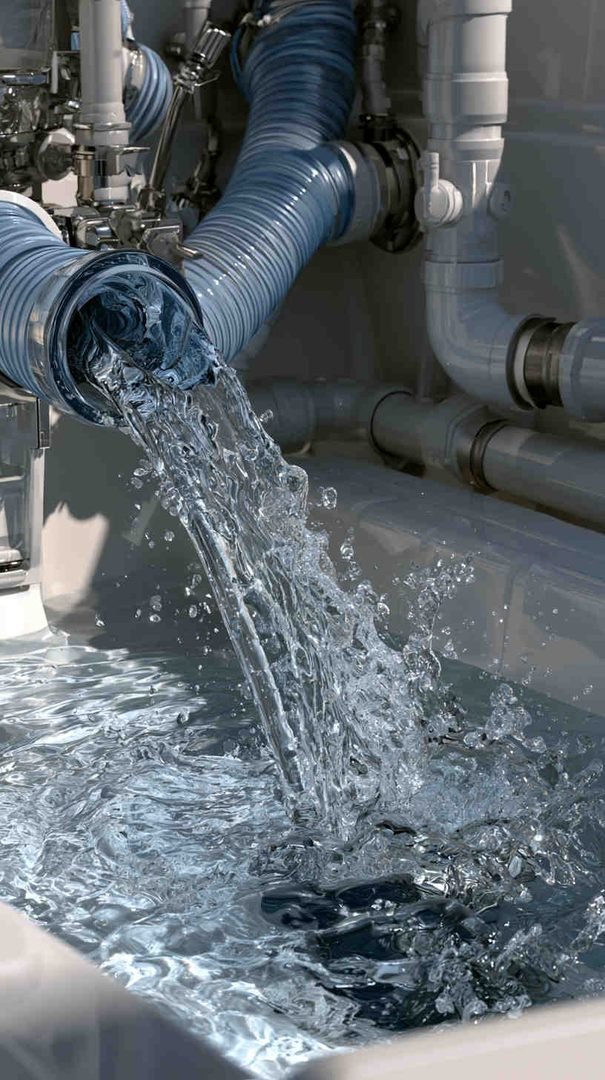
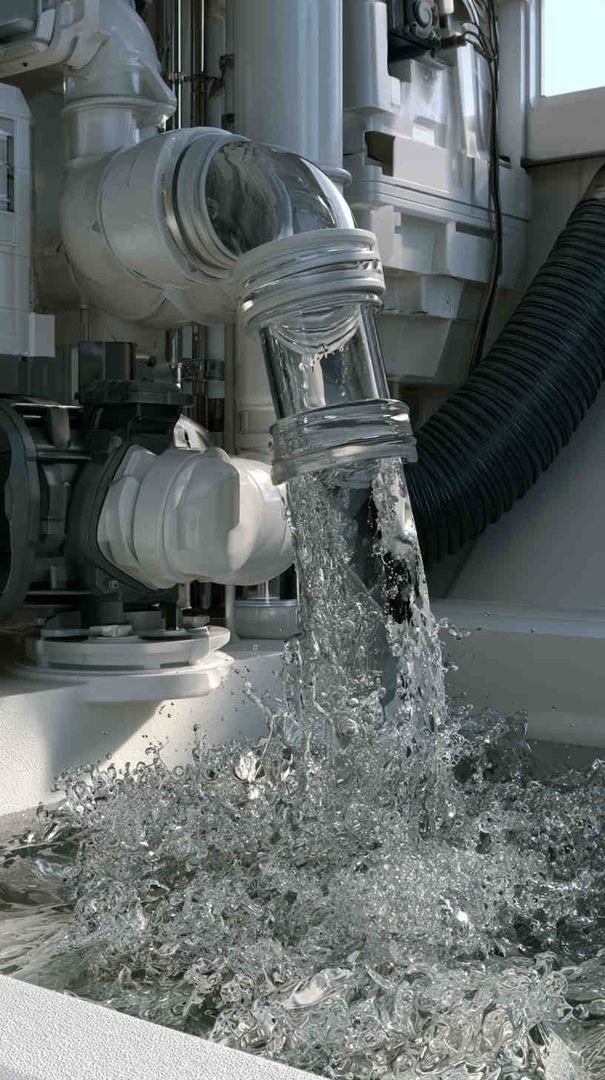
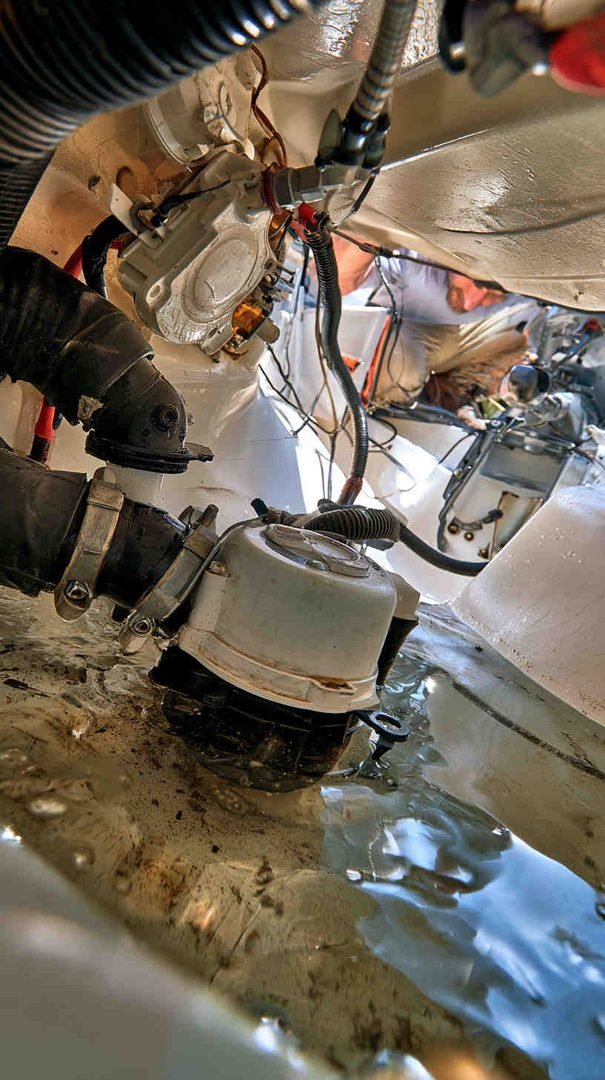
A healthy bilge pump should only run when there’s enough water in the bilge to trip the float switch, empty it out, and shut back off — then stay off for hours, sometimes days, depending on your boat. “Cycling” refers to a pump that turns on and off repeatedly in short intervals, often every few minutes, even when there’s little or no water present. This isn’t the pump doing its job. It’s the pump (or the switch controlling it) reacting to something other than a full bilge.
The good news is that this behavior almost always traces back to one of a handful of causes, and most of them are fixable in an afternoon.
The Real Reason: It’s Rarely the Pump Itself
Boat owners tend to blame the pump first, but the pump is usually the innocent party. The actual causes usually fall into one of these categories.
1. Water Is Siphoning Back Through the Discharge Hose
This is the single most common reason for a “phantom” bilge cycle. If your discharge thru-hull sits below or close to the waterline, and there’s no functioning anti-siphon loop (or vented loop) in the discharge line, water can siphon backward down the hose and refill the bilge every time the boat rocks or heels. The float switch senses the returning water, the pump kicks on, empties it, and the cycle repeats — sometimes for hours.
Check whether your discharge hose has a loop that rises above the waterline with a small vented fitting at the top. If that loop has failed, cracked, or was never installed correctly, backflow is almost certainly your culprit.
2. A Faulty or Stuck Check Valve
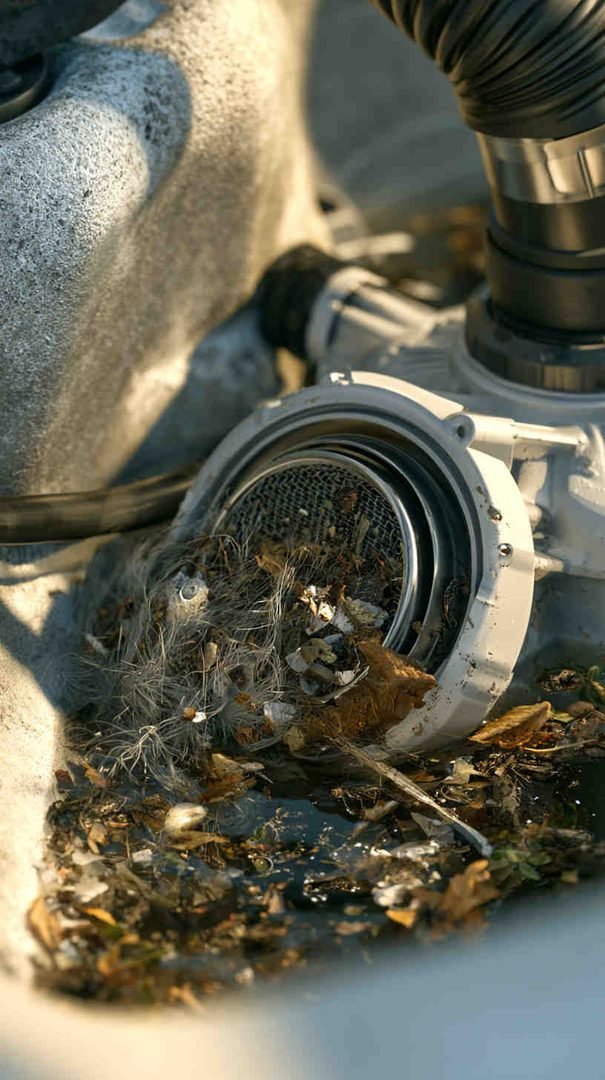
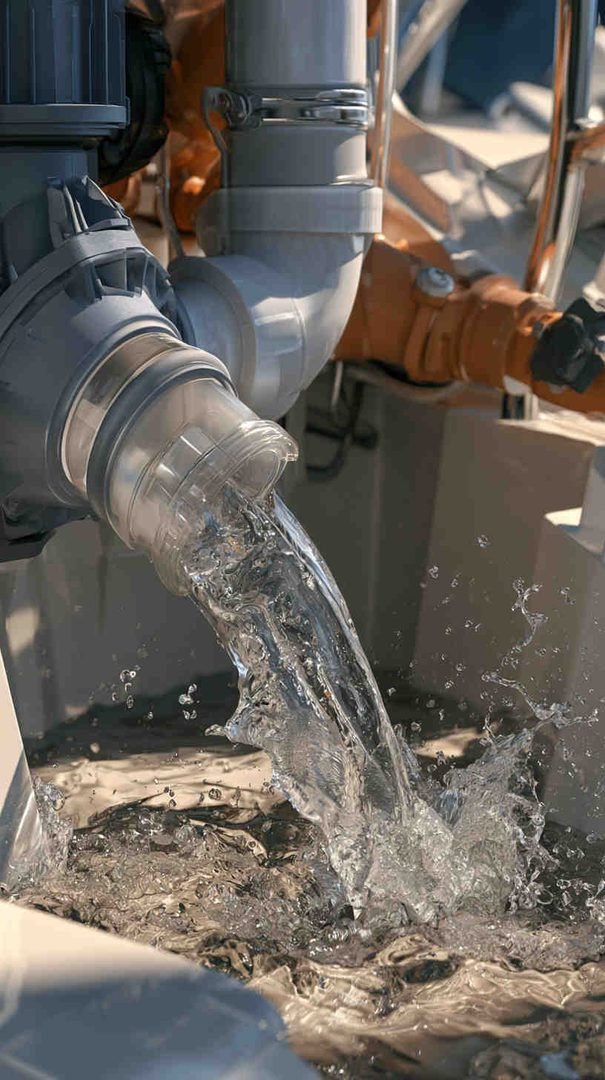
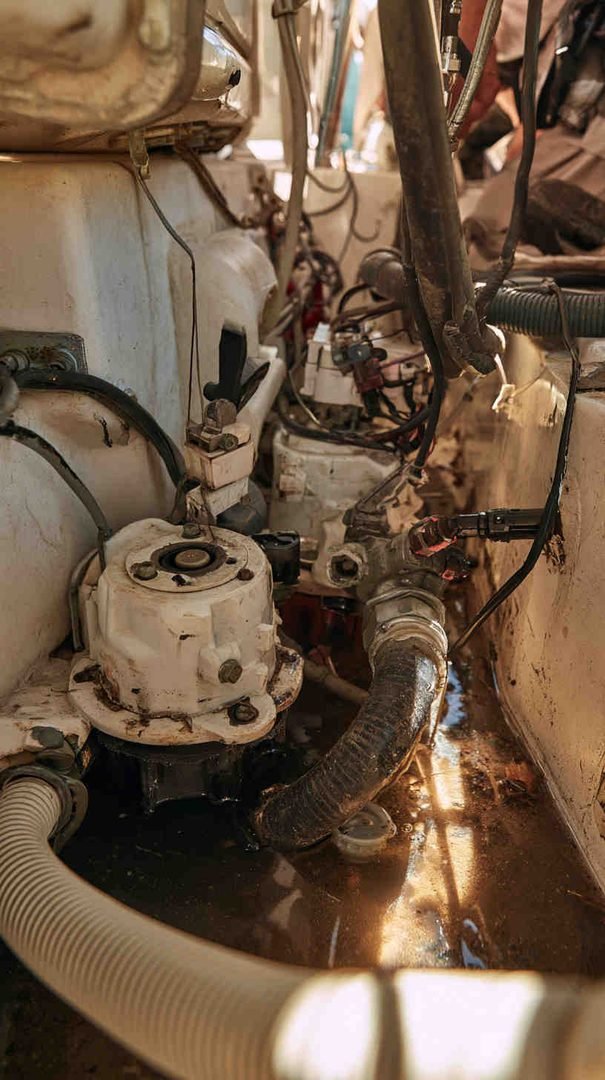
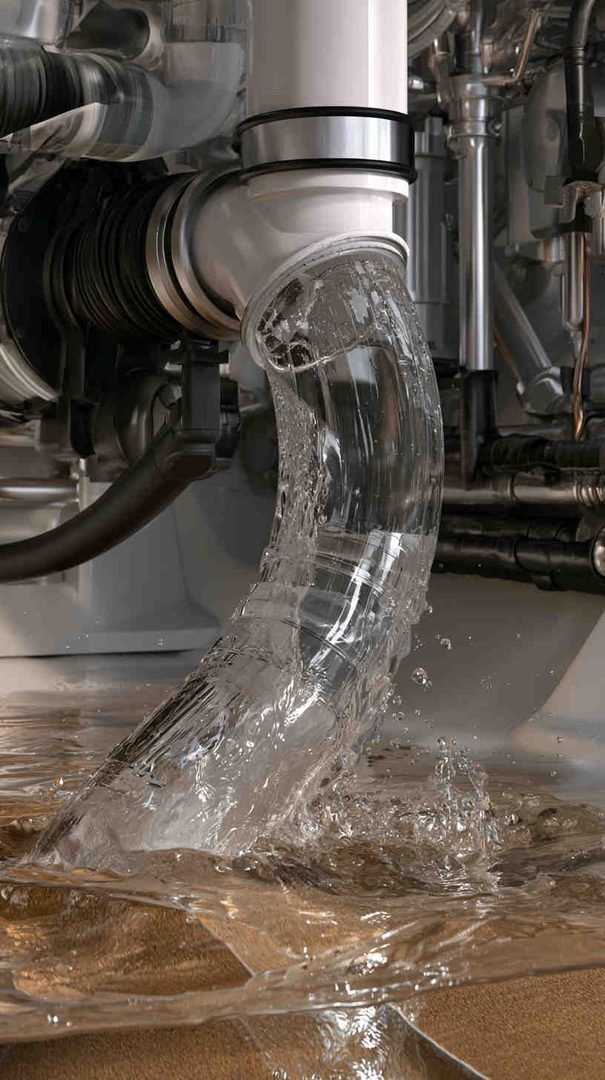
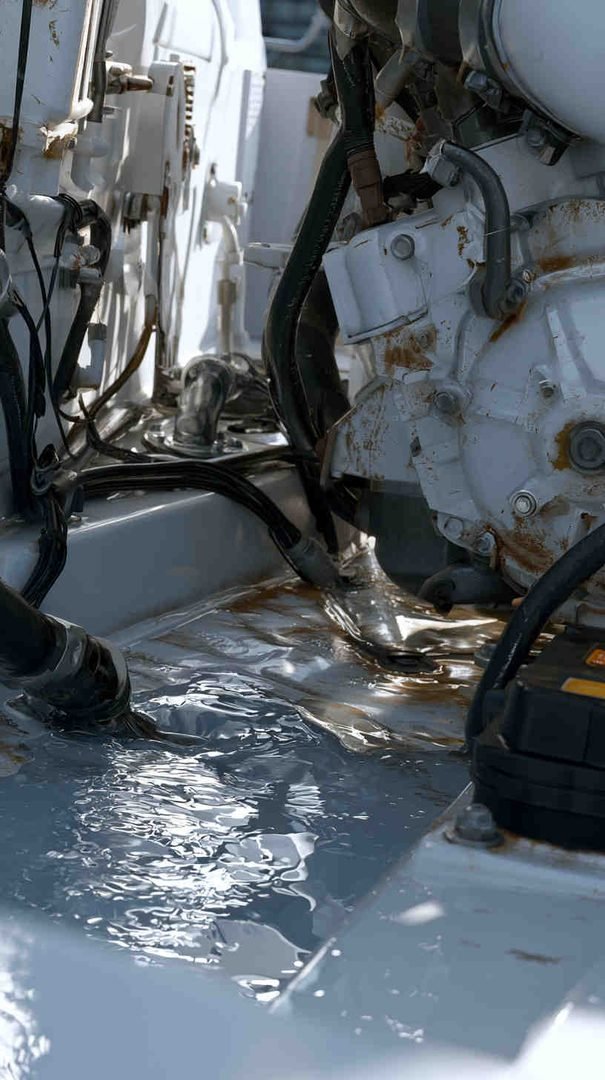
Some installations use a check valve near the pump outlet instead of, or in addition to, a vented loop. Check valves are notorious for two failure modes: they either stick open (allowing backflow, same problem as above) or they build up debris and restrict flow, causing water to pool in the hose and drain back slowly. Either way, the float switch reads this as “bilge is full” and triggers the pump again.
Check valves also add resistance to your pump’s output, which is worth knowing even if they’re working correctly — but a failing one is a very common trigger for repeated cycling.
3. A Dirty, Corroded, or Misaligned Float Switch
Automatic float switches work by mechanically or electronically detecting rising water. Over time, they accumulate oil film, sediment, and debris in the bilge, which can cause the float arm to hang up in a partially raised position or bounce with the boat’s motion. Even a small amount of residual water sloshing against a sensitive float, especially in choppy conditions or under sail on a heel, can be enough to trip it.
Electronic (solid-state) switches aren’t immune either — corrosion on the sensor contacts or a film of oily bilge water across the sensor pads can cause false triggering, since these switches often work by detecting conductivity between two points.
4. Wiring and Ground Faults
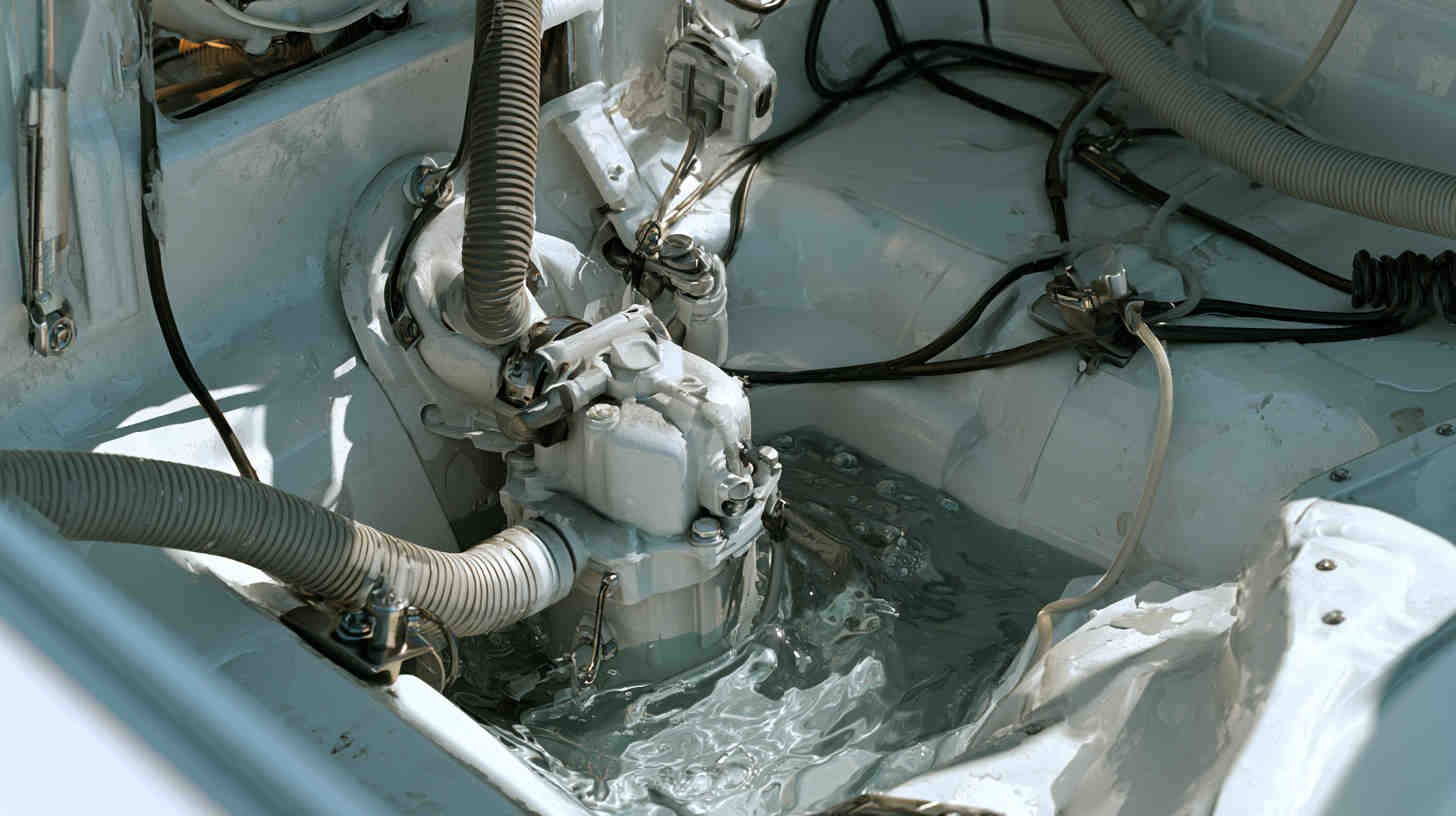
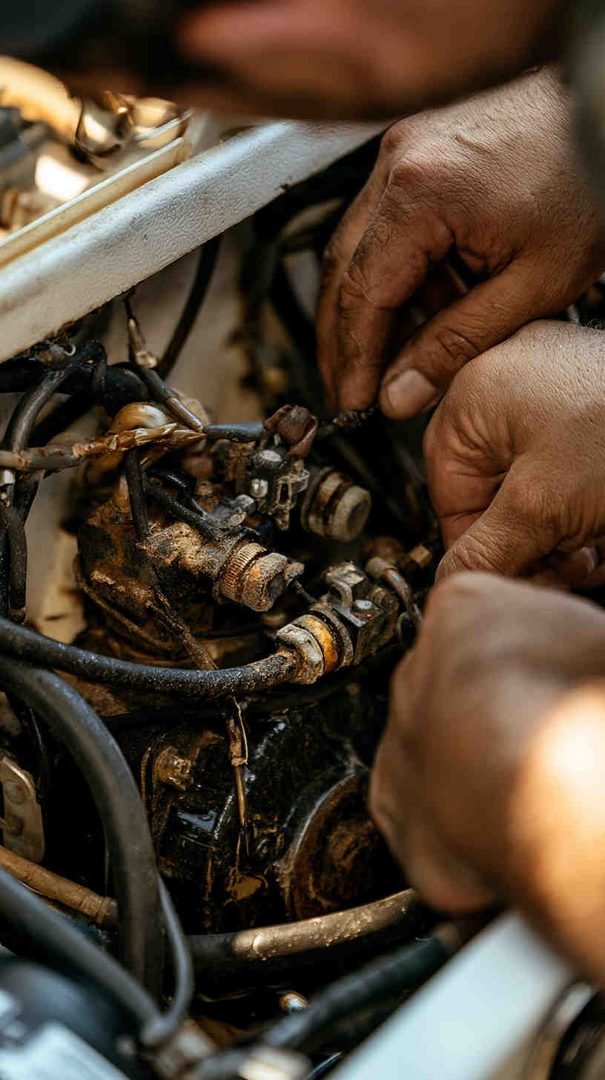
A loose, corroded, or chafed wire between the switch and the pump can cause intermittent signals that look exactly like normal cycling. This is especially common at the crimp connections near the bilge, where humidity and saltwater exposure are constant. A partial short to ground can cause the pump to fire briefly and then stop, mimicking a float switch response even when the switch itself is fine.
If you’ve recently done any wiring work near the bilge, battery bank, or panel, this is worth ruling out early.
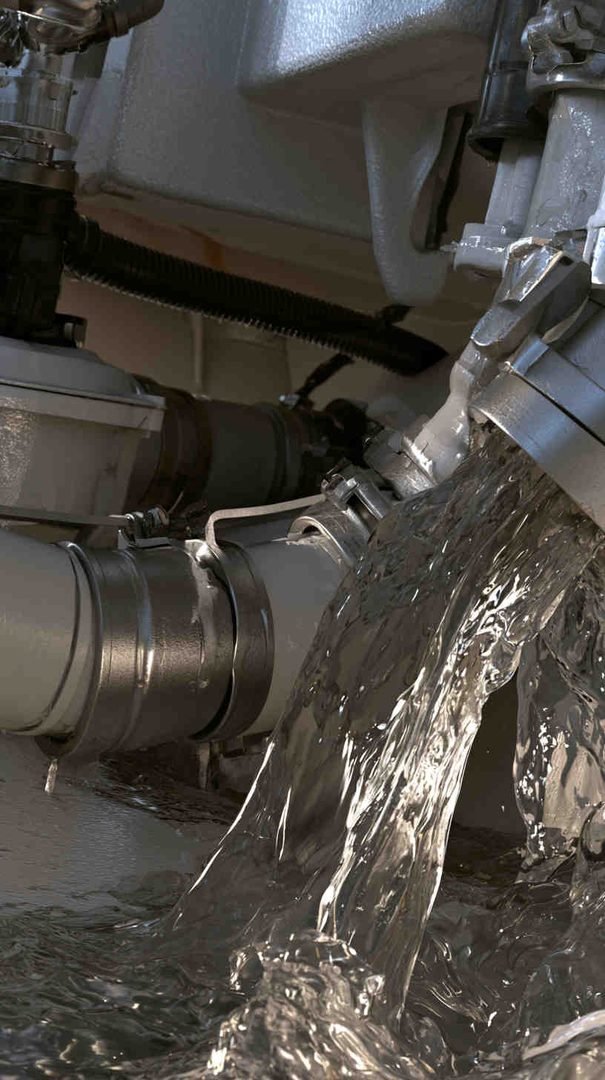
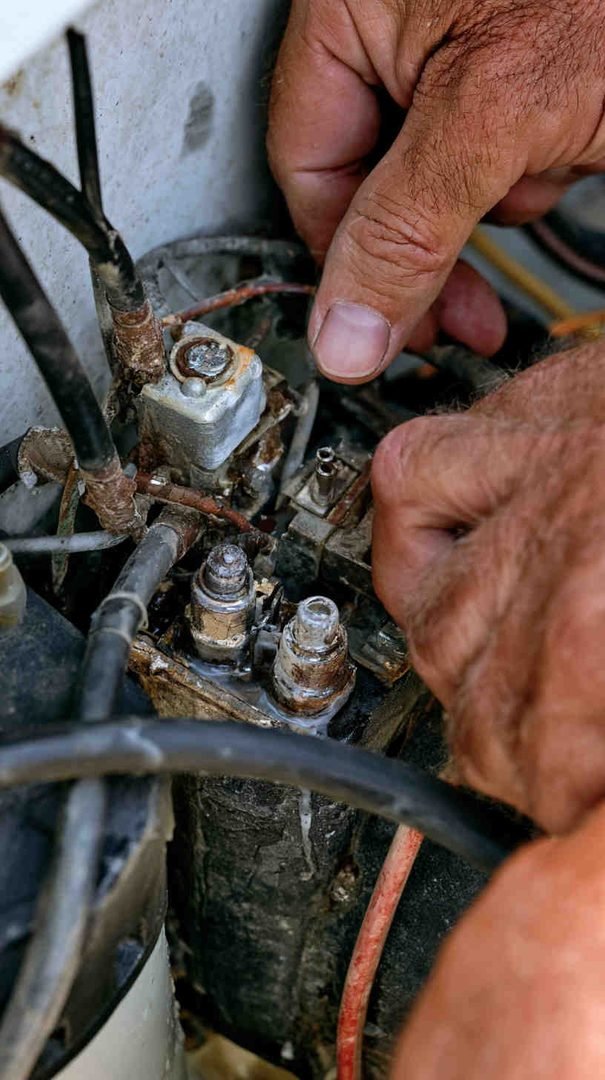

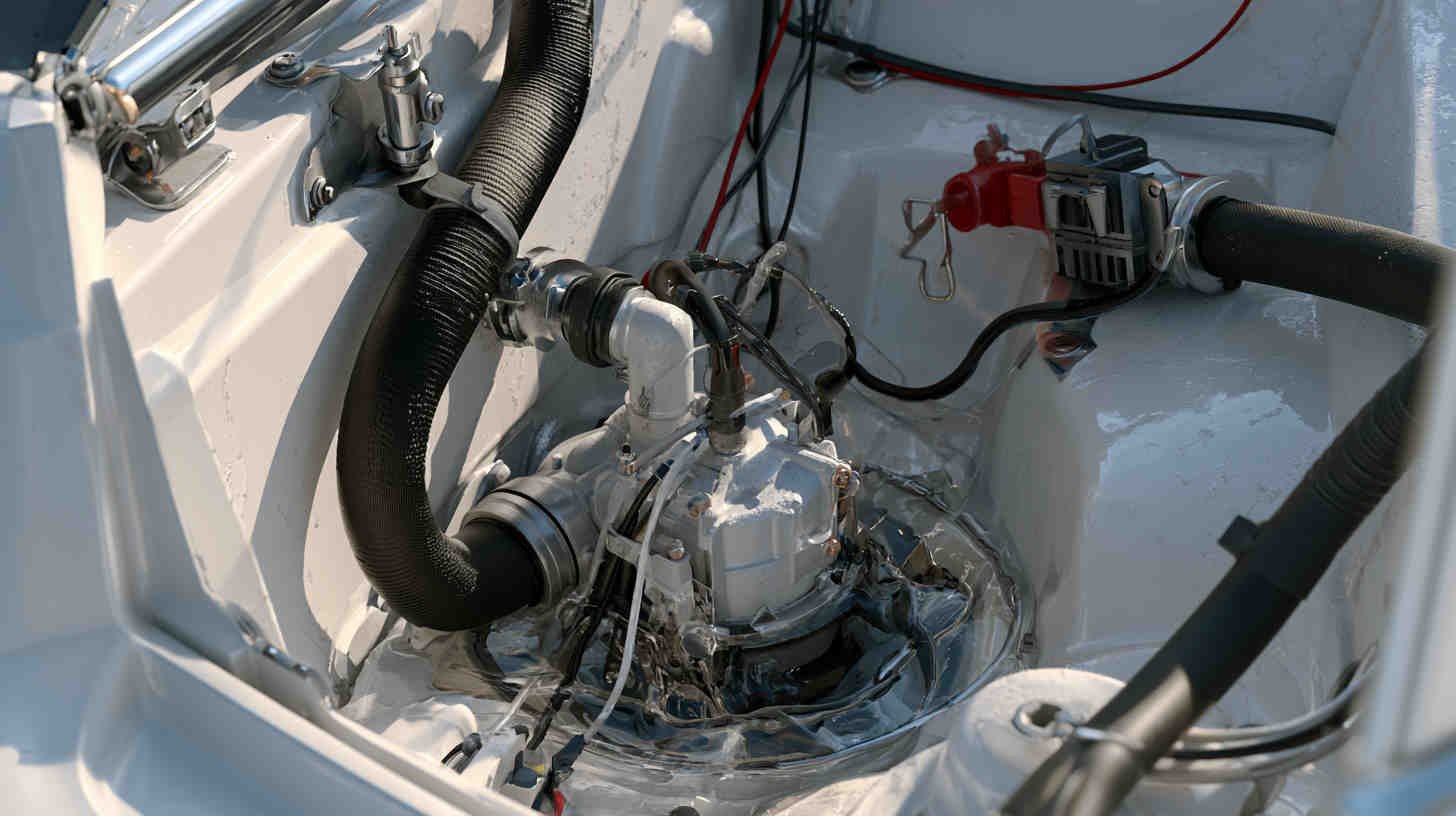
5. Deck or Hull Water Intrusion (Not the Bilge You Think)
Sometimes the water genuinely is real, but it isn’t coming from a hull leak — it’s coming from somewhere overhead. A leaking deck fitting, chainplate, stanchion base, or hatch seal can let rainwater or spray trickle down into the bilge over time, especially after a rainy night or a wet passage. The pump is doing exactly what it’s supposed to do; the actual problem is upstream.
6. Pump or Float Switch Sitting in a Low Spot That Never Fully Drains
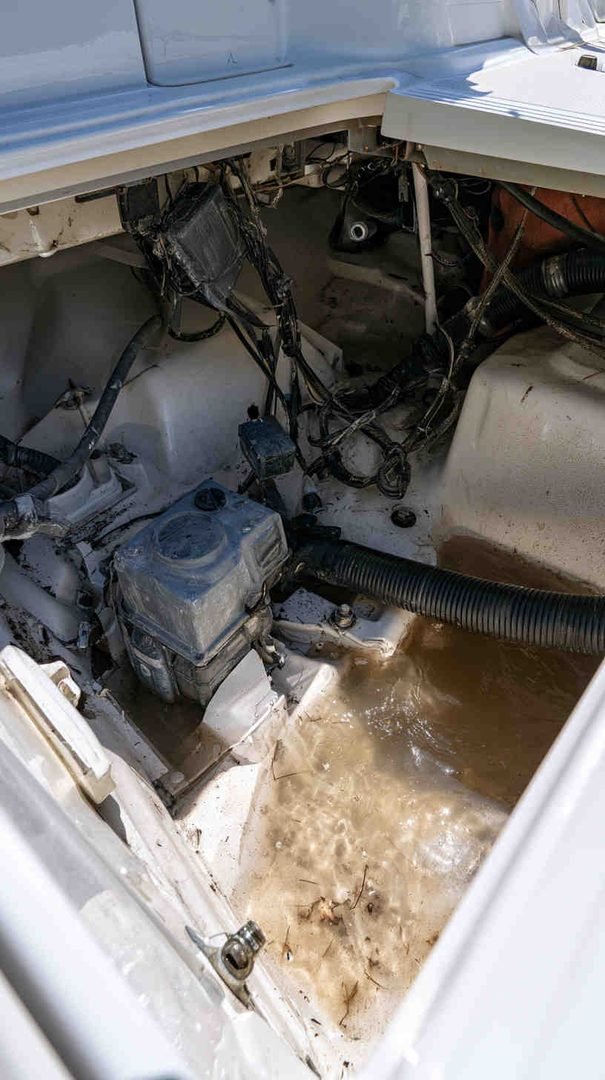
If your limber holes (the drainage channels that let water flow to the lowest point of the bilge) are clogged or poorly designed, water can pool around the switch in a low pocket that never fully empties, even though the rest of the bilge is dry. The float never fully drops, so it re-triggers almost immediately after each cycle.
How to Diagnose It Yourself
Before assuming the worst, work through this simple sequence:
- Dry the bilge completely with a towel or a hand pump, then watch it for 30–60 minutes without the automatic pump engaged (switch it to manual or disconnect briefly if safe to do so).
- Check the discharge loop and hose for cracks, a missing vent, or a loop that’s lower than it should be.
- Inspect the check valve, if one is installed, for debris or a failure to seal.
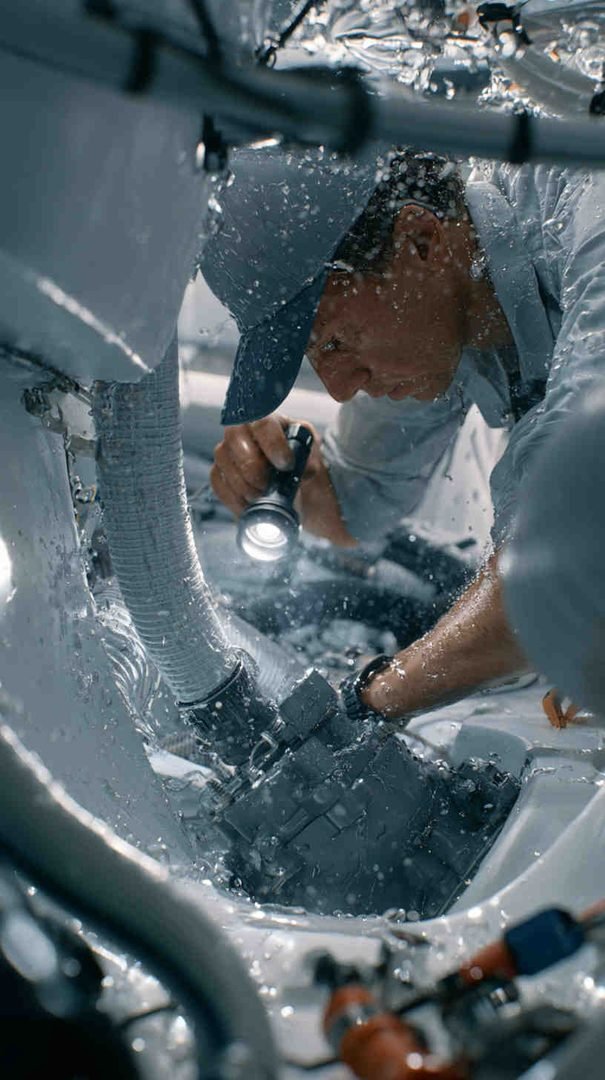
- Wiggle-test the wiring at the switch and pump connections while the boat is stable, watching for the pump firing unexpectedly.
- Look overhead, not just below, for signs of deck leaks after it rains.
- Clean the float switch and surrounding bilge area thoroughly, since oil and grime are common culprits.
Fixing It for Good
Once you’ve identified the cause, the fixes are usually straightforward:
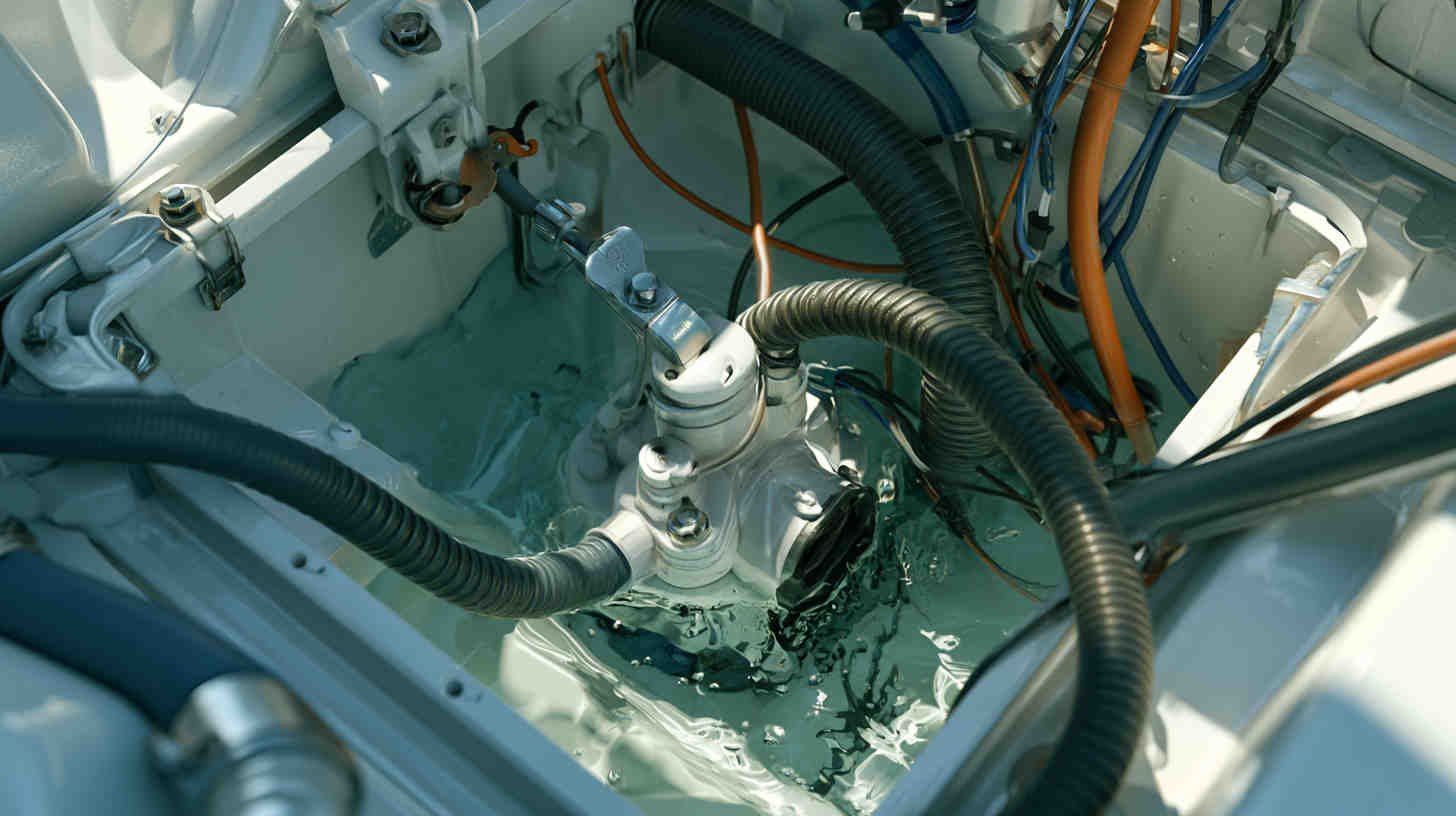
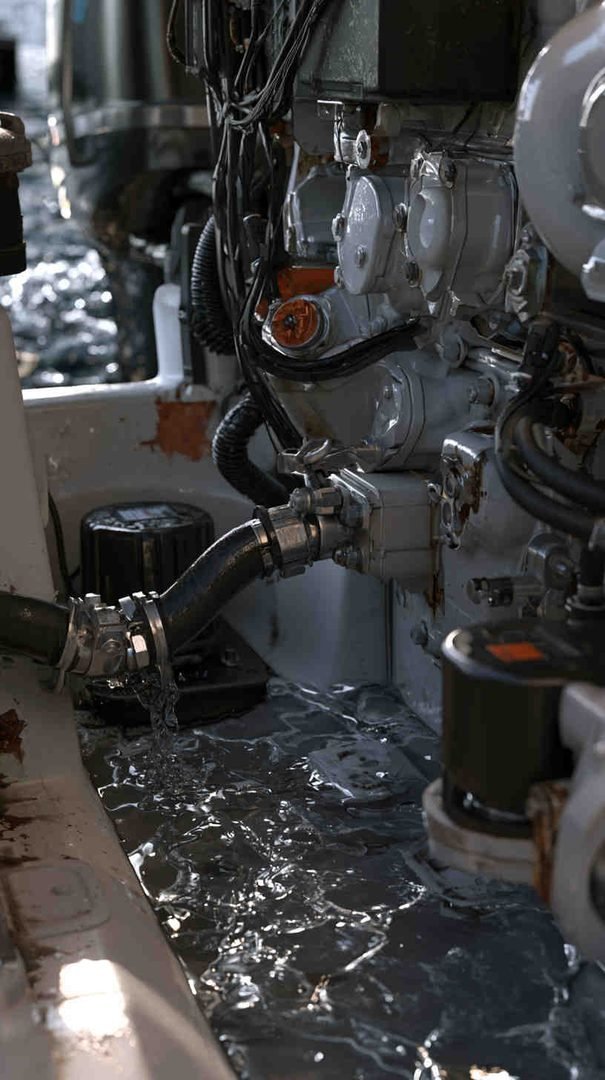


- Install or repair a proper vented loop above the waterline in the discharge line.
- Replace a sticking or debris-clogged check valve.
- Clean and test the float switch, and replace it if the float arm doesn’t move freely or the electronic contacts show corrosion.
- Re-terminate any suspect wiring with marine-grade heat-shrink connectors, and route it clear of standing water.
- Clear limber holes so water actually reaches the pump instead of pooling elsewhere.
- Track down and reseal deck-level leaks so you’re not treating a symptom instead of the source.
Why This Matters Beyond the Annoyance
A pump that cycles constantly isn’t just an irritation — it’s a slow drain on your battery bank, especially at anchor when you’re relying on stored power. It also accelerates wear on the pump’s motor and contacts, shortening its working life right when reliability matters most. And perhaps most importantly, a bilge pump that’s “crying wolf” trains you to tune it out — which is exactly the moment a real emergency is most likely to go unnoticed.
If your bilge pump keeps cycling on its own, it’s not being paranoid. It’s telling you, quite specifically, that something in the system — the loop, the valve, the switch, the wiring, or a leak point above the waterline — needs attention. Track it down methodically, and in most cases you’ll have a quiet, trustworthy bilge again within a single afternoon of work.
Happy Boating!
Share The real reason your bilge pump keeps cycling on its own with your friends and leave a comment below with your thoughts.
Read The hidden cost of skipping zinc anode checks every season until we meet in the next article.