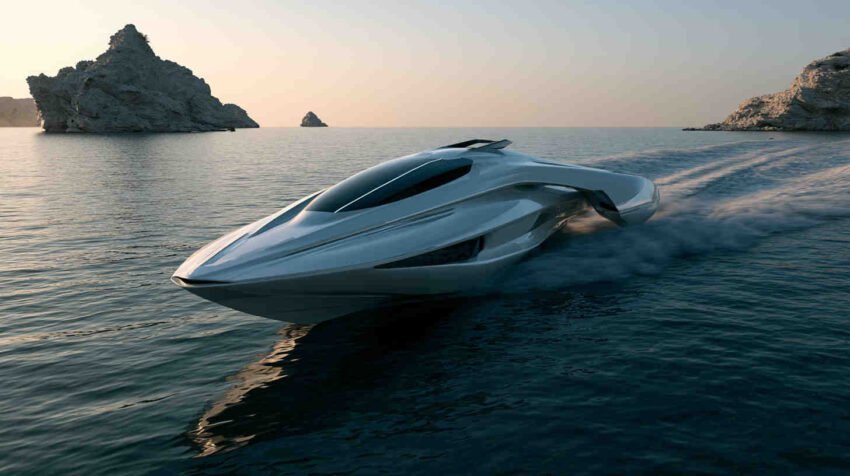
For decades, speedboats have been synonymous with roaring engines, thick exhaust fumes, and the unmistakable smell of gasoline drifting across the water. But a quieter, cleaner revolution is now reshaping the marine world. Hydrogen speedboats are emerging as one of the most exciting developments in sustainable transportation, offering the thrill of speed without the environmental cost. If you’ve been hearing this term more often and wondering what it actually means, this guide breaks it all down in simple terms.
What Is a Hydrogen Speedboat?






A hydrogen speedboat is a watercraft powered by hydrogen fuel instead of traditional gasoline or diesel. Rather than burning fossil fuel in a combustion engine, these boats use hydrogen gas to generate electricity, which then powers an electric motor that drives the propeller. The only byproduct released during this process is water vapor, making hydrogen speedboats one of the cleanest options available in high-performance marine transport.
Unlike conventional boats that rely on internal combustion, hydrogen speedboats combine the responsiveness of electric propulsion with the extended range benefits of a chemical fuel source. This makes them appealing not just to environmentalists, but also to boating enthusiasts who don’t want to compromise on performance.
How Does a Hydrogen Speedboat Work?
At the heart of a hydrogen speedboat is something called a hydrogen fuel cell. Here’s a simplified breakdown of the process:
- Hydrogen storage – Compressed hydrogen gas is stored in specialized tanks onboard the vessel.
- Fuel cell conversion – The stored hydrogen is fed into a fuel cell, where it reacts with oxygen from the air.
- Electricity generation – This chemical reaction produces electricity, along with heat and water vapor as the only exhaust.
- Powering the motor – The generated electricity powers an electric motor, which spins the propeller and moves the boat forward.
This system is quiet, efficient, and remarkably clean compared to traditional fuel-burning engines. Because the reaction doesn’t involve combustion, there’s no need for a muffler system to manage loud engine noise, and there are no harmful emissions like carbon dioxide, nitrogen oxides, or particulate matter released into the air or water.
What Is an Electric Boat?
To fully understand hydrogen speedboats, it helps to understand their close cousin: the electric boat. An electric boat is any watercraft that uses an electric motor for propulsion instead of a traditional combustion engine. Power for the motor typically comes from onboard batteries that are charged before use, similar to how an electric car works.
Electric boats have become increasingly popular in recent years due to their low operating costs, minimal maintenance requirements, and near-silent operation. They’re commonly used for leisure cruising, fishing, and short-distance travel on lakes, rivers, and calm coastal waters.


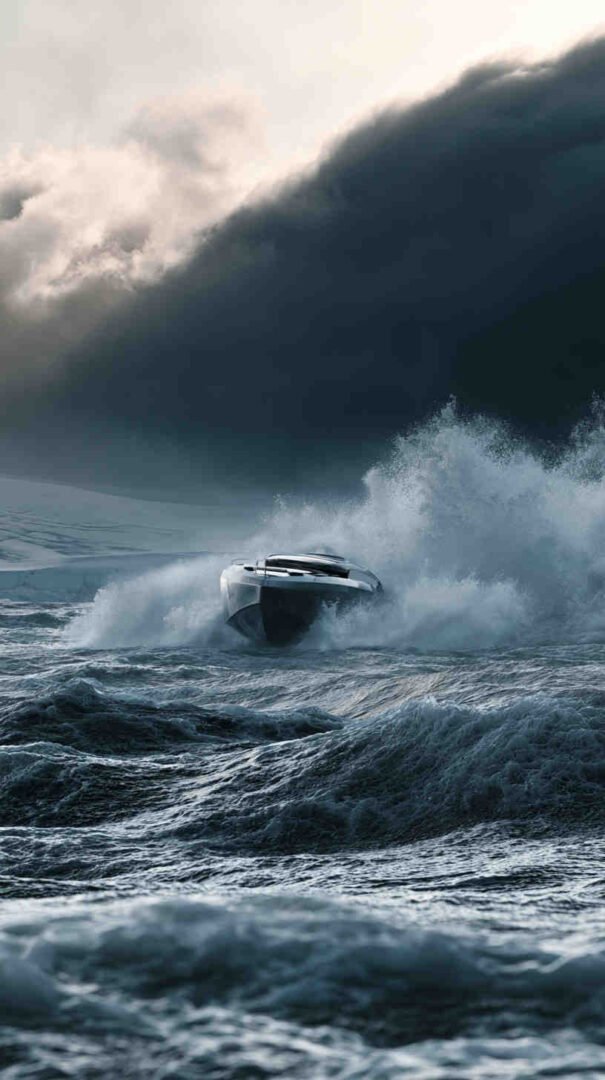

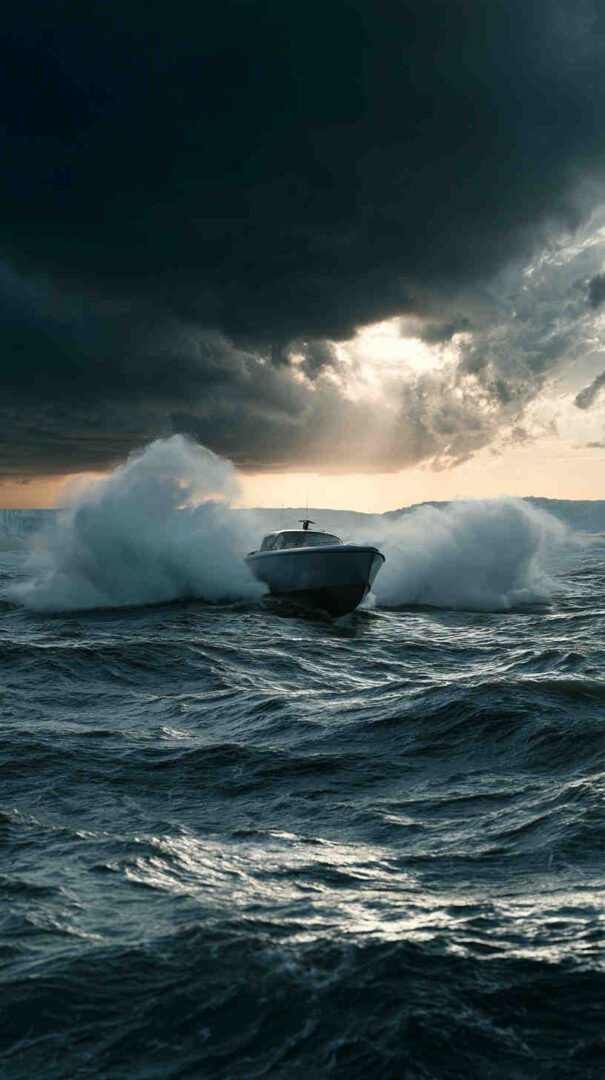
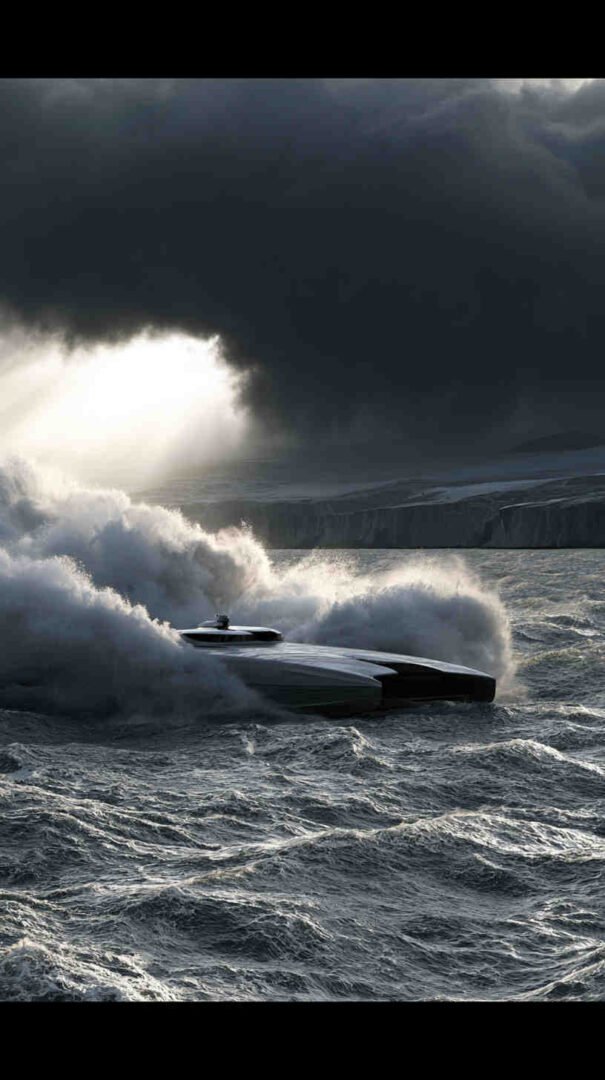
Hydrogen Speedboats vs. Battery-Electric Boats
While both hydrogen speedboats and battery-electric boats fall under the broader category of “electric propulsion,” they differ in a few important ways:
- Energy Source Battery-electric boats store energy directly in heavy battery packs, while hydrogen speedboats generate electricity on demand through a fuel cell reaction using stored hydrogen gas.
- Range and Refueling One of the biggest advantages hydrogen speedboats offer over battery-powered alternatives is range. Batteries can be heavy and take a long time to recharge, which can limit how far a boat can travel before needing to stop. Hydrogen tanks, on the other hand, can often be refueled much faster than batteries can be recharged, and hydrogen holds more energy per unit of weight, making it attractive for longer journeys or higher-speed performance.
- Weight Considerations Batteries add significant weight to a vessel, which can affect speed and handling. Hydrogen fuel cell systems can potentially offer a better power-to-weight ratio, which matters a lot in speedboats where performance is a priority.
- Environmental Output Both systems are far cleaner than gasoline or diesel engines. However, hydrogen fuel cells produce only water vapor as a byproduct, while battery production and disposal come with their own separate environmental considerations.
Why Hydrogen Speedboats Are Gaining Popularity
Several factors are driving interest in hydrogen-powered watercraft:
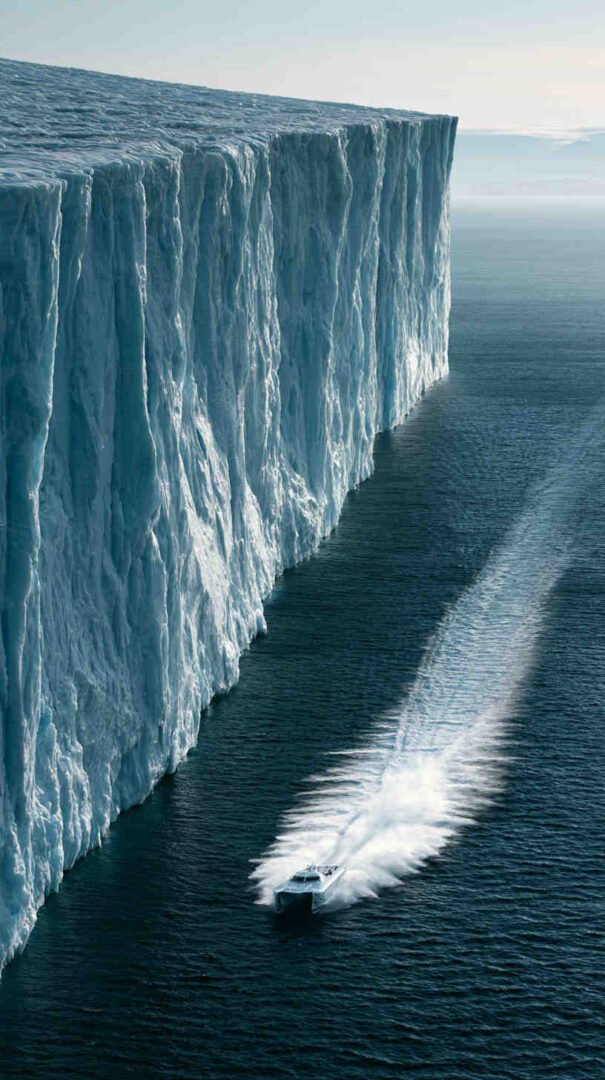
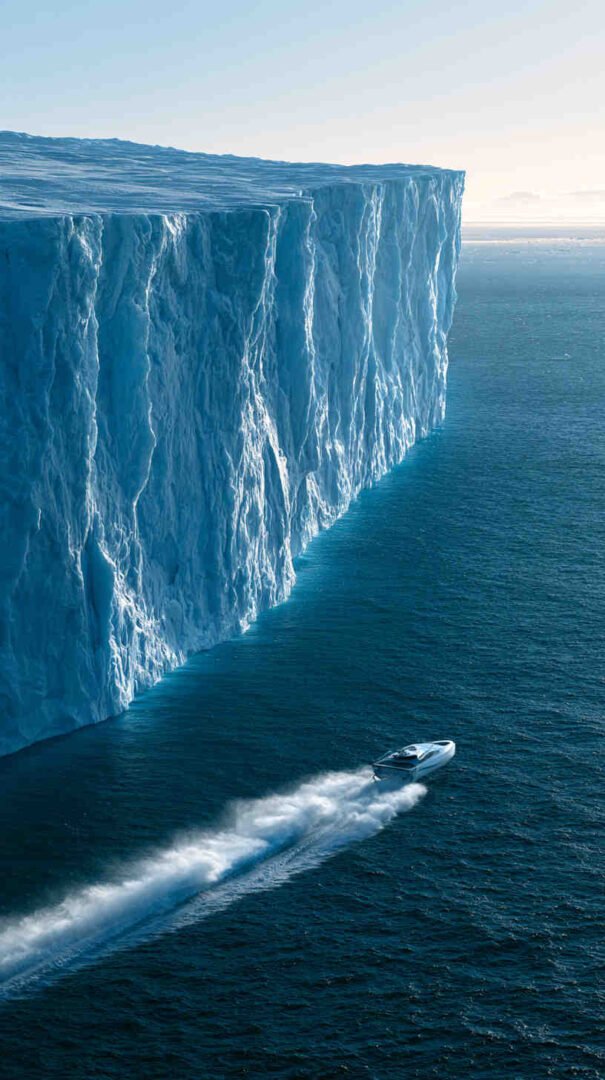
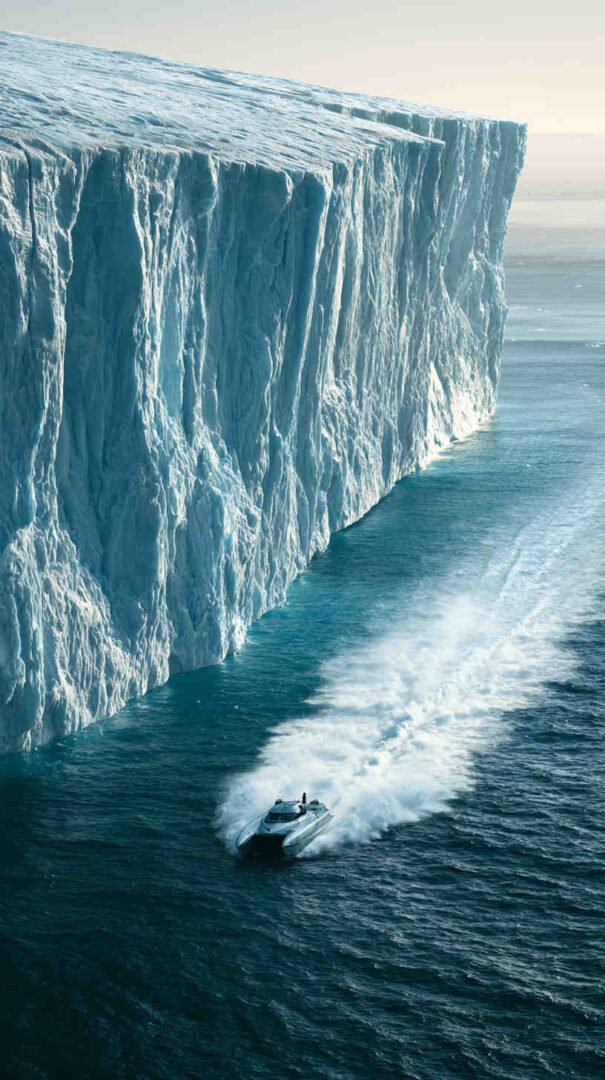
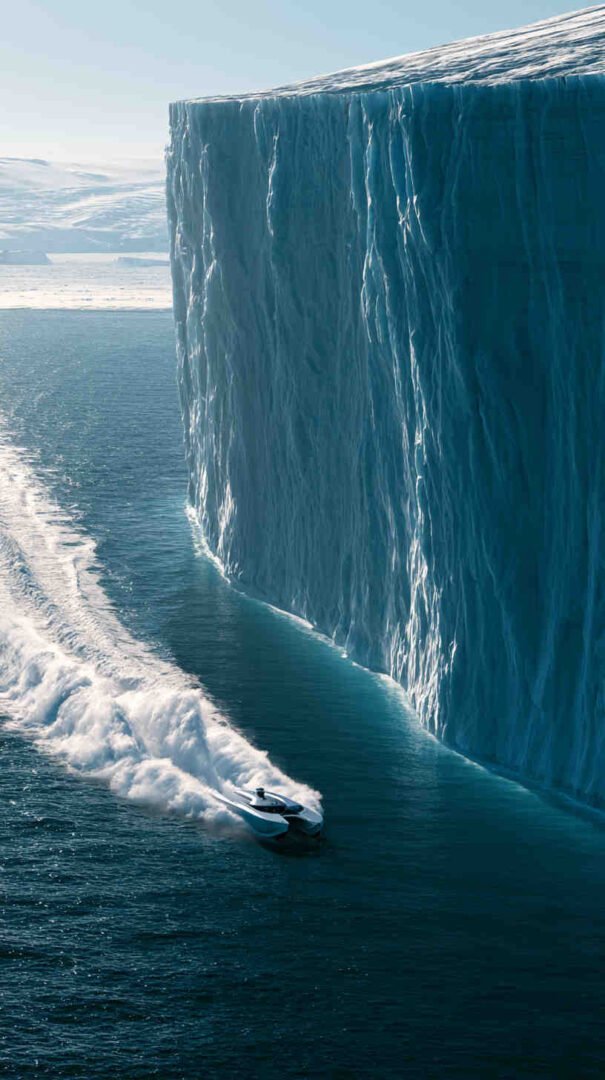
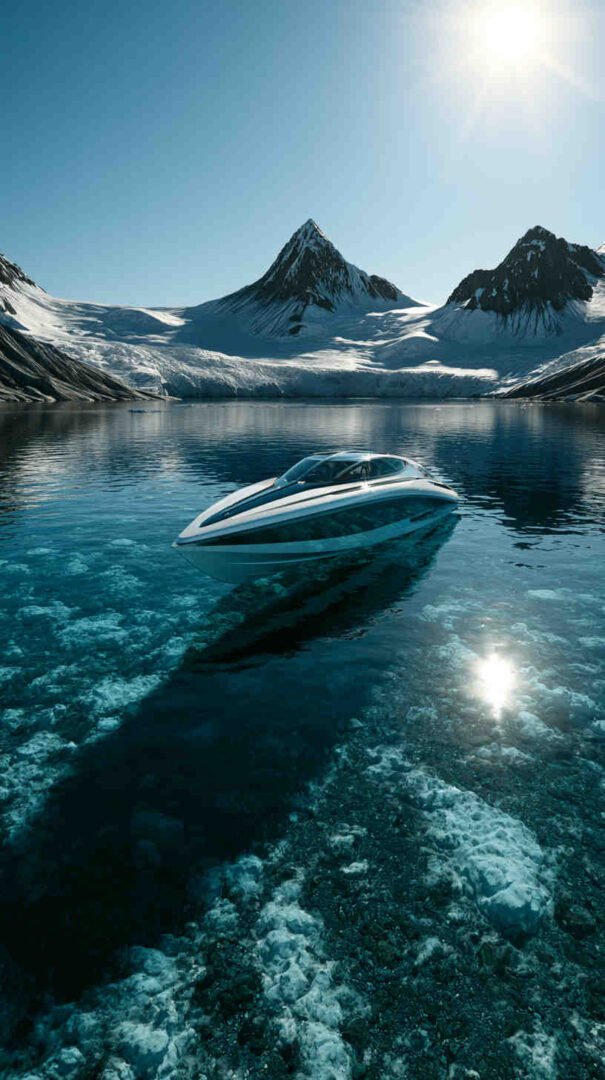
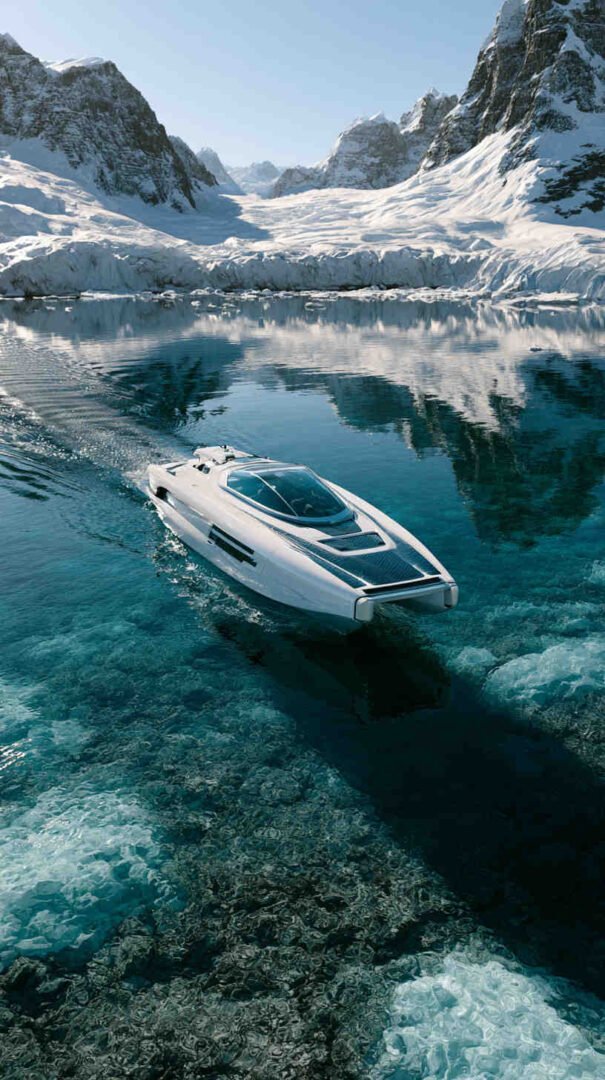
- Zero Harmful Emissions Since the only byproduct of the hydrogen fuel cell reaction is water, these boats produce none of the greenhouse gases or air pollutants associated with traditional marine engines. For coastal cities and popular boating destinations dealing with water and air quality concerns, this is a major advantage.
- Quiet Operation Hydrogen speedboats run remarkably quietly compared to gas-powered engines. This creates a more peaceful experience for passengers and reduces noise pollution in marinas, lakes, and coastal ecosystems where marine life can be sensitive to loud engine sounds.
- Longer Range Potential Compared to purely battery-powered boats, hydrogen fuel cell systems can potentially offer extended range, since hydrogen stores more energy relative to its weight than most current battery technologies.
- Fast Refueling Refueling a hydrogen tank can be significantly quicker than recharging a large marine battery pack, which is a major convenience factor for anyone who uses their boat frequently or for longer trips.
- Growing Environmental Regulations As governments and coastal municipalities introduce stricter emissions standards for watercraft, hydrogen and electric propulsion systems are becoming more attractive alternatives to traditional combustion engines.
Challenges Facing Hydrogen Speedboat Technology
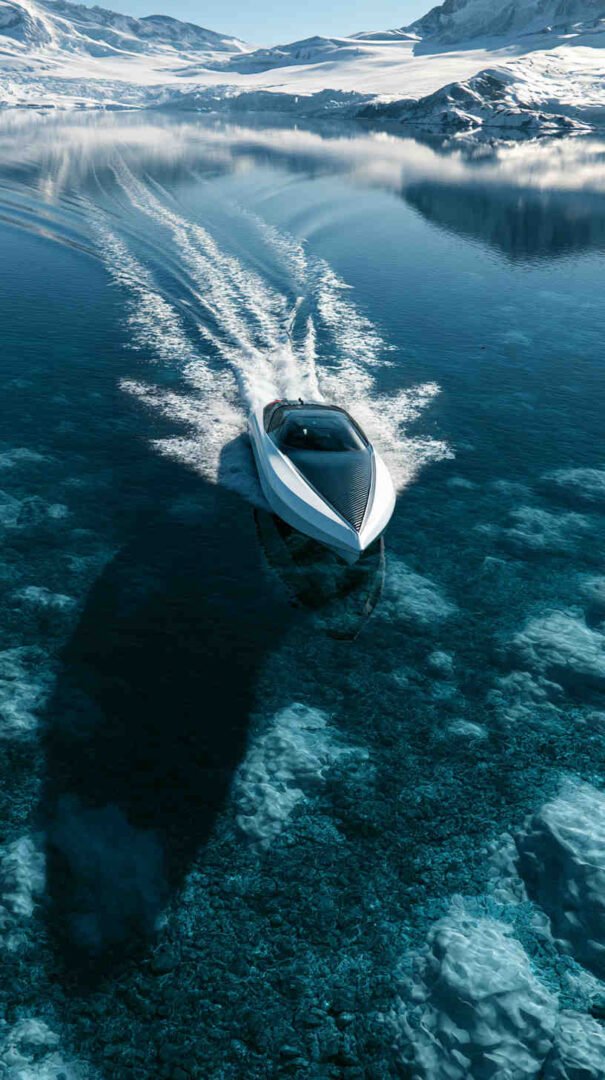
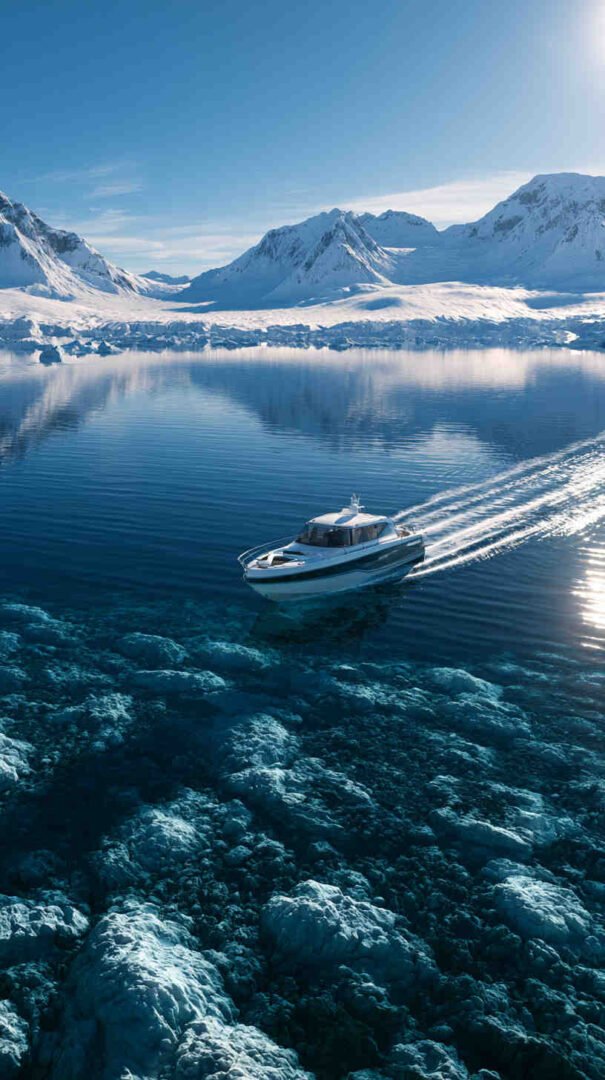



Like any emerging technology, hydrogen speedboats face a few hurdles before becoming mainstream:
- Infrastructure – Hydrogen refueling stations for marine use are still limited compared to traditional fuel docks.
- Production Cost – Hydrogen fuel cell systems and storage tanks currently come with a higher upfront cost than conventional engines.
- Hydrogen Production – The environmental benefit of hydrogen depends heavily on how the hydrogen itself is produced. Hydrogen generated using renewable energy (often called “green hydrogen”) offers the greatest environmental benefit.
- Storage Safety – Compressed hydrogen requires specialized, well-engineered tanks and safety systems, since hydrogen is a highly flammable gas.
Despite these challenges, ongoing advancements in fuel cell efficiency, tank design, and renewable hydrogen production are steadily making this technology more accessible and practical.
The Future of Hydrogen-Powered Watercraft
As battery and fuel cell technologies continue to improve, hydrogen speedboats are expected to become faster, more affordable, and more widely available. Boat manufacturers around the world are investing in research and development to refine hydrogen propulsion systems, aiming to combine the excitement of speedboating with a genuinely sustainable footprint.


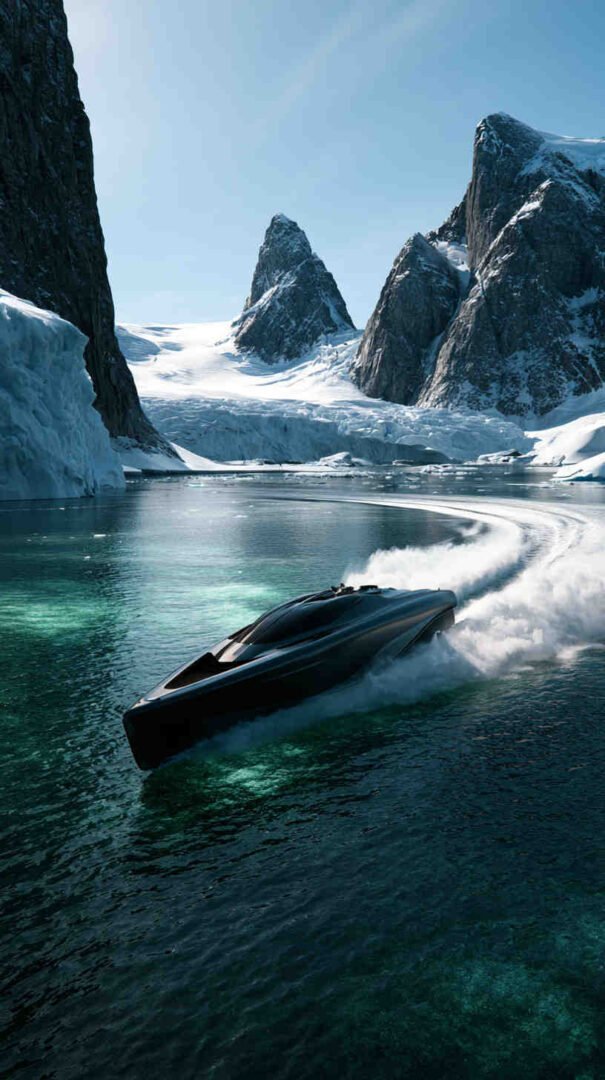
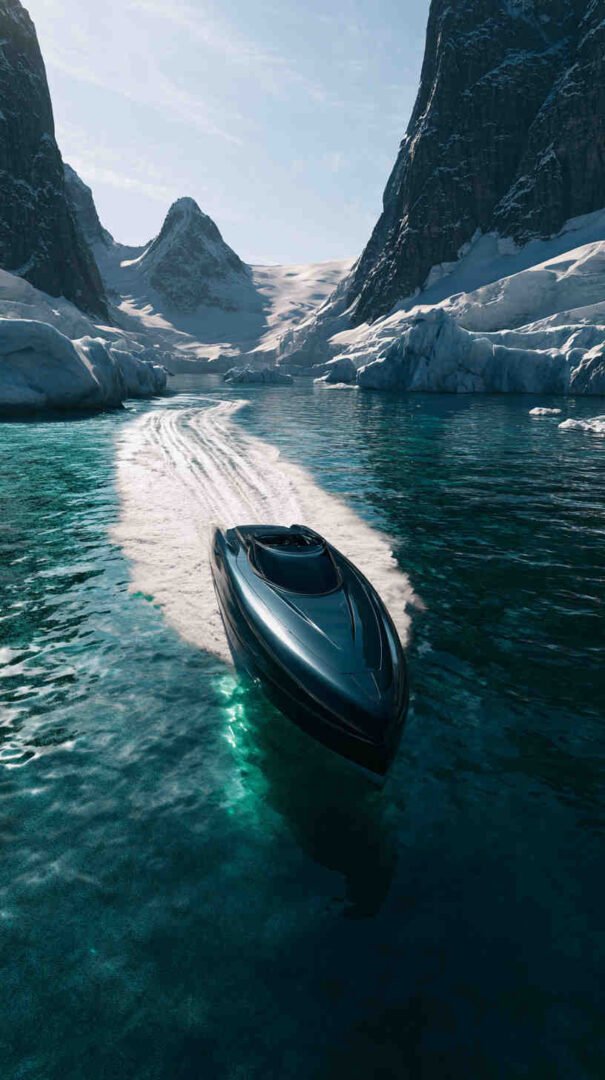
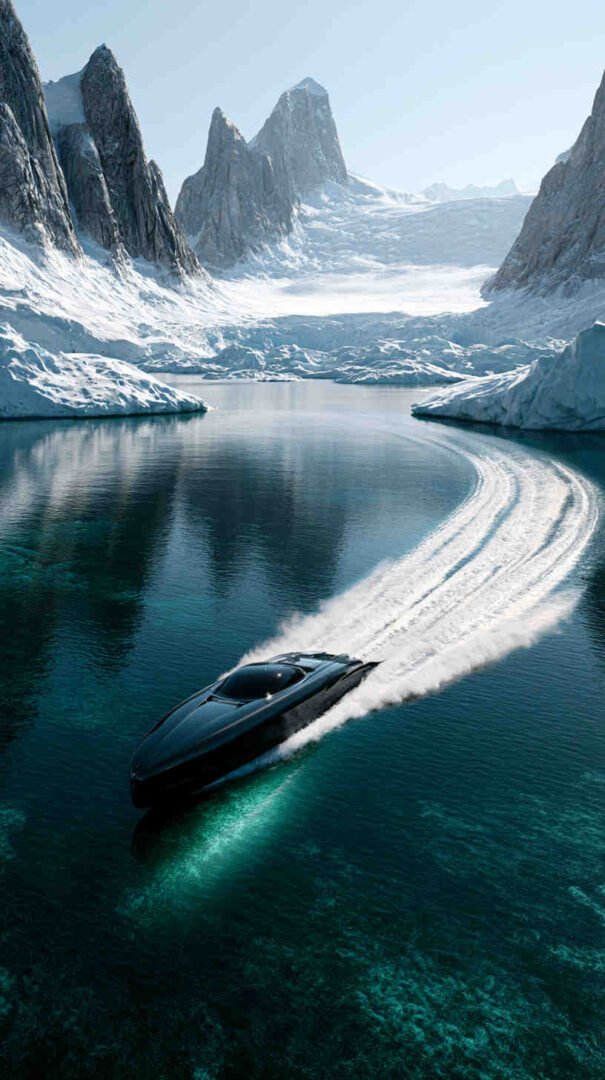
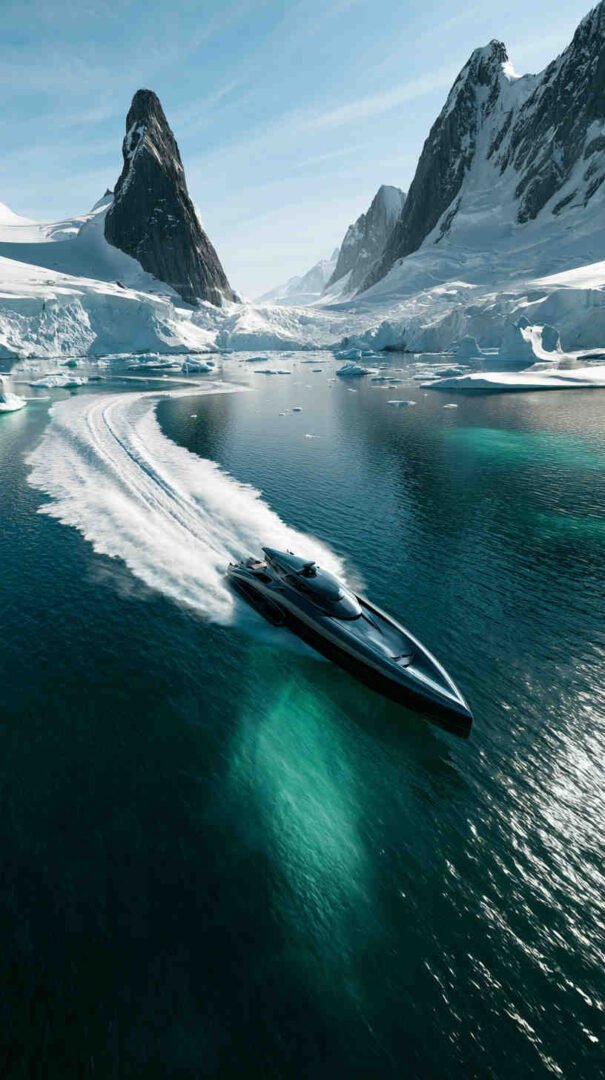
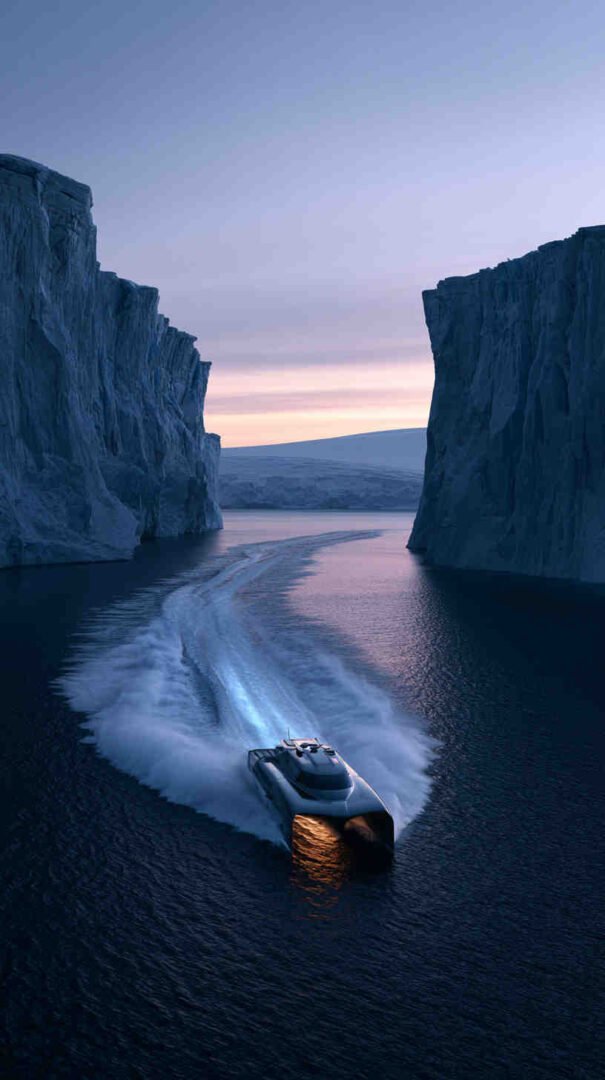
For boating enthusiasts, this shift represents more than just an environmental upgrade — it’s a glimpse into a future where speed, performance, and sustainability no longer have to be at odds. Whether it’s a sleek hydrogen-powered speedboat cutting silently across open water or an electric boat gliding peacefully along a calm lake, clean marine propulsion is quickly moving from concept to reality.
Final Thoughts
Hydrogen speedboats represent an exciting intersection of performance and sustainability. By converting hydrogen into electricity through a fuel cell rather than relying on traditional combustion, these vessels offer a cleaner, quieter, and increasingly practical alternative to gasoline-powered boats. As infrastructure expands and technology matures, hydrogen speedboats may well become a common sight on waterways around the world — proving that going green doesn’t mean slowing down.
Happy Boating!
Share Hydrogen Speedboat Wallpaper with your friends and leave a comment below with your thoughts.
Read Hydrogen Electric Boat Wallpaper until we meet in the next article.