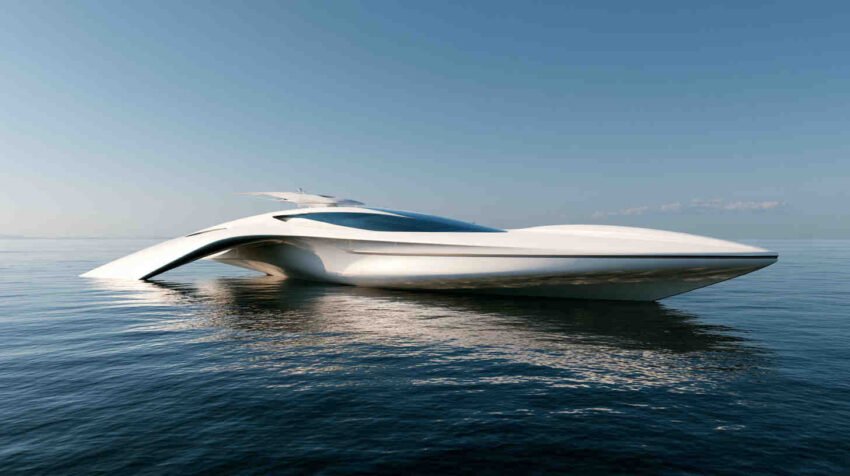
The boating industry is going through a quiet revolution. For more than a century, boats have relied on diesel and petrol engines that pollute waterways, generate noise, and depend on fossil fuels. Today, a new generation of watercraft is changing that story. The hydrogen electric boat is emerging as one of the most promising innovations in marine transportation, combining the instant torque of electric propulsion with the extended range of hydrogen fuel cells. In this article, we break down what a hydrogen electric boat actually is, how it works, and why it matters for the future of boating.
What Is an Electric Boat?

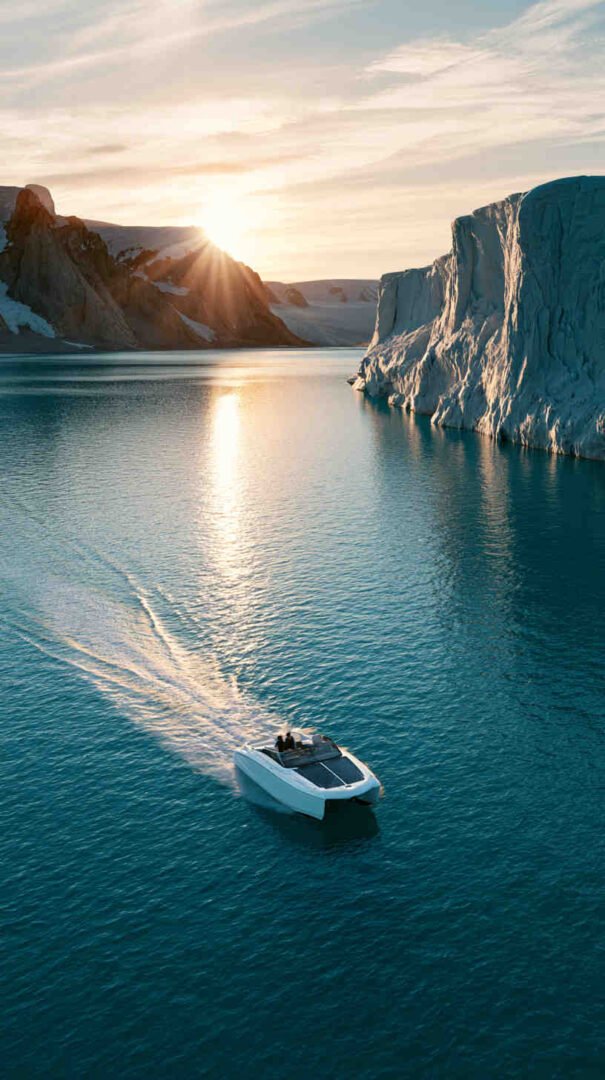


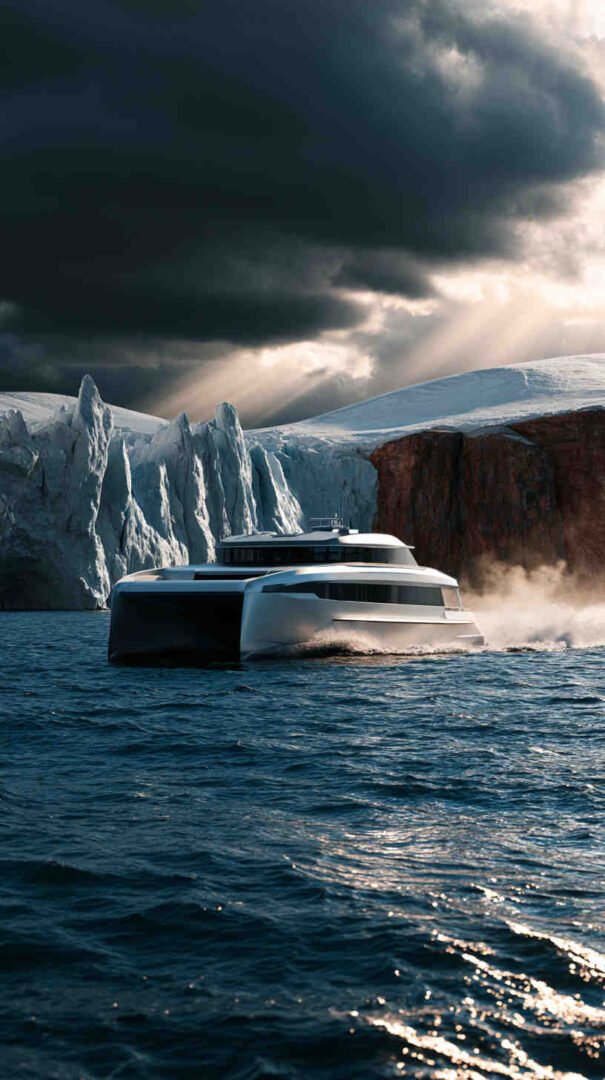

Before diving into hydrogen technology, it helps to understand the basics of an electric boat. An electric boat is a watercraft powered by an electric motor instead of a traditional combustion engine. Rather than burning petrol or diesel, electric boats draw energy from onboard batteries or fuel cells to turn a propeller.
Electric boats offer several advantages over conventional boats. They run almost silently, produce zero direct emissions, and require far less maintenance because they have fewer moving parts. There is no oil to change, no exhaust system to maintain, and no risk of fuel spills into the water. For lakes, rivers, and coastal areas where noise and pollution are growing concerns, electric boats have become an increasingly popular choice for both recreational and commercial use.
However, standard battery-electric boats have one significant limitation: range. Batteries are heavy, and charging them takes time. This is where hydrogen technology enters the picture.
What Is a Hydrogen Electric Boat?
A hydrogen electric boat is a type of electric boat that uses hydrogen fuel cells, either alone or alongside batteries, to generate the electricity needed to power its motor. Instead of relying solely on a large battery pack that must be plugged in and recharged, a hydrogen electric boat carries compressed hydrogen gas onboard. This hydrogen is converted into electricity through a chemical process inside a fuel cell, and that electricity drives the boat’s electric motor.
In simple terms, a hydrogen electric boat is still an electric boat. The propulsion system is electric from motor to propeller. The difference lies in how that electricity is produced. Rather than storing all the required energy in heavy batteries, the boat generates power on demand from hydrogen, much like a portable power plant sitting inside the hull.

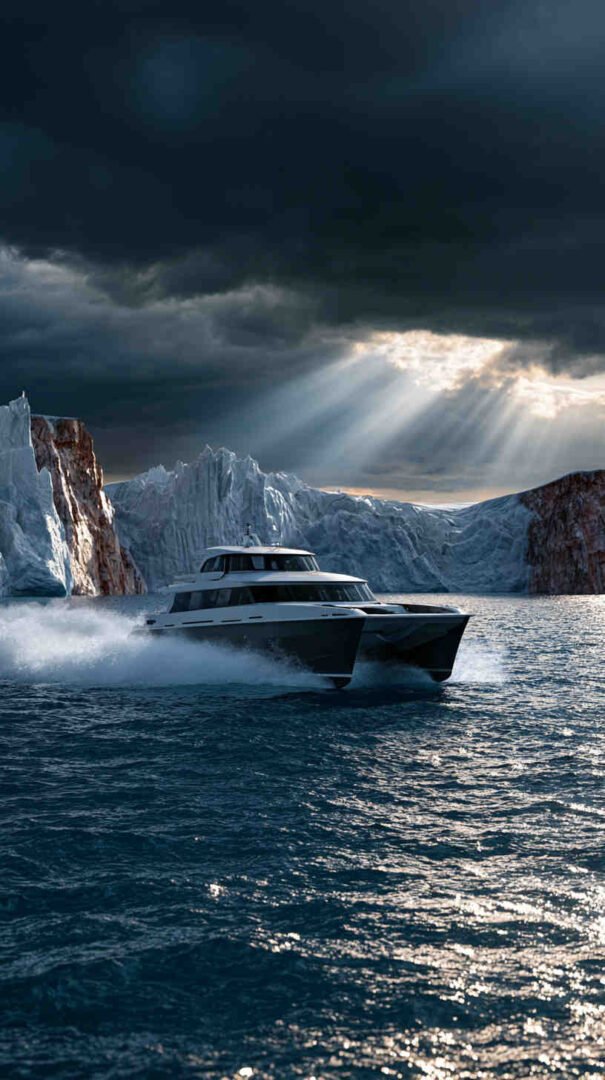




This hybrid approach gives hydrogen electric boats the best of both worlds: the smooth, quiet, low-maintenance performance of an electric motor, combined with a refueling process that can be faster than recharging a large battery bank, and a range that rivals traditional fuel-powered vessels.
How Does a Hydrogen Electric Boat Work?
The core of a hydrogen electric boat is the hydrogen fuel cell. Here is a simplified breakdown of the process:
- Hydrogen storage: Compressed hydrogen gas is stored in reinforced tanks onboard the vessel, similar in principle to how compressed natural gas is stored in some vehicles.
- The fuel cell reaction: Hydrogen from the tank is fed into a fuel cell, where it reacts with oxygen drawn from the surrounding air. This electrochemical reaction produces electricity, heat, and water vapor as the only byproducts.
- Powering the motor: The electricity generated by the fuel cell is sent to the boat’s electric motor, which turns the propeller and moves the vessel through the water.
- Battery buffering: Many hydrogen electric boats also include a smaller battery pack that stores excess electricity and delivers bursts of power during acceleration, while the fuel cell handles steady, long-range cruising.
Because the only real byproduct of this reaction is water vapor, hydrogen electric boats produce no carbon emissions at the point of use. This makes them one of the cleanest forms of marine transportation currently being developed.



Why Hydrogen Electric Boats Matter
Zero Local Emissions
Traditional boat engines emit carbon dioxide, nitrogen oxides, and particulate matter directly into sensitive marine and freshwater ecosystems. Hydrogen electric boats eliminate this problem at the source. Since the fuel cell reaction only produces water vapor, these vessels can operate in environmentally protected zones, nature reserves, and densely populated harbors without contributing to air or water pollution.
Extended Range Compared to Battery-Only Boats
One of the biggest challenges facing fully battery-powered boats is energy density. Batteries are heavy relative to the amount of energy they store, which limits how far a boat can travel before needing a lengthy recharge. Hydrogen, by contrast, stores significantly more energy per kilogram than lithium-ion batteries. This allows hydrogen electric boats to travel longer distances without adding excessive weight, making them a practical option for ferries, patrol vessels, and long-distance cruising.
Faster Refueling Than Charging
Recharging a large marine battery pack can take several hours, depending on the charging infrastructure available. Refueling a hydrogen tank, on the other hand, can often be completed in a fraction of that time, much like refueling a conventional fuel tank. For commercial operators who cannot afford long downtime between trips, this is a major operational advantage.
Quiet, Smooth Performance
Like all electric boats, hydrogen electric boats benefit from the inherent smoothness of electric motors. There is no engine vibration, no exhaust noise, and instant torque delivery. This creates a more pleasant experience for passengers and reduces underwater noise pollution, which is known to disturb marine wildlife such as fish and marine mammals.
Lower Long-Term Maintenance






With fewer moving mechanical parts than a combustion engine, hydrogen electric boats typically require less routine maintenance. There is no oil to change, no complex exhaust system, and reduced wear on mechanical components, which can lower the total cost of ownership over the life of the vessel.
Applications of Hydrogen Electric Boats
Hydrogen electric boat technology is being adopted across several sectors:
- Passenger ferries: Coastal cities are testing hydrogen-powered ferries to reduce harbor pollution while maintaining reliable schedules.
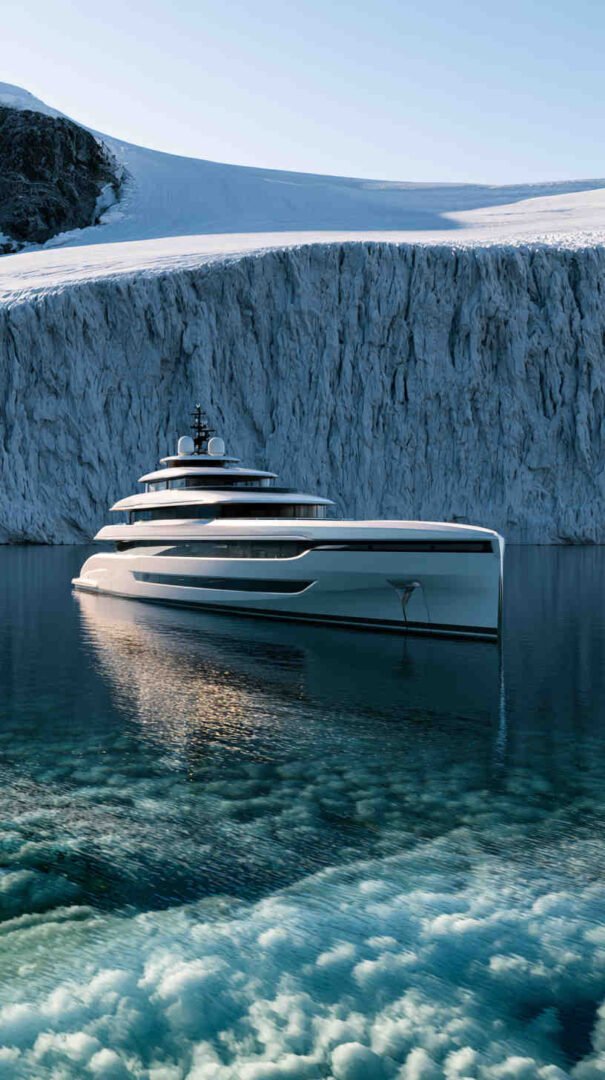
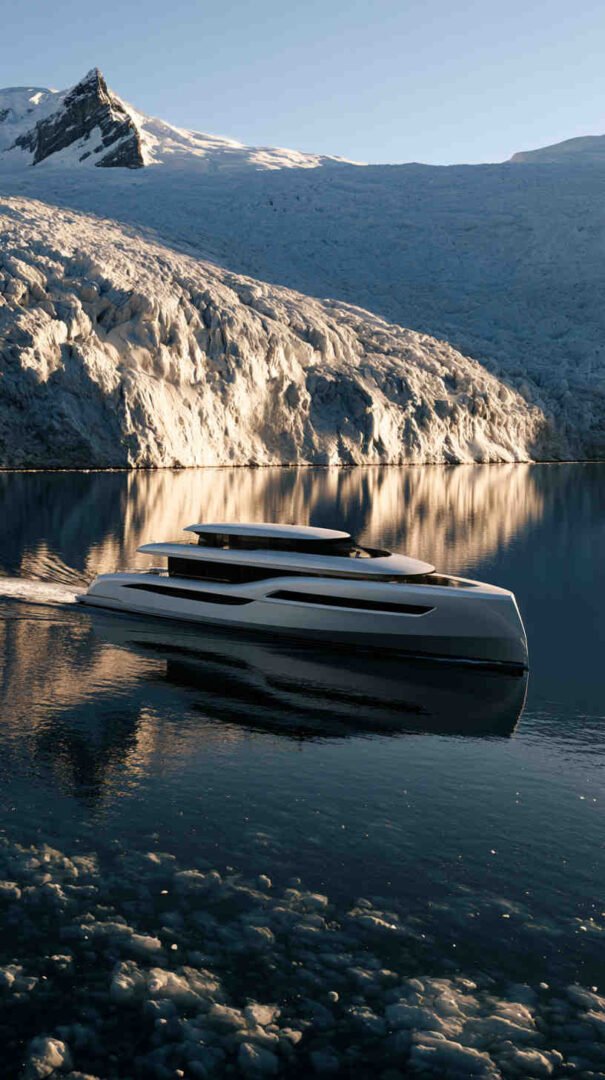
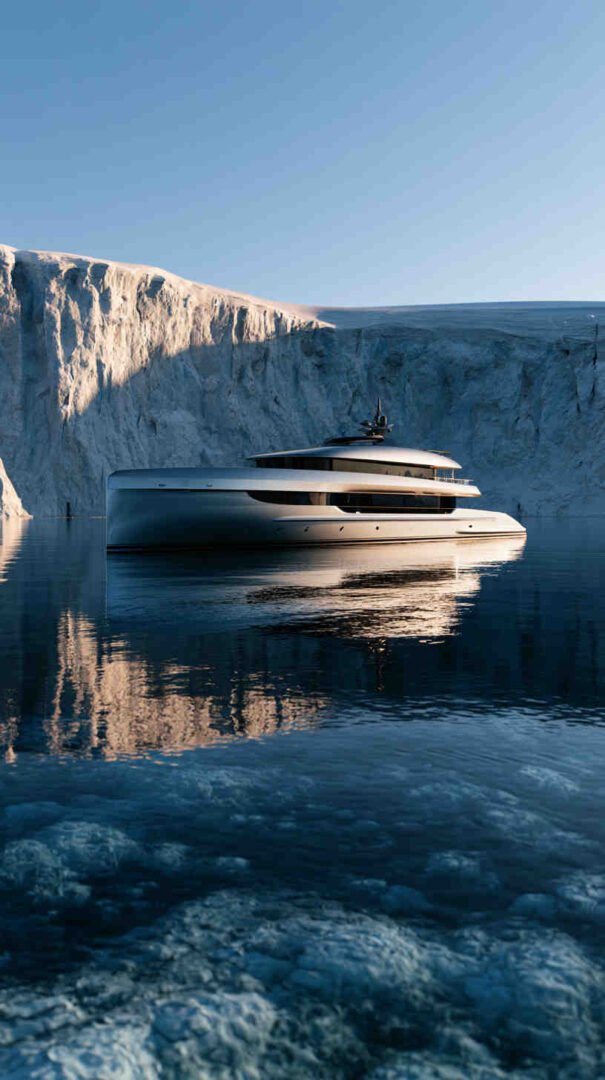
- Recreational yachts: Luxury boat builders are integrating hydrogen fuel cells to offer silent, emissions-free cruising for private owners.
- Research and patrol vessels: Government and scientific agencies are exploring hydrogen propulsion for vessels operating in protected marine environments where emissions must be minimized.
- Cargo and logistics: Short-haul cargo transport on rivers and canals is beginning to explore hydrogen systems as a way to decarbonize freight movement.
Challenges Facing Hydrogen Electric Boats
Despite their promise, hydrogen electric boats face real hurdles before they become mainstream. Hydrogen refueling infrastructure at marinas and ports is still limited compared to traditional fuel docks. Producing, storing, and transporting hydrogen safely requires specialized equipment, and the upfront cost of fuel cell systems remains higher than conventional engines. Additionally, most hydrogen produced today is not yet “green hydrogen,” meaning the environmental benefit depends heavily on how the hydrogen itself is produced.
As renewable energy sources expand and green hydrogen production becomes more affordable, these barriers are expected to ease, paving the way for wider adoption.


The Future of Hydrogen Electric Boats
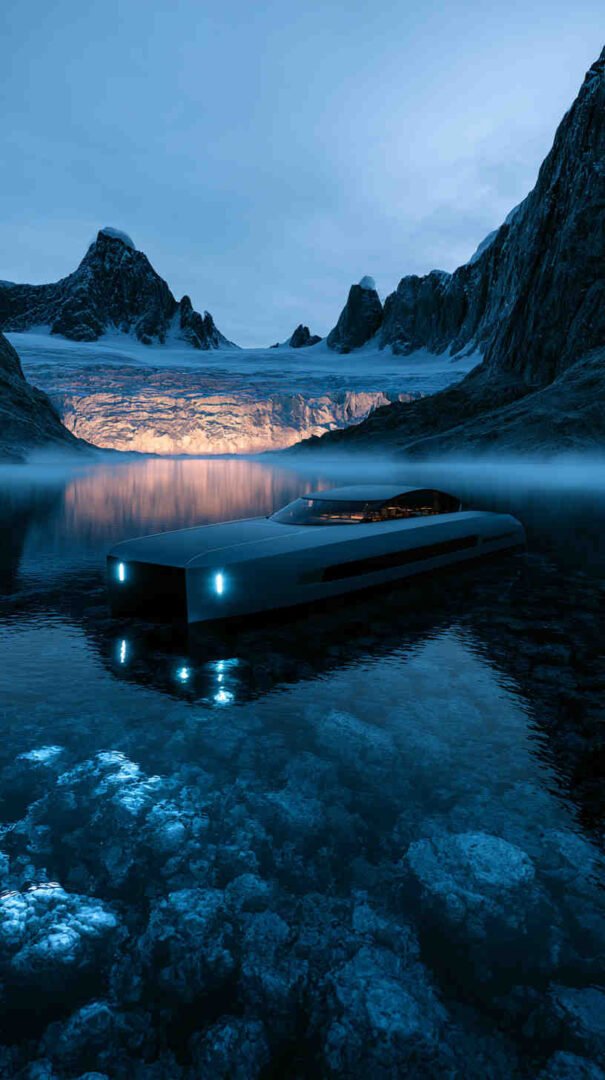
Boatbuilders and maritime engineers see hydrogen electric propulsion as one of the most viable long-term solutions for decarbonizing water transportation, particularly for vessels that need range and power beyond what batteries alone can provide. As governments introduce stricter emissions regulations for coastal and inland waterways, demand for zero-emission propulsion systems is expected to grow steadily.
Combined with advances in fuel cell efficiency, lighter hydrogen storage tanks, and expanding green hydrogen production, the hydrogen electric boat is well positioned to become a standard option in both the recreational and commercial marine industries over the coming decade.
Final Thoughts





A hydrogen electric boat represents a meaningful step forward in sustainable transportation. By combining the clean, quiet operation of electric propulsion with the extended range and quick refueling of hydrogen fuel cells, these vessels address some of the biggest limitations of earlier electric boats. As infrastructure develops and green hydrogen becomes more widely available, hydrogen electric boats are likely to play an increasingly important role in the future of marine travel, offering a cleaner path forward for oceans, rivers, and lakes around the world.
Happy Boating!
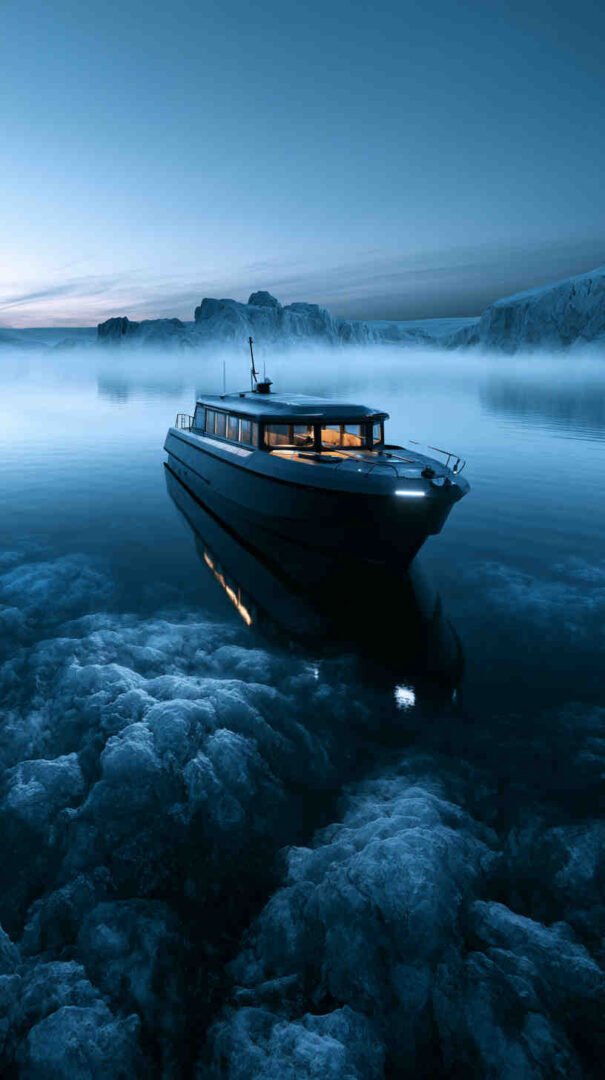
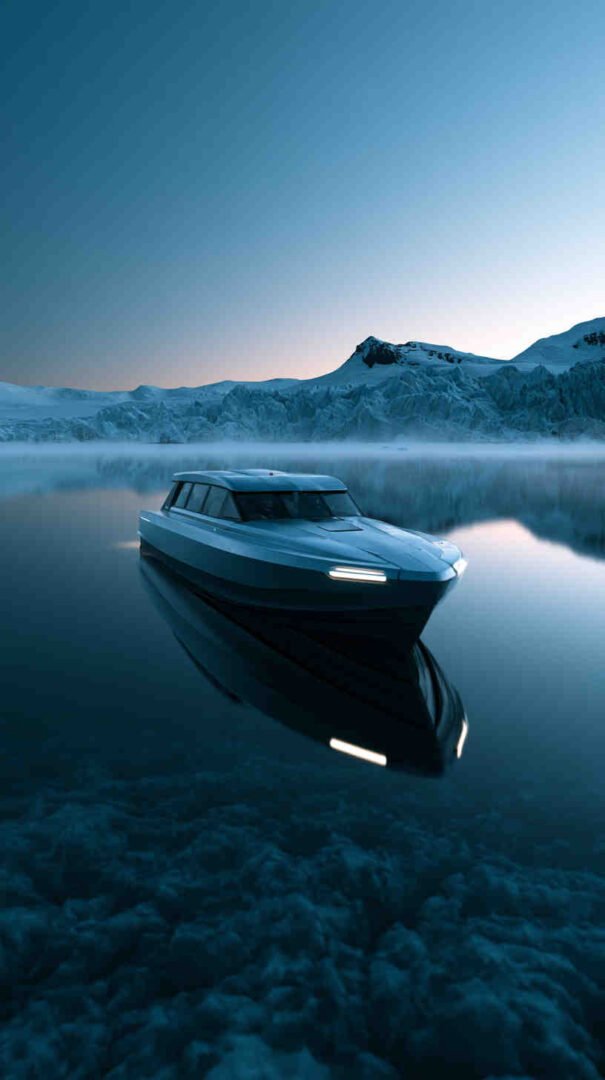
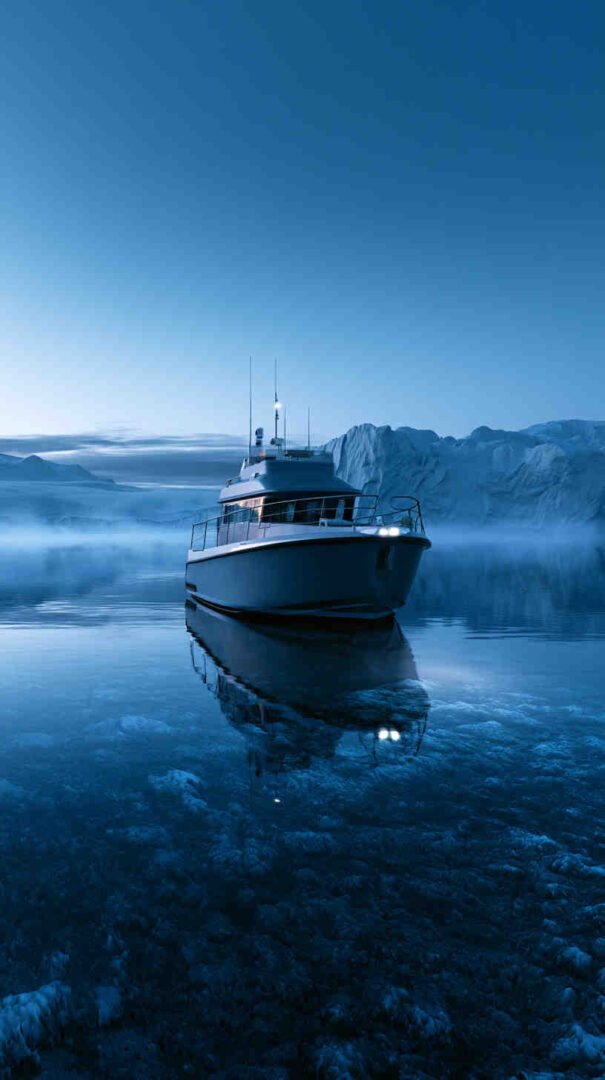
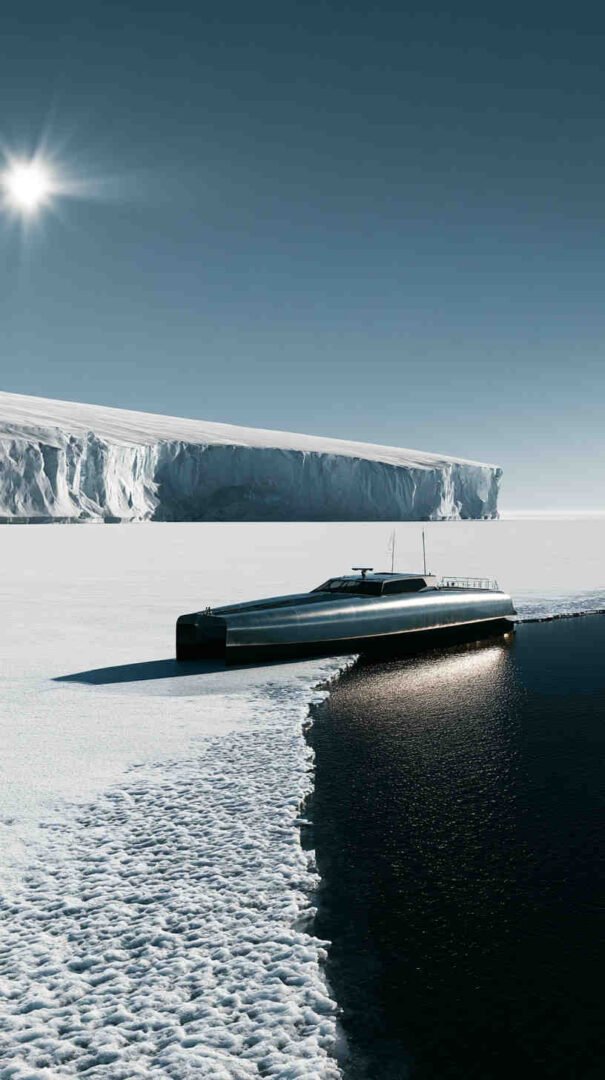
Share Hydrogen Electric Boat Wallpaper with your friends and leave a comment below with your thoughts.
Read Sustainable Electric Boat Wallpaper until we meet in the next article.