
If you run a boat with a raw water cooling system, you’ve probably heard a dozen different opinions on how often you should flush it. Some marina old-timers say every trip. Others say once a season is plenty. The truth sits somewhere in between, and it depends on a handful of factors that most boat owners never think about until something goes wrong.
A saltwater cooling system is one of those parts of a boat that quietly does its job until it doesn’t. When it fails, it’s rarely a small problem — you’re often looking at a corroded heat exchanger, a cooked engine, or a repair bill that makes you wince. The good news is that flushing this system correctly and on the right schedule is one of the cheapest, easiest ways to avoid all of that.


What a Saltwater Cooling System Actually Does
Before getting into flushing frequency, it helps to understand what the system is doing every time you run your engine.
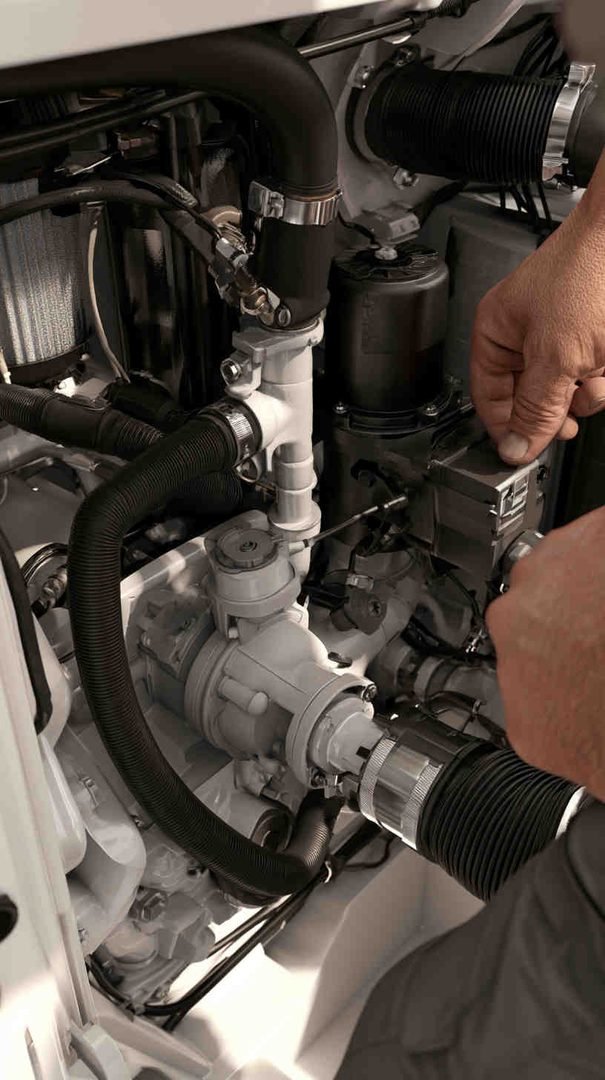
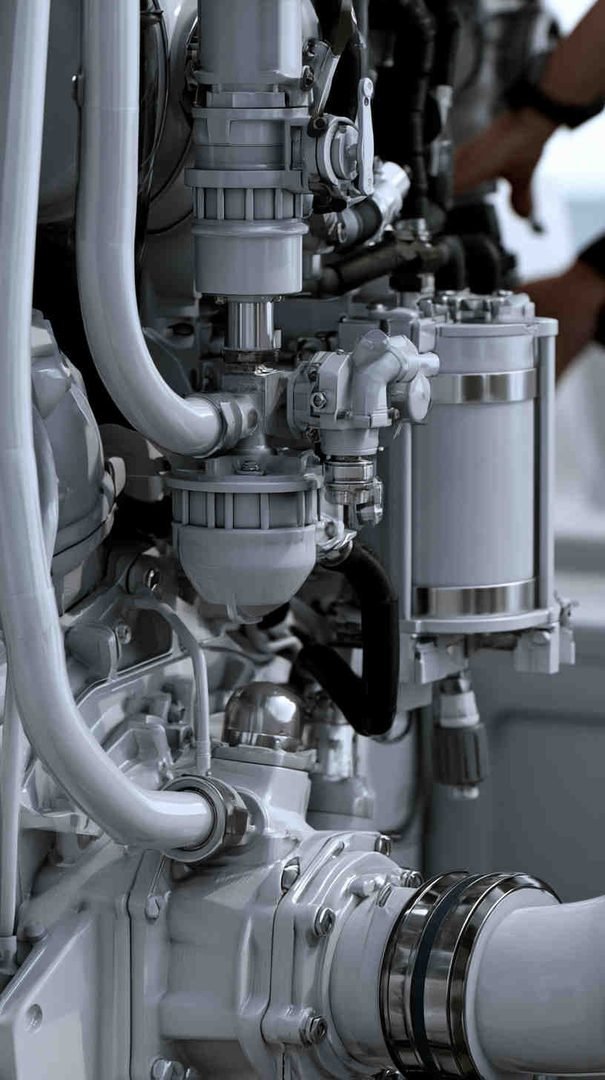
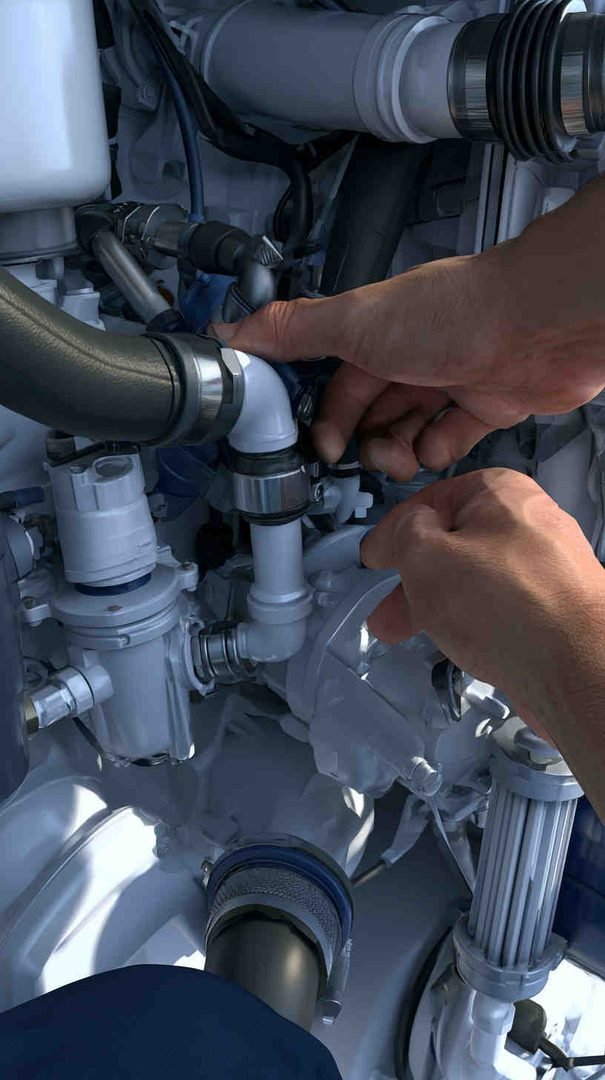
A raw water (saltwater) cooling system pulls water directly from the ocean, lake, or river through a thru-hull fitting, pushes it through a strainer to catch debris, then routes it past the engine block, exhaust manifold, and heat exchanger to absorb heat before dumping it back overboard. Unlike a closed freshwater cooling loop in a car, this water is never recycled — it’s raw, untreated, and full of whatever happens to be in the water at the time: salt, sand, mud, algae, mineral deposits, and marine organisms like barnacles and mussels.
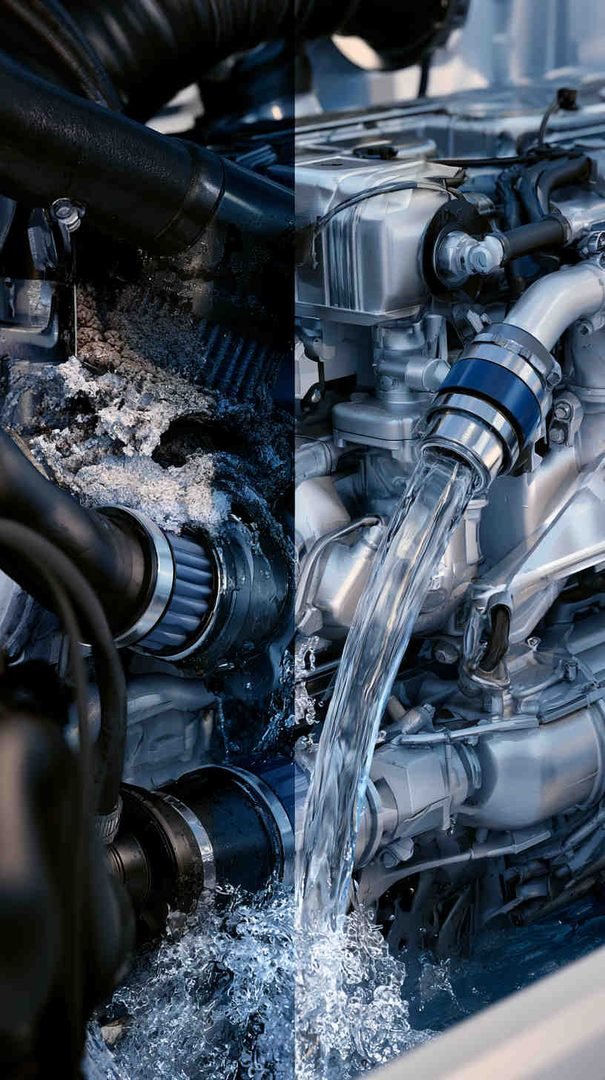
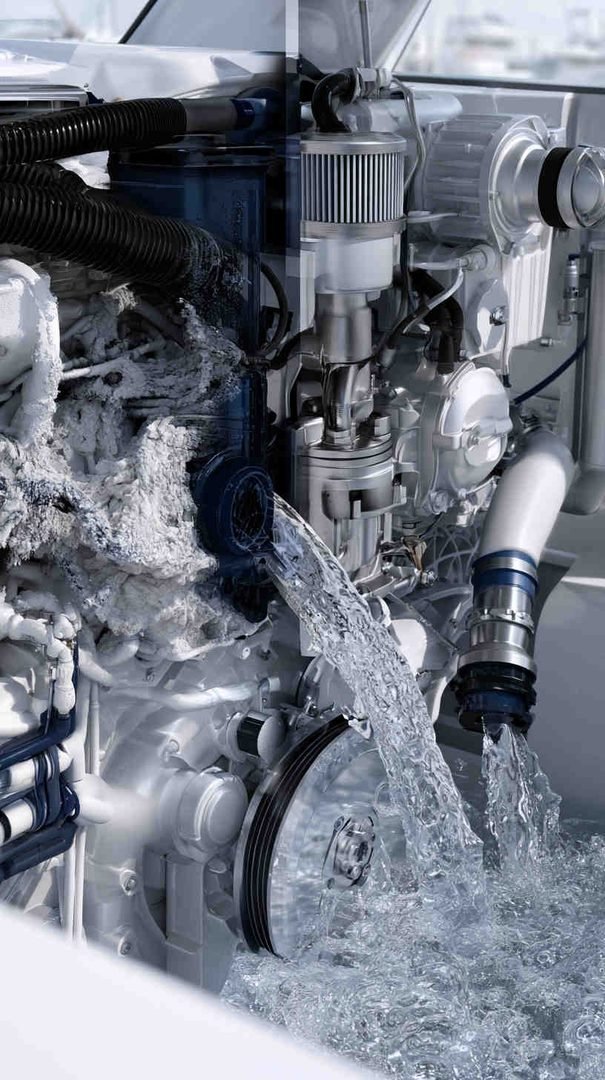
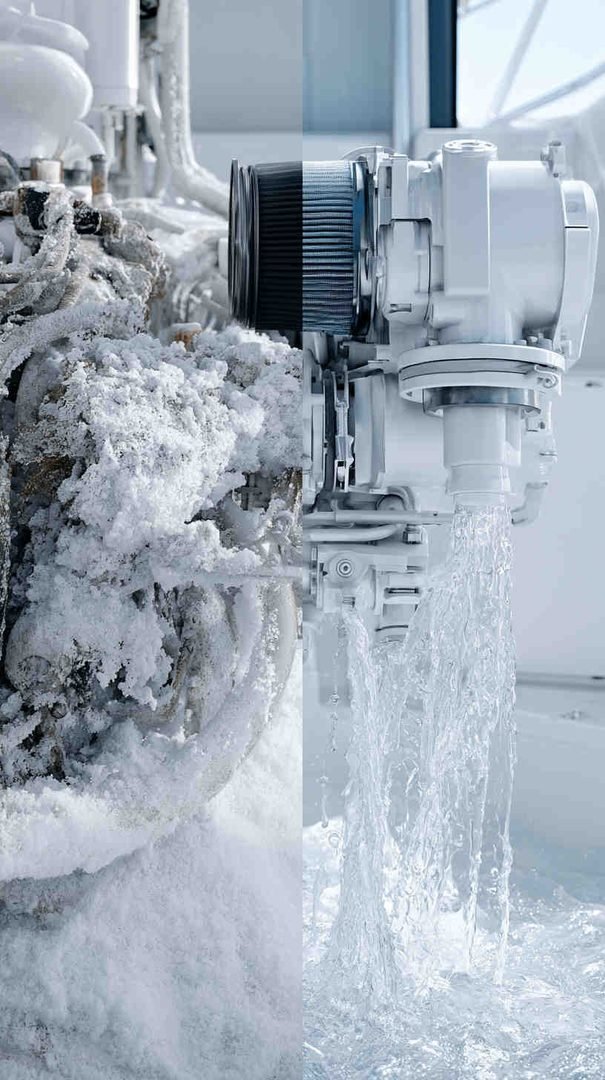
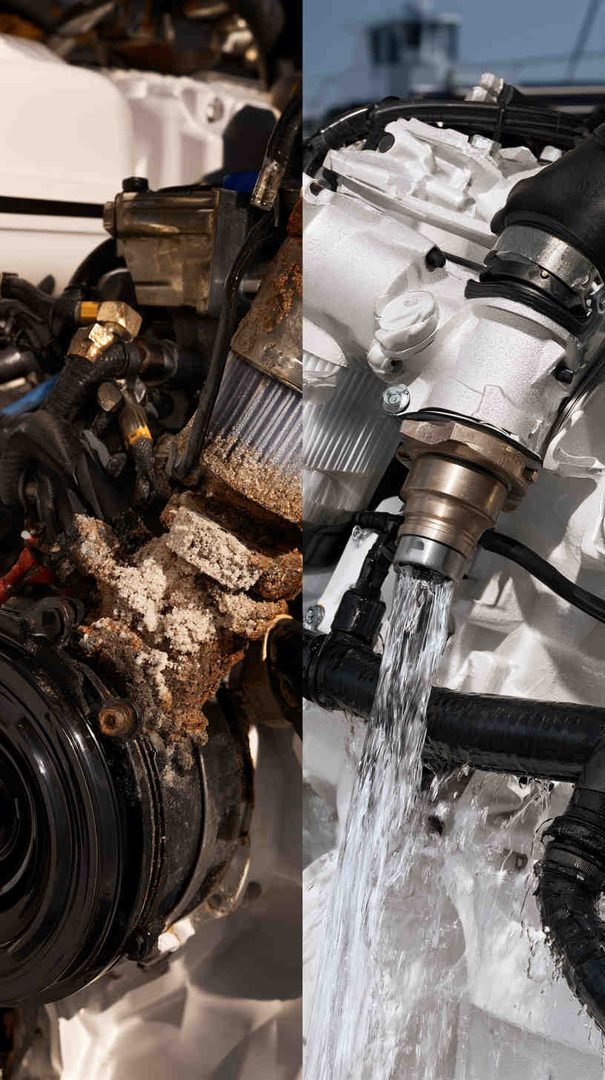
That’s the core problem. Every one of those elements is corrosive, abrasive, or capable of growing inside your engine’s plumbing. Salt crystallizes and builds up on metal surfaces. Minerals form scale. Living organisms can actually colonize the inside of hoses and heat exchanger tubes if water sits stagnant long enough. Flushing exists to interrupt all of that before it becomes permanent damage.
The Short Answer: How Often to Flush
For most boats used in saltwater, the general rule is:
- After every outing, if you can manage it, especially in warm climates or brackish water — a quick freshwater flush takes just a few minutes and prevents salt buildup from ever starting.
- At minimum, every 4 to 6 weeks during the boating season if daily flushing isn’t realistic.
- Before winter layup, a full and thorough flush is non-negotiable, along with draining the system completely if you’re in a freeze zone.
- Immediately after running in silty, muddy, or algae-heavy water, regardless of your normal schedule.
That said, “how often” isn’t a single fixed number for every boat. It depends on how the boat is used, where it’s kept, and what kind of engine and cooling components it has.


Factors That Actually Change the Flushing Schedule
1. How Often You Use the Boat
A boat that runs every weekend in saltwater accumulates salt and mineral deposits far faster than one that sits at the dock most of the month. Frequent use isn’t necessarily bad for the cooling system — stagnant water sitting in the lines is often worse, since it gives salt and organisms more time to settle and adhere to surfaces. If you use your boat often, flushing after each trip or at least weekly is the safer habit.
2. Water Temperature and Salinity
Warmer water accelerates mineral scaling and encourages biological growth — barnacles, mussels, and algae reproduce faster in warm saltwater than in cold water. Boats operating in tropical or subtropical climates typically need more frequent flushing than those in cooler northern waters. Similarly, higher salinity water (like open ocean compared to brackish estuaries) leaves behind more salt residue per outing.
3. Engine Type and Age
Older engines, or those with aluminum components, are more vulnerable to saltwater corrosion than newer designs built with corrosion-resistant alloys and coatings. If your engine block, heat exchanger, or exhaust manifold has any aluminum content, treat flushing as more urgent — aluminum corrodes faster in the presence of salt than bronze or cupronickel components typically found in marine-grade systems.
4. How Long the Boat Sits Between Uses
This is one of the most overlooked factors. A boat that’s used once a month but left sitting in saltwater the rest of the time can develop worse buildup than one used weekly, because stagnant raw water in the cooling passages has more time to deposit salt and support growth. If your boat sits idle for extended periods, flushing before and after layup periods matters more than frequency during active use.
5. Whether You Have a Zinc/Anode Protection System
Sacrificial anodes (zincs) help protect metal components from galvanic corrosion, but they don’t eliminate the need for flushing — they slow down one type of damage while flushing addresses a different one (mineral and salt buildup, plus biological growth). Checking anodes regularly is a separate maintenance task that works alongside, not instead of, flushing.

Signs You’re Not Flushing Often Enough
Even with a schedule in place, it helps to know the warning signs that your cooling system needs attention sooner rather than later:
- Rising engine temperature during normal operation, even at consistent RPM
- Reduced water flow from the exhaust outlet compared to what’s normal for your boat
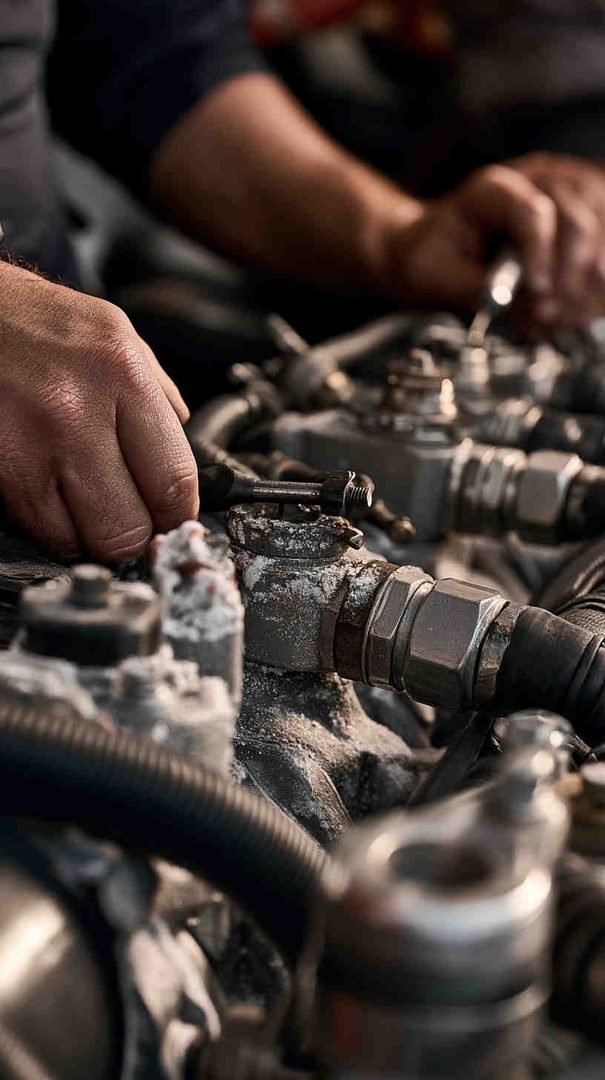
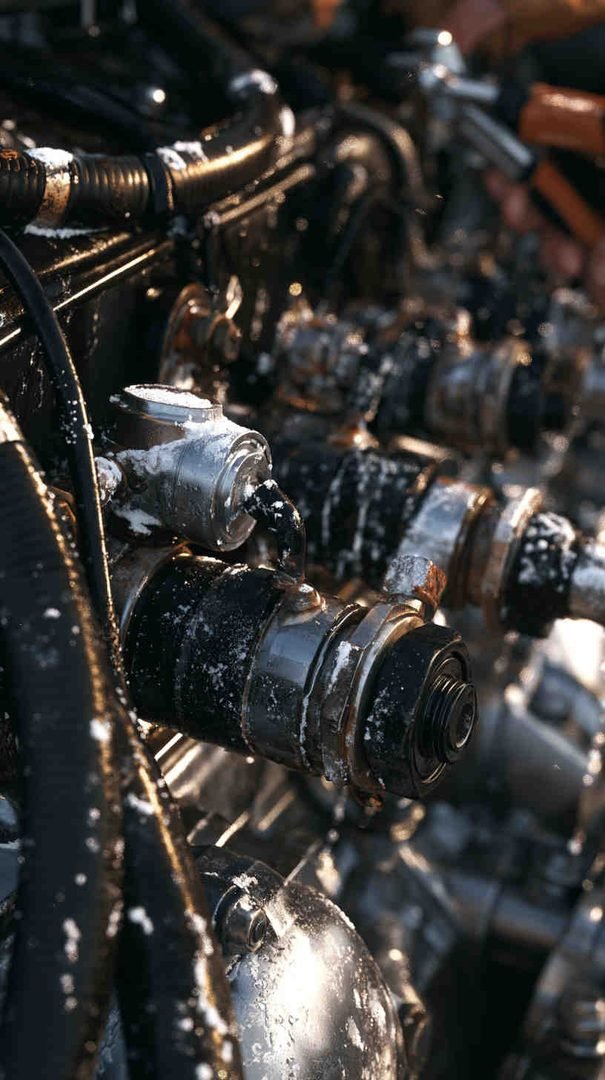
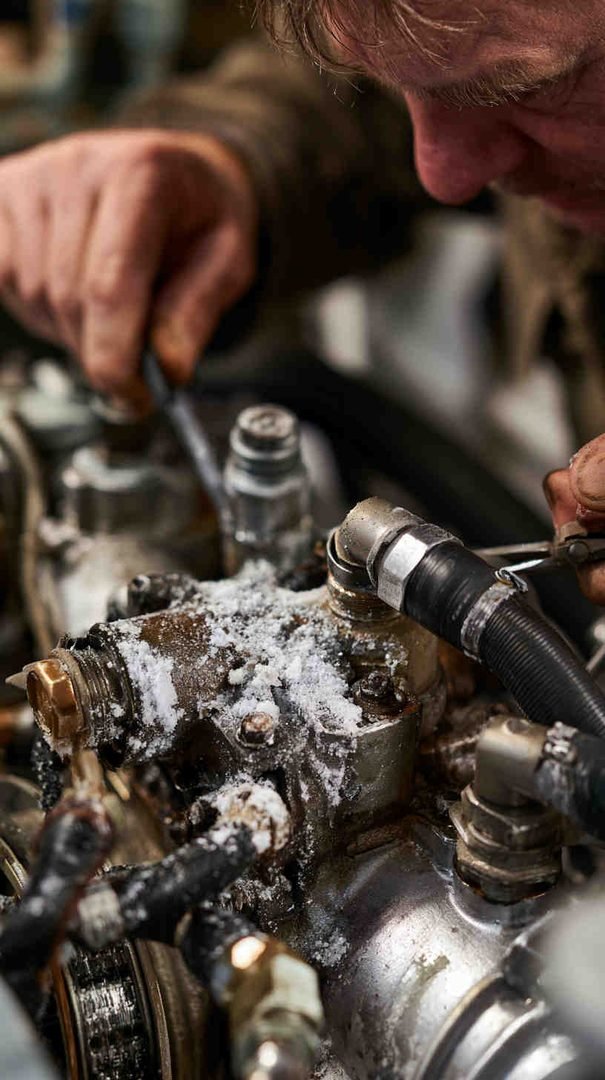
- Visible salt crust around hose connections, the strainer, or the raw water pump
- A whining or straining raw water pump, which can indicate blockage downstream
- Corrosion or discoloration visible at accessible points like the strainer basket or thru-hull fitting
Any of these is a signal to flush immediately and inspect the system, rather than waiting for your next scheduled maintenance window.
How to Flush a Saltwater Cooling System Properly
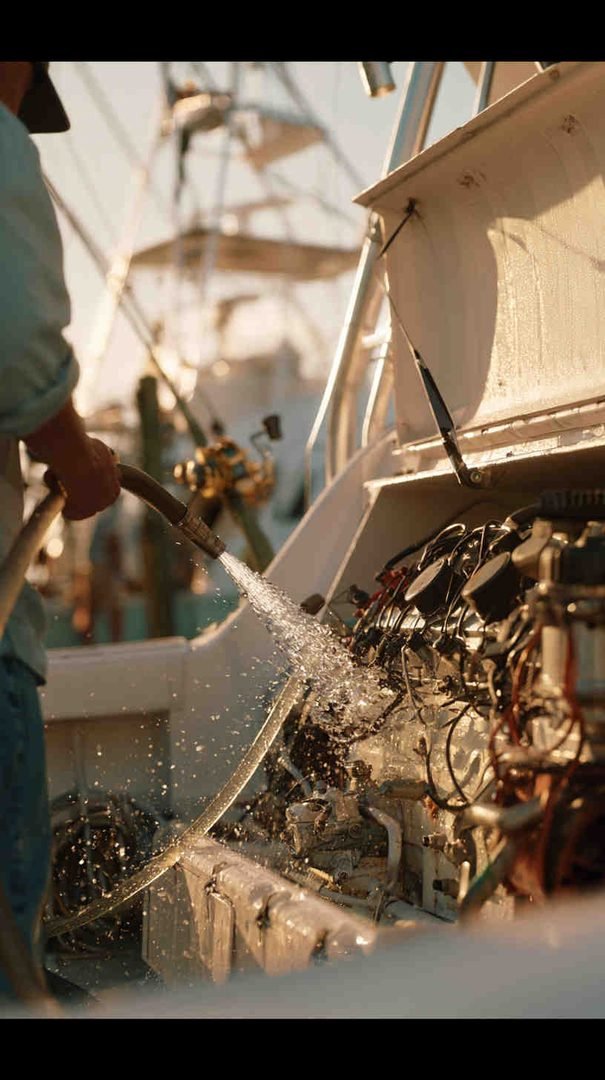
The actual flushing process is simple, even if you’ve never done it before:
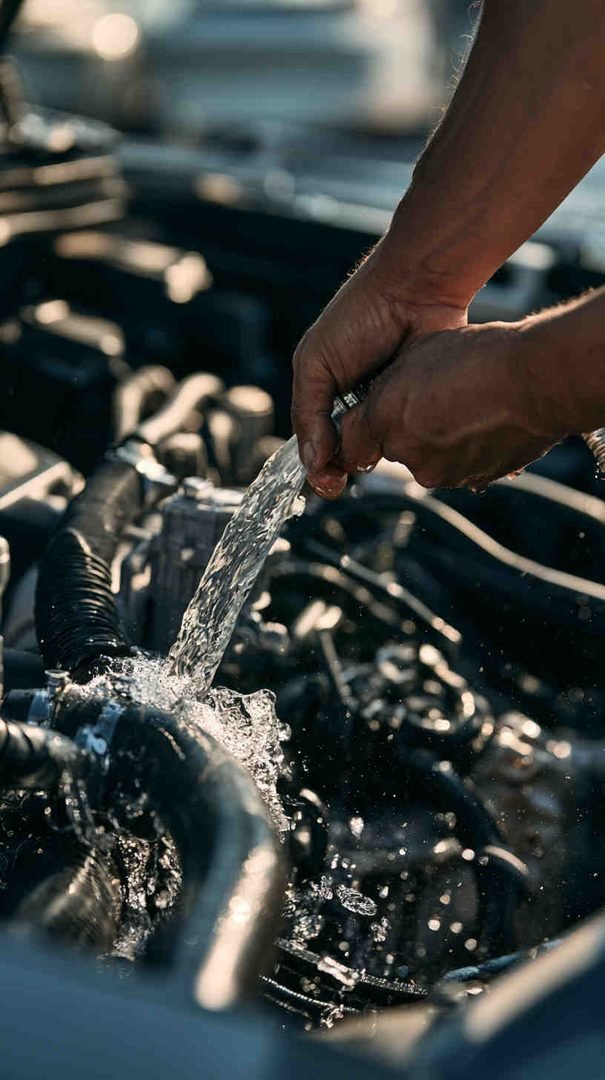
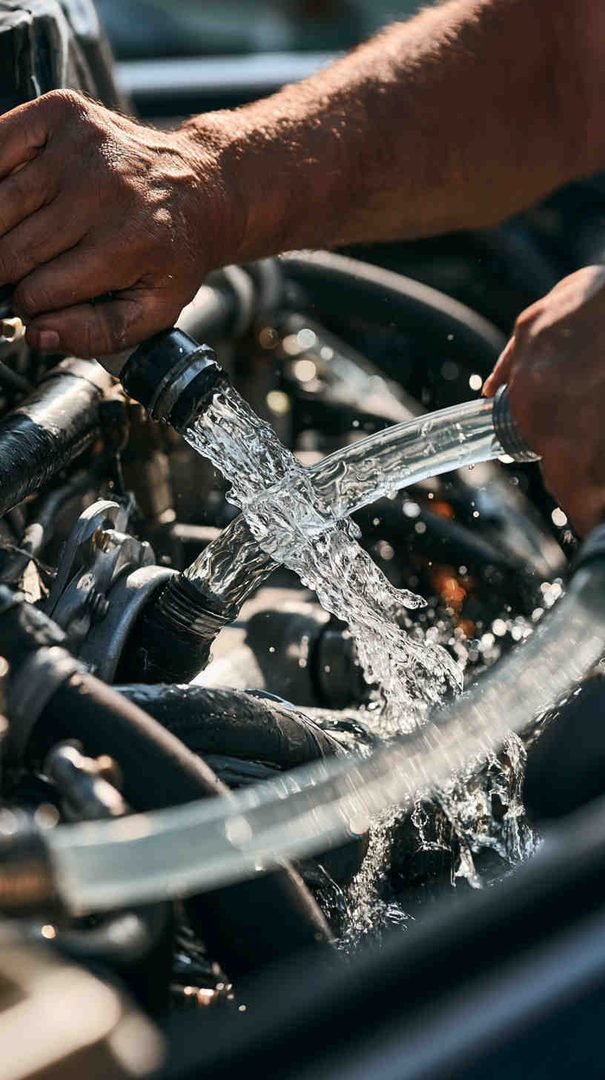
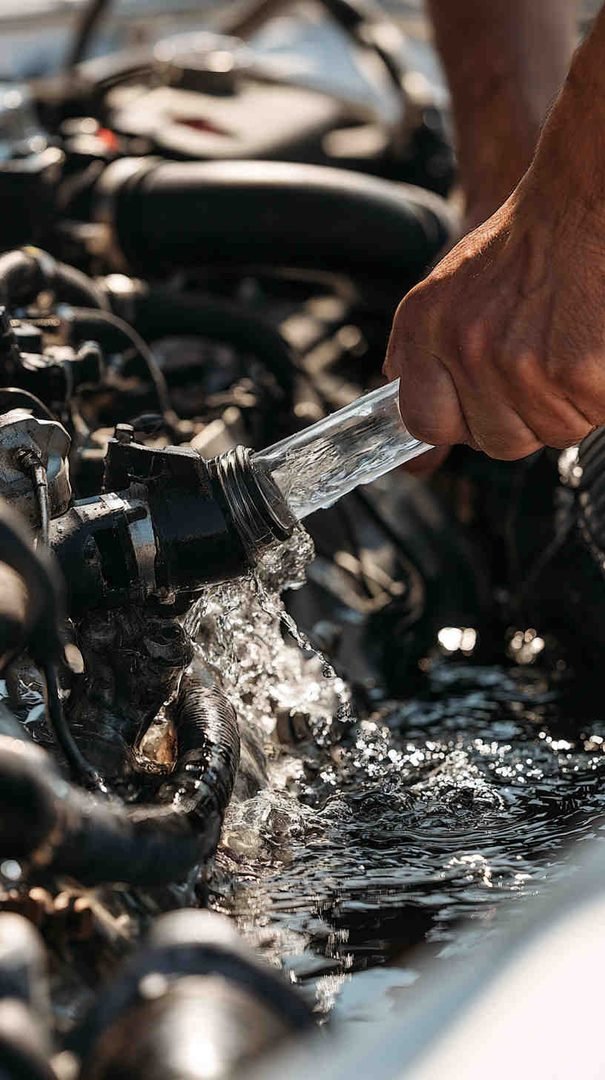
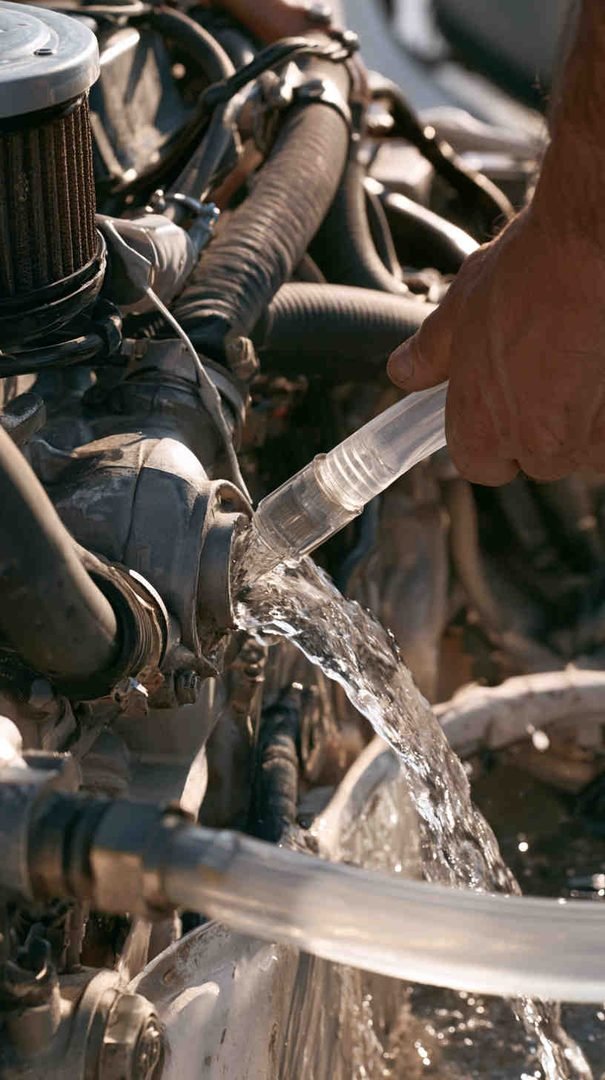
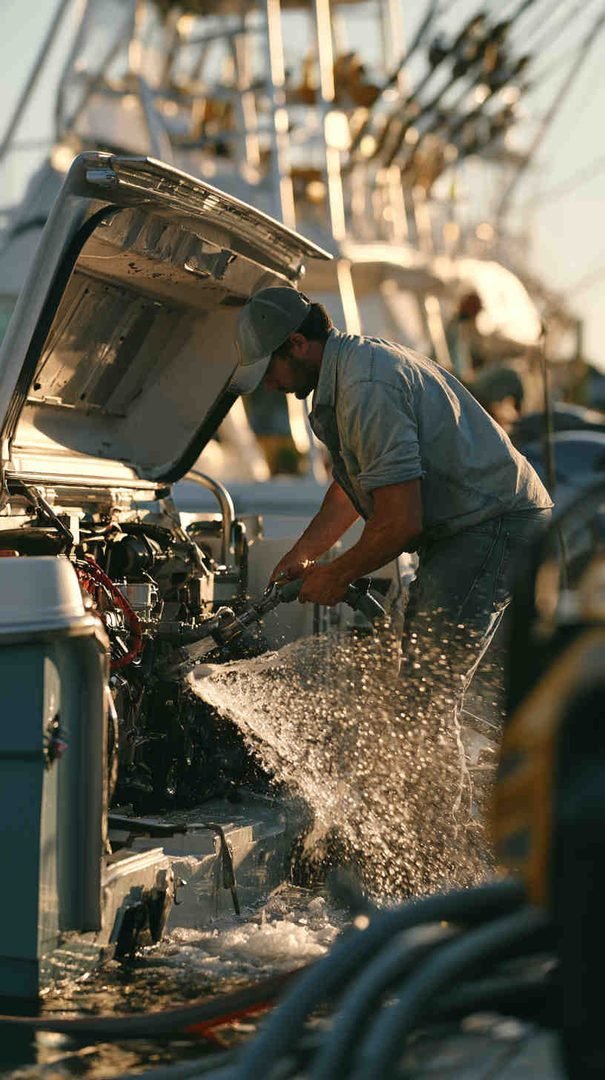
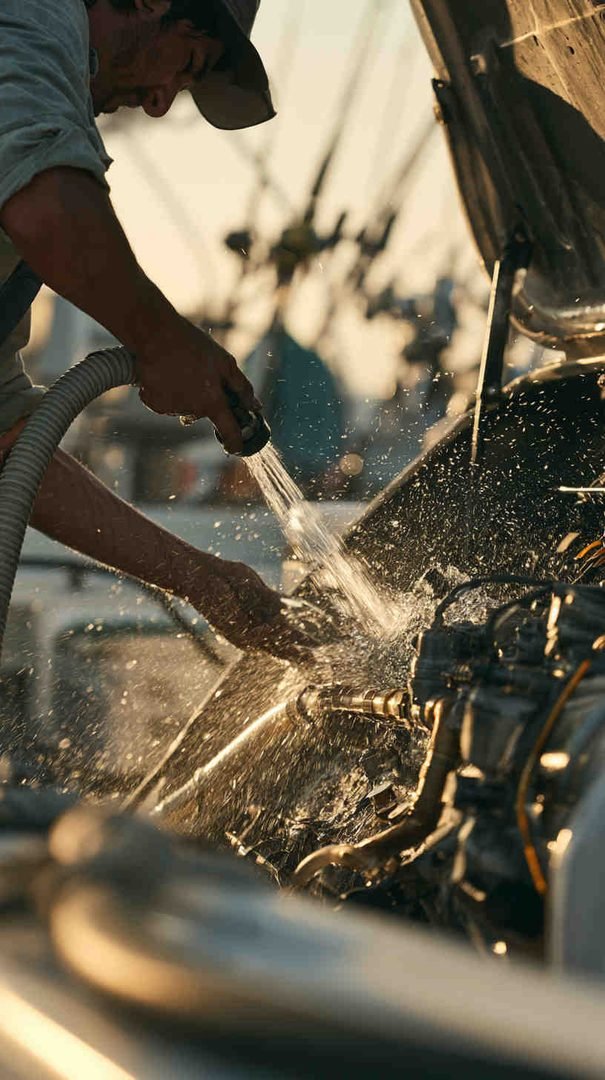
- Use a flush-through kit or muffs attached to the raw water intake, positioned over the water pickup or thru-hull.
- Run fresh water through the system with the engine either running at idle (for muffs) or with the engine off and water gravity-fed or hose-fed through the intake, depending on your engine setup.
- Let the water run for several minutes — long enough that you’re confident all raw water has been displaced by fresh water throughout the cooling passages, not just the first few feet of hose.
- Check the discharge water to confirm it’s running clear and no longer shows signs of salt or debris.
- Drain the system fully if you’re doing a pre-winter flush, especially in regions where freezing temperatures could crack the block or heat exchanger.
Always consult your specific engine manufacturer’s guidance for the exact flushing procedure, since the setup differs between outboard, inboard, and sterndrive configurations, and improper flushing (like running the engine dry) can cause its own damage.

The Bottom Line
There’s no single magic number that applies to every boat, but a reasonable baseline is: flush after every outing if you can, and no less than every 4 to 6 weeks if you can’t. Adjust that schedule upward if you’re in warm water, run an older or aluminum engine, or leave the boat sitting idle for stretches at a time. A saltwater cooling system doesn’t ask for much — a few minutes with a hose on a regular basis is a small price to pay compared to the cost of a corroded heat exchanger or an overheated engine mid-season.
Happy Boating!
Share How often you really need to flush a saltwater cooling system with your friends and leave a comment below with your thoughts.
Read Fixing a sticky marine head without calling a technician until we meet in the next article.