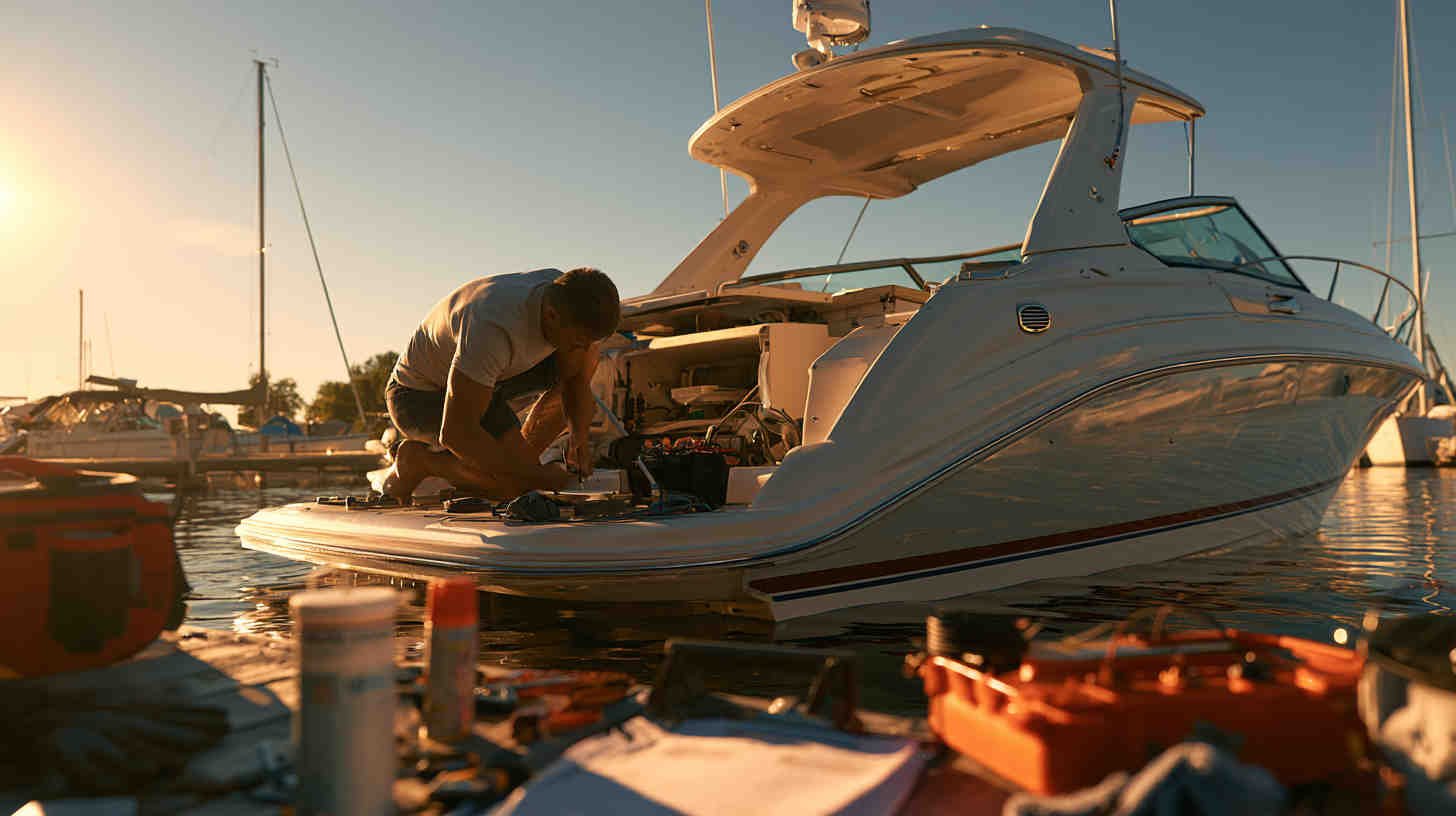
Owning a boat that is only used once a month can seem relatively easy to maintain. After all, it spends most of its time sitting at the dock, on a trailer, or in storage. However, infrequent use does not mean maintenance can be ignored. In fact, boats that sit unused for long periods can develop problems involving batteries, engines, fuel systems, hulls, electrical components, and safety equipment.
The key is to create a realistic boat maintenance schedule that matches how often the boat is actually used. For a boat used approximately once a month, maintenance does not need to become a weekly chore. A consistent monthly inspection, combined with seasonal and annual tasks, can prevent small issues from becoming expensive repairs.



Why Boats Used Once a Month Still Need Regular Maintenance
A boat can deteriorate even when it is not running. Moisture, salt, temperature changes, corrosion, stagnant fuel, and battery discharge can all cause problems while the boat is sitting.
For example, an engine that is rarely started may develop fuel-system issues, while a battery can gradually lose its charge. Electrical connections may corrode, hoses can become brittle, and water can accumulate in the bilge.
Regular use also gives you an opportunity to notice problems early. If you inspect the boat every month, you are much more likely to discover a damaged hose, loose fitting, low fluid level, or deteriorating seal before it becomes a serious problem.
A good maintenance routine for occasional boaters should therefore focus on inspection, prevention, and preparation.
Monthly Boat Maintenance Checklist
For a boat used once a month, the monthly inspection should be the foundation of your maintenance schedule. Ideally, perform these checks before or after every outing.
1. Inspect the Hull and Exterior
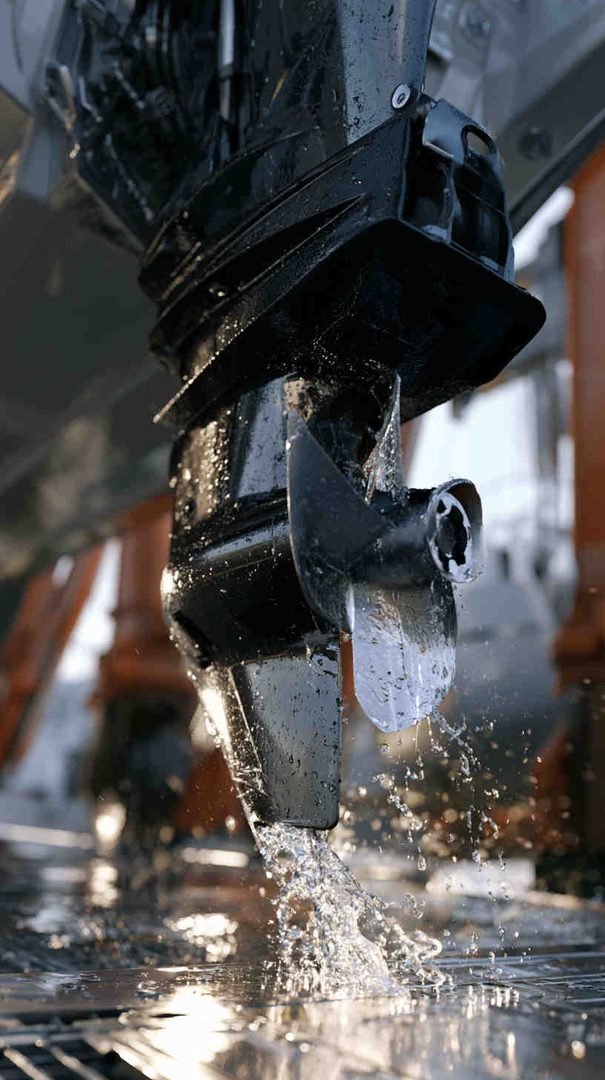


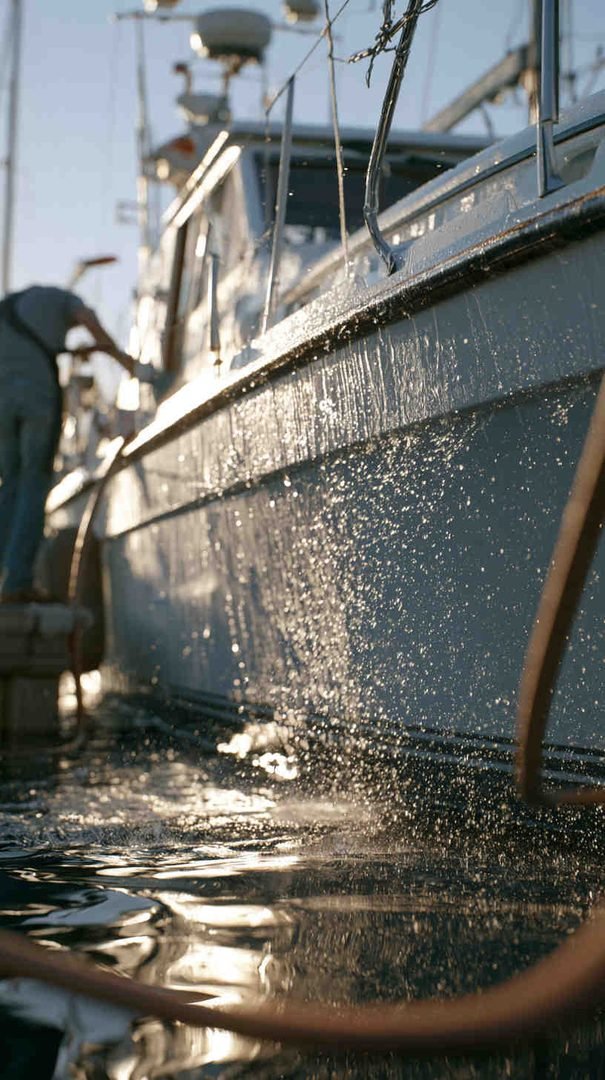

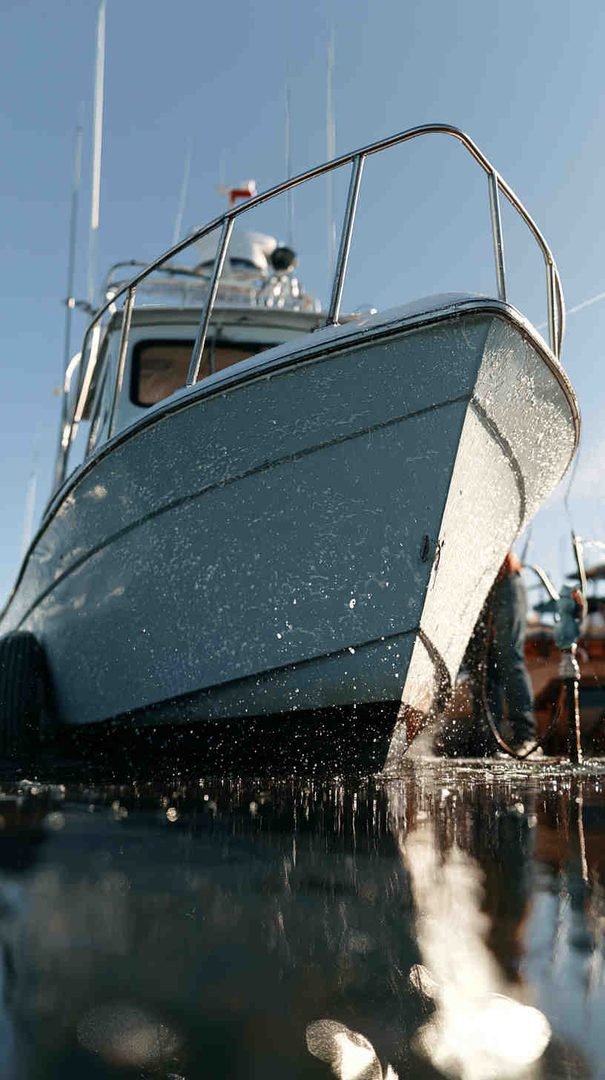
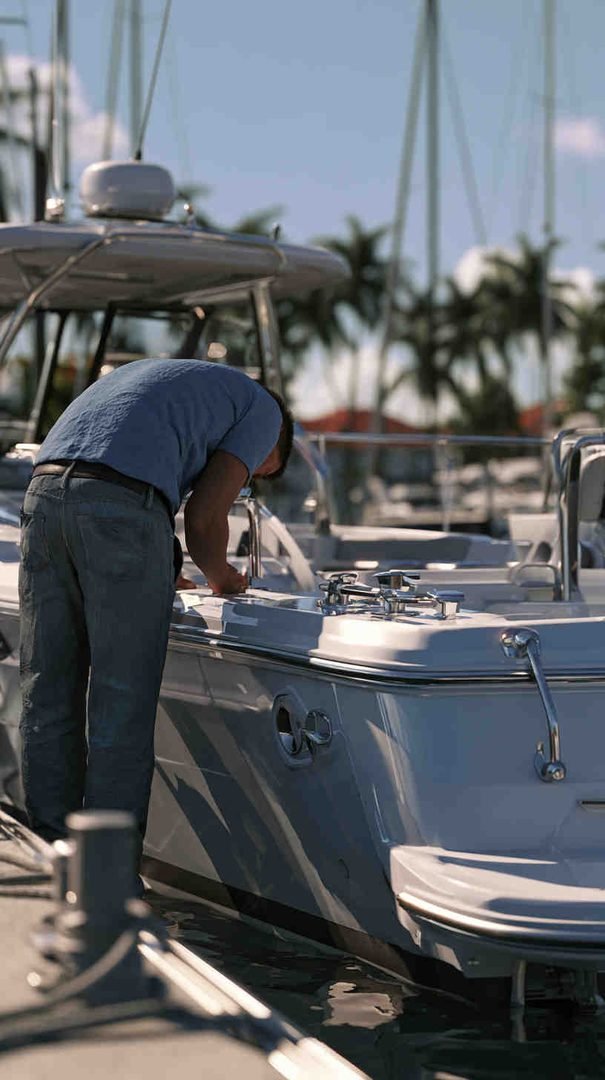
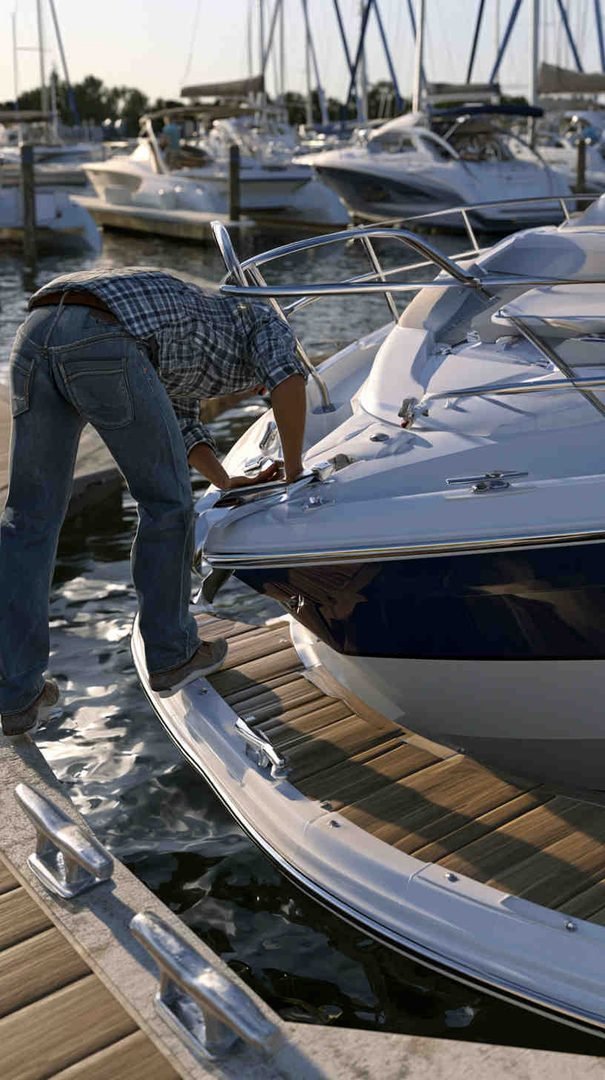
Start with a visual inspection of the hull. Look for cracks, scratches, blistering, loose fittings, damaged hardware, or unusual staining.
Pay particular attention to areas around:
- Through-hull fittings
- Drain plugs
- Transom hardware
- Trim tabs
- Propeller and lower unit
- Swim platforms
- Rub rails
If the boat remains in the water, inspect the waterline and underwater components periodically. Growth and corrosion can become significant problems when a boat remains in the water between trips.
Cleaning the hull regularly is also worthwhile because accumulated dirt, salt, and marine growth can damage finishes and affect performance.
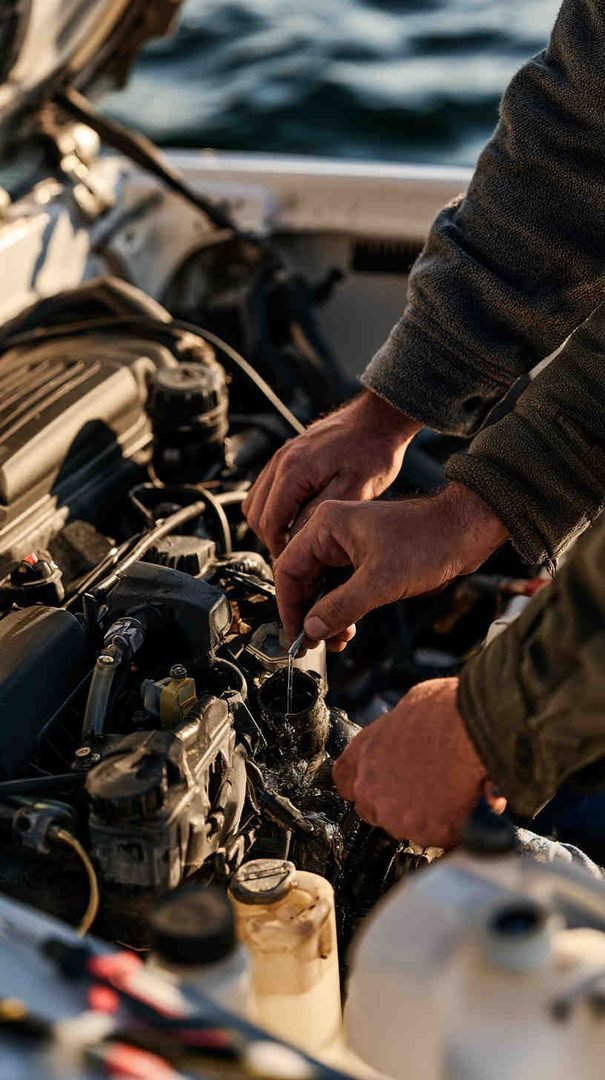
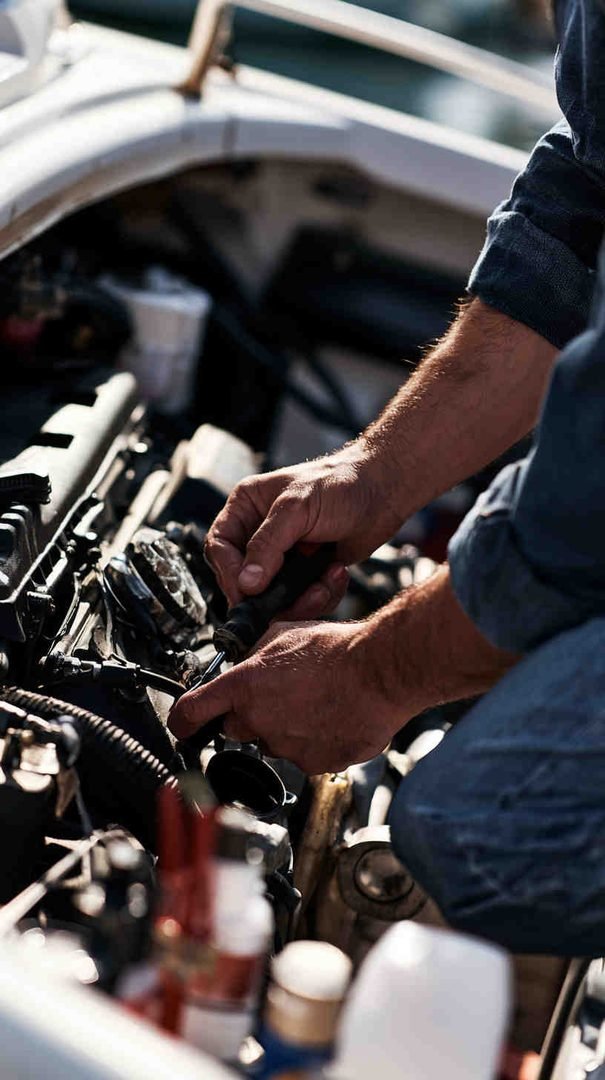
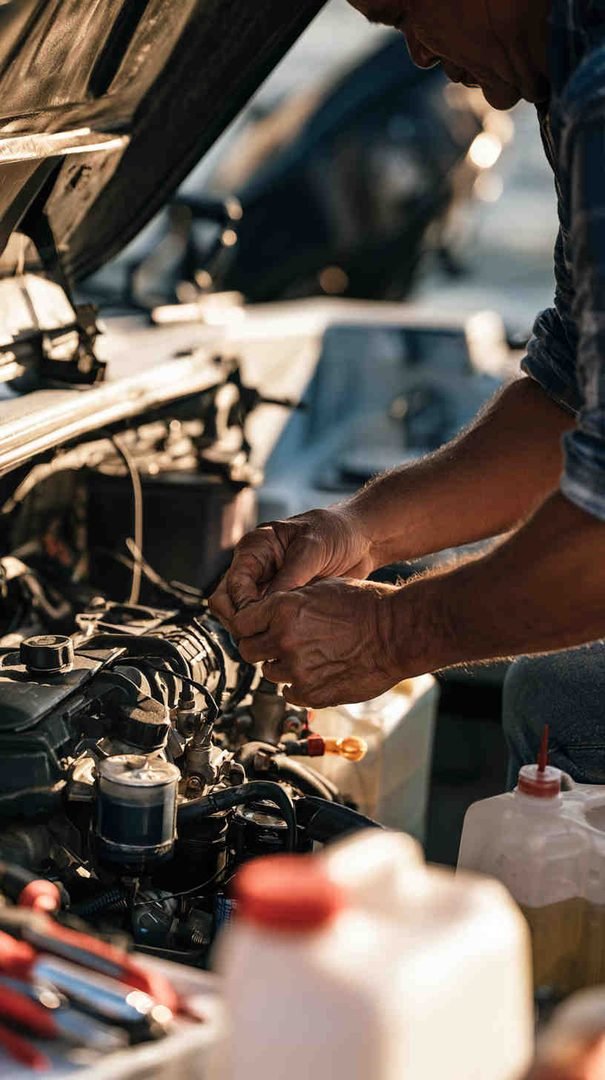
2. Check the Engine and Fluids
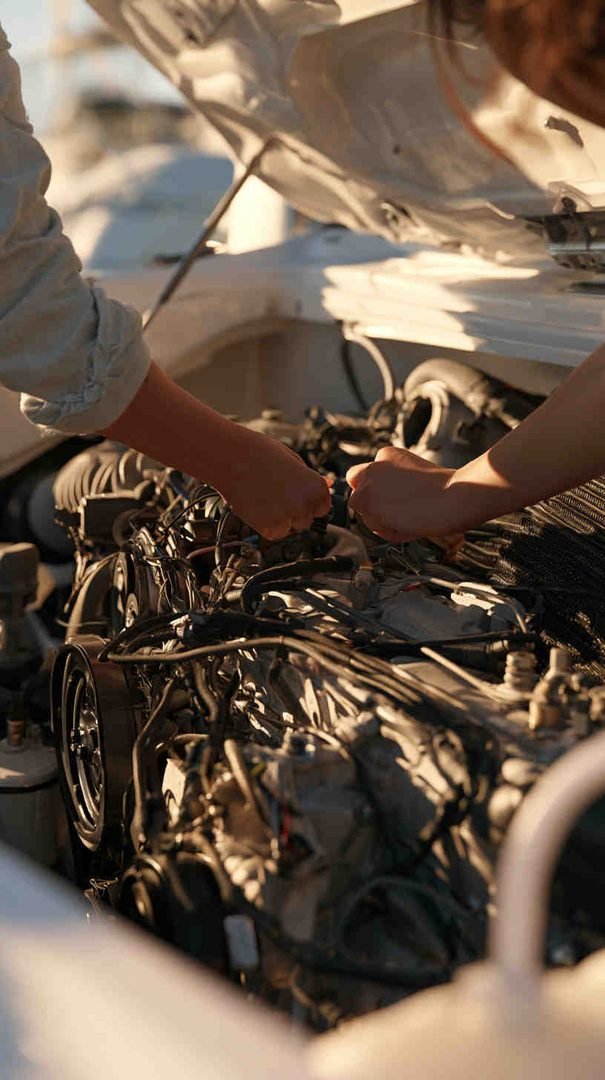
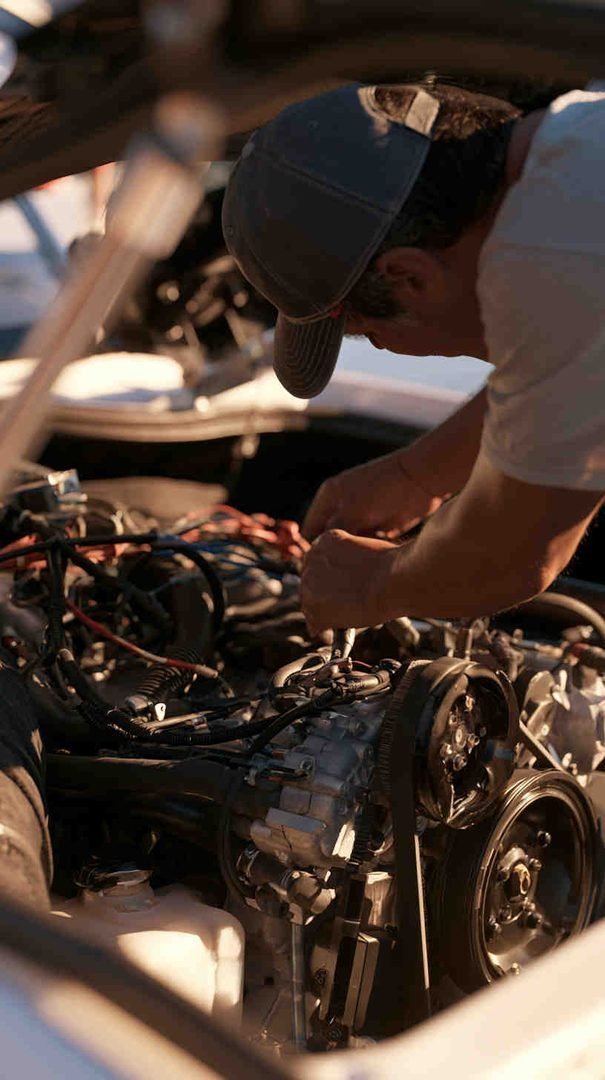
Before starting the engine, inspect the engine compartment and surrounding components.
Check the:
- Engine oil level
- Coolant level, if applicable
- Power steering fluid
- Transmission or gear lubricant
- Fuel lines
- Belts
- Hoses
- Connections
Look for leaks, cracks, swelling, corrosion, or loose components.
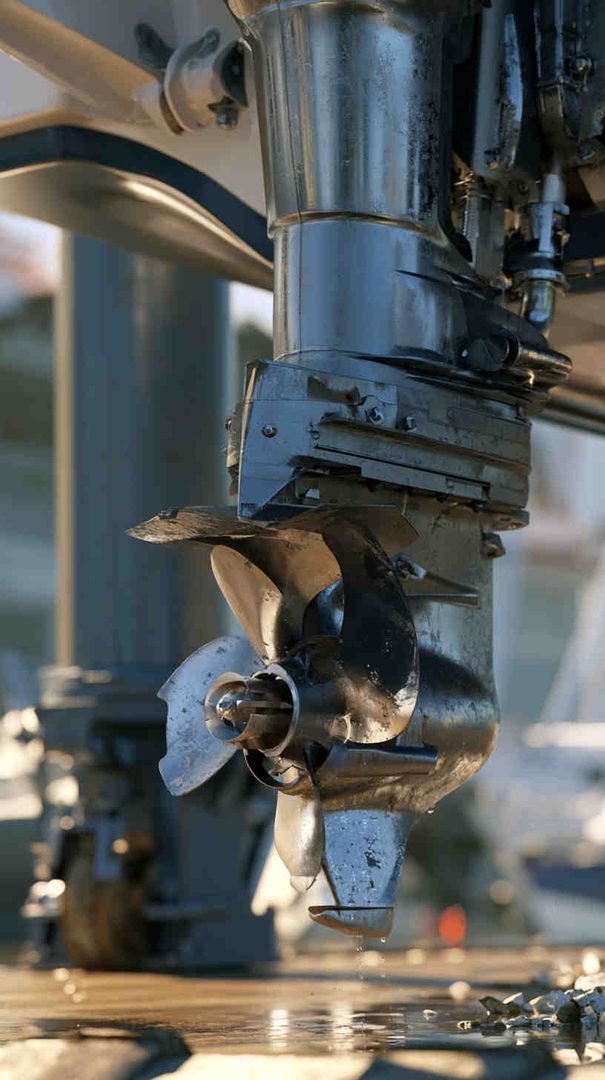
For an outboard motor, inspect the lower unit and propeller. Remove fishing line or other material that may have become wrapped around the propeller shaft.
Following the engine manufacturer’s recommended service intervals is important. A boat used only occasionally should not automatically wait longer for service simply because it accumulates fewer operating hours. Some maintenance items are based on time as well as engine hours.
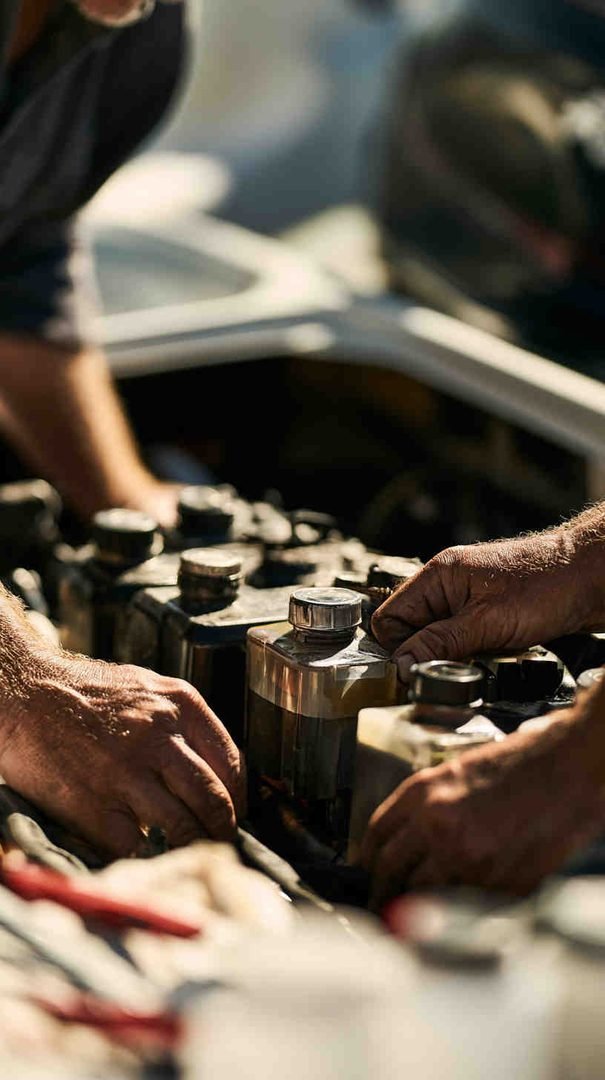
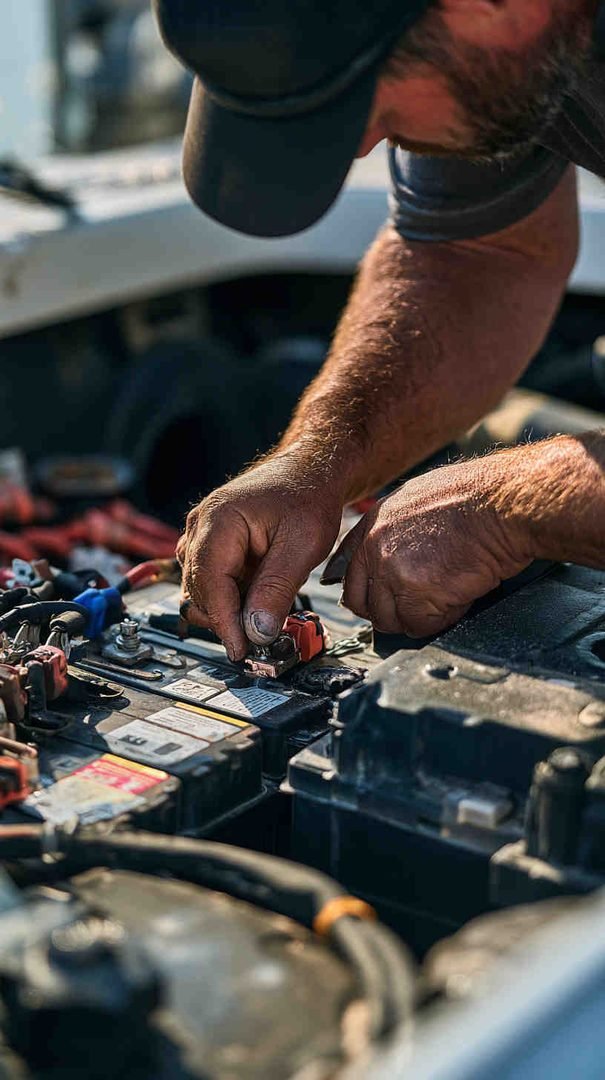
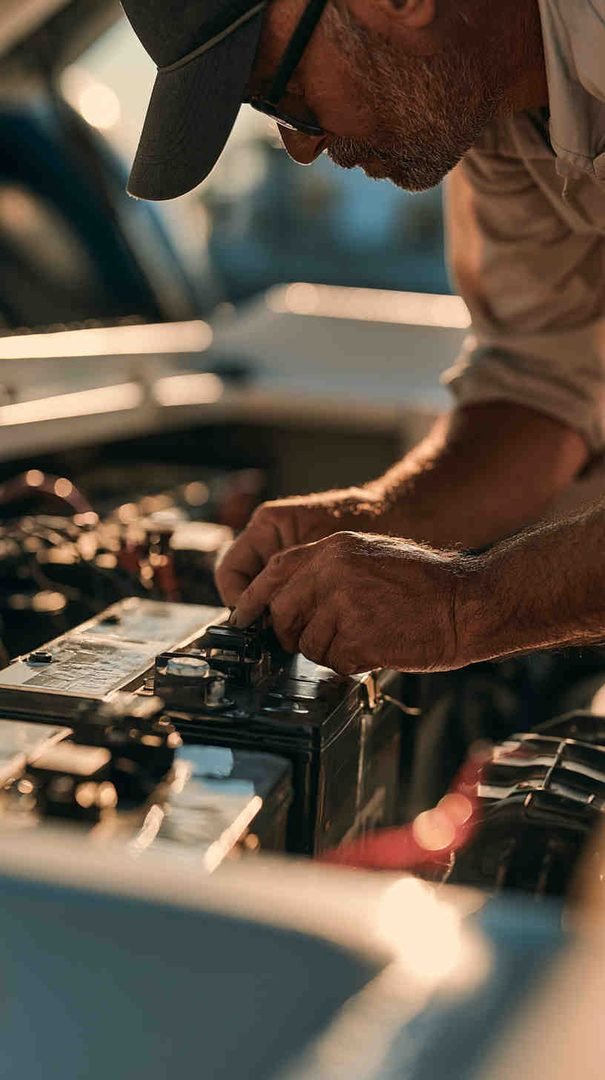
3. Test the Battery
Battery maintenance is particularly important for boats that sit unused.
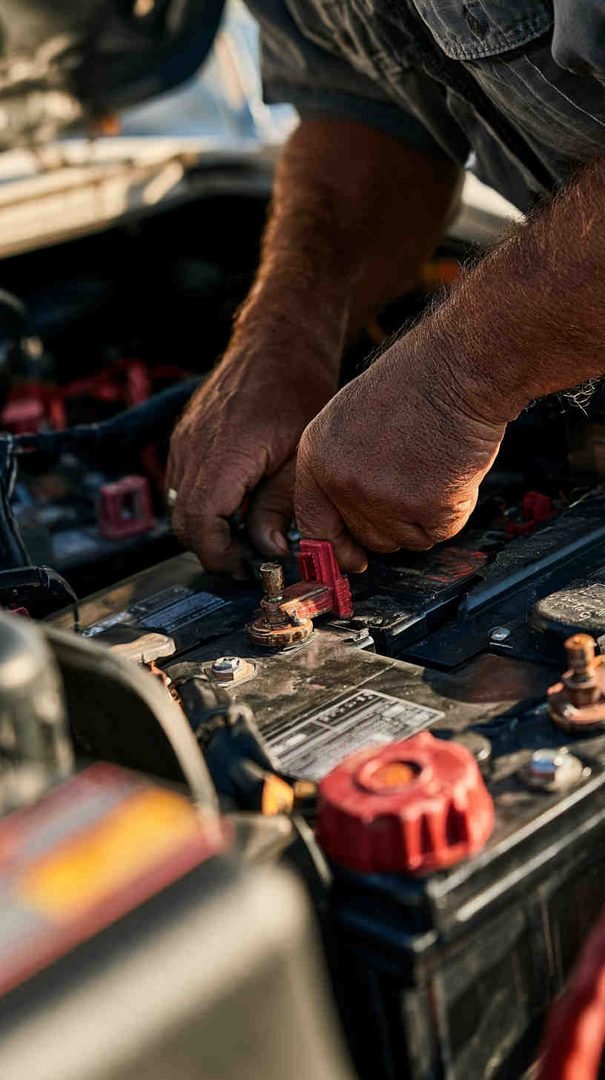
Check the battery terminals for corrosion and make sure connections are secure. If your boat uses conventional serviceable batteries, check fluid levels according to the manufacturer’s instructions.
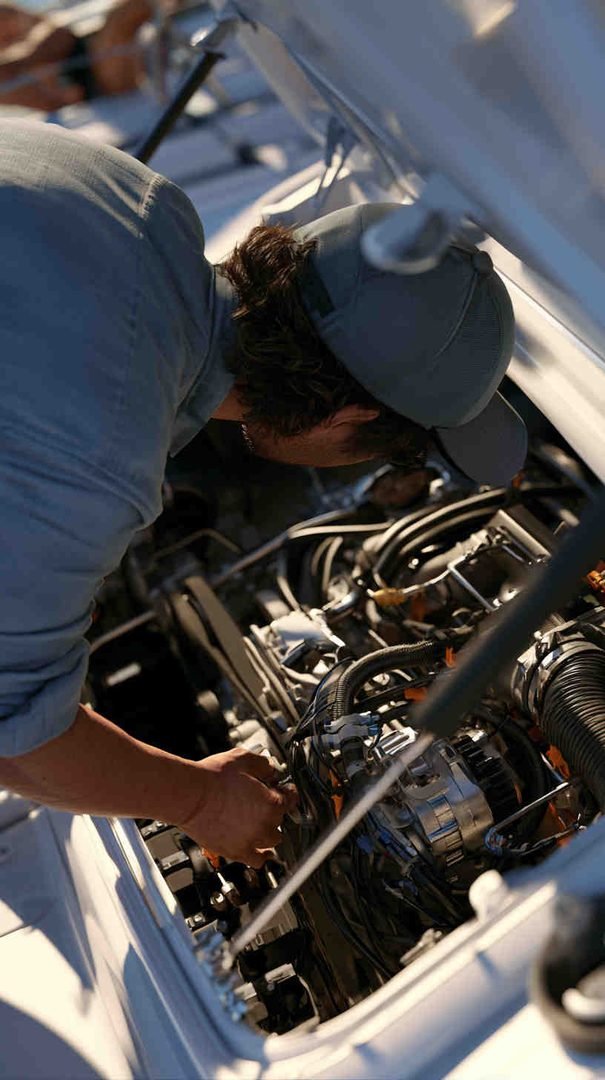
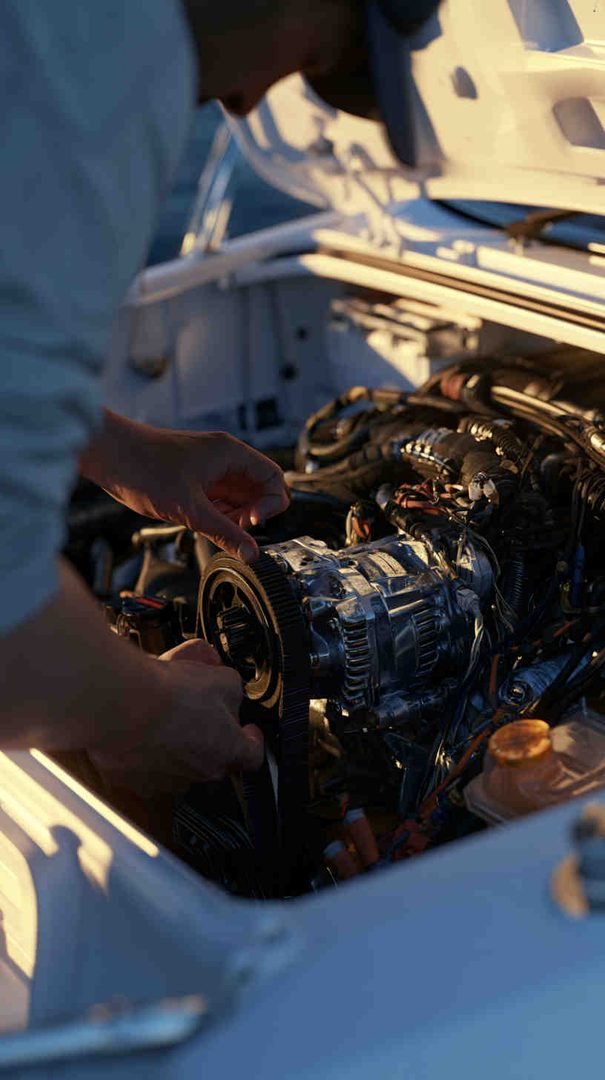


A battery that repeatedly sits discharged can have a significantly shorter lifespan.
If the boat is stored for extended periods, use an appropriate marine battery maintenance or charging system rather than allowing the battery to remain neglected.
Also check the battery compartment for signs of moisture or corrosion.
4. Inspect the Bilge
The bilge should never be overlooked.
Check for:
- Standing water
- Oil or fuel contamination
- Leaks
- Corrosion
- Debris
- Damaged wiring
Test the bilge pump and float switch periodically. A working bilge pump can be critical if water enters the boat while it is unattended.
If you discover unexplained water accumulation, do not simply remove the water and forget about it. Try to determine where it came from.
5. Check Fuel System Components
Fuel problems are common on boats that are used infrequently.
Inspect fuel lines, connections, filters, and the fuel tank for leaks or deterioration. Avoid allowing contaminated or deteriorated fuel to sit in the system for long periods.
Use fuel-management practices recommended for your specific engine and fuel system, particularly when the boat will remain unused for several weeks.
If the engine has been sitting for an extended period, check the manufacturer’s recommendations before operating it.
6. Inspect Electrical Equipment
Turn on the boat’s electrical systems and confirm that important equipment is functioning.
Test:
- Navigation lights
- Bilge pump
- Horn
- Cabin lights
- Electronics
- VHF radio
- Battery switches
- Pumps
Look for damaged wires, loose connections, corrosion, or water intrusion.
Electrical problems can be especially frustrating because they may appear suddenly. A quick monthly inspection can help identify deteriorating connections before they fail on the water.


7. Check Safety Equipment
Safety equipment should be inspected regularly, regardless of how often you use the boat.
Check life jackets for damage and make sure there are enough appropriate flotation devices for everyone aboard. Inspect fire extinguishers, signaling equipment, first-aid supplies, navigation equipment, and other required safety gear.
Pay attention to expiration dates and replacement intervals.
A monthly inspection is a good habit because safety equipment is easy to forget when it spends most of the year sitting in storage.
A Practical Monthly Boat Maintenance Schedule
Instead of trying to perform every possible maintenance task each month, divide the work into manageable stages.
Week Before Your Monthly Trip
Perform a basic inspection:
- Check the battery
- Inspect the hull
- Check engine oil and fluids
- Inspect fuel lines
- Test electrical systems
- Test the bilge pump
- Check safety equipment
- Inspect the propeller
- Check trailer tires if trailering
This gives you time to correct problems before your planned outing.
Immediately After the Trip
Rinse the boat thoroughly, especially if it has been used in saltwater.
Flush the engine according to the manufacturer’s instructions. Remove debris, fishing line, and accumulated dirt.
Allow wet compartments to drain and dry where possible. Check the bilge and look for leaks that may have appeared during operation.
This post-trip routine is one of the easiest ways to protect a boat between monthly outings.
Seasonal Boat Maintenance
Monthly checks should be supplemented with deeper seasonal inspections.
Spring
Before the first major boating season, inspect the entire boat carefully. Check batteries, fluids, belts, hoses, safety equipment, electrical systems, trailer components, and engine-related maintenance items.
Inspect the hull and bottom for damage that may have occurred during storage.
Spring is also a good time to replace maintenance items that have reached their recommended service interval.



Summer
During the main boating season, continue the monthly inspection routine. Boats exposed to strong sunlight, saltwater, and frequent temperature changes may require additional cleaning and corrosion protection.
Pay particular attention to cooling systems and engine temperatures during hot weather.
Fall
Before storing the boat for an extended period, give it a thorough inspection and cleaning.
Remove unnecessary items, clean the interior, rinse saltwater residue from exposed components, and inspect the engine and fuel system according to the manufacturer’s storage recommendations.
Winter
If freezing temperatures are possible, winterization becomes especially important.
Depending on the type of boat and engine, winterization may involve protecting the cooling system, changing fluids, preparing the fuel system, removing or maintaining batteries, and protecting exposed components.
Always follow the manufacturer’s specific winterization procedures because requirements vary significantly between engines and boats.
Annual Boat Maintenance Tasks
Even if your boat is used only 12 times a year, certain maintenance tasks should still be completed annually or at the manufacturer’s recommended interval.
These may include:
- Engine oil and filter service
- Gear lubricant inspection or replacement
- Fuel filter replacement
- Spark plug inspection or replacement where applicable
- Cooling-system inspection
- Belt and hose inspection
- Battery inspection
- Propeller inspection
- Trailer bearing and brake inspection
- Safety equipment inspection
- Hull and bottom inspection
The exact schedule depends on the boat, engine, environment, and manufacturer recommendations.
A useful approach is to keep a simple maintenance log. Record the date, engine hours, work completed, parts replaced, and anything that needs attention at the next visit.
Boat Maintenance Schedule at a Glance
For a boat used once a month, the routine can remain simple:
Every month: Inspect the hull, engine, fluids, battery, bilge, fuel system, electrical equipment, trailer, and safety gear.
Before every trip: Check essential systems, fuel, engine fluids, battery condition, navigation lights, bilge pump, and safety equipment.
After every trip: Rinse the boat, flush the engine when required, clean the boat, remove debris, and inspect for leaks or damage.
Every season: Perform a more comprehensive inspection and address weather-specific maintenance requirements.
Once a year: Complete manufacturer-recommended servicing and inspect major mechanical, electrical, structural, and safety components.
Final Thoughts
A boat that is used once a month does not require constant attention, but it does require consistent attention. The biggest mistake occasional boat owners make is assuming that limited use means limited maintenance.
In reality, sitting unused creates its own set of risks. Batteries can discharge, fuel systems can deteriorate, moisture can cause corrosion, and small leaks can go unnoticed.
The best boat maintenance schedule is one that you can realistically follow. A monthly inspection, a quick check before and after each outing, seasonal preparation, and annual servicing provide a practical foundation for keeping an occasionally used boat reliable.
The goal is not to spend every weekend maintaining your boat. It is to spend a small amount of time checking the right things so that when your once-a-month boating day arrives, you can spend your time enjoying the water instead of dealing with preventable problems.
Happy Boating!
Share A realistic maintenance schedule for boats used once a month with your friends and leave a comment below with your thoughts.
Read Electric Foiling Boat Wallpaper 4K HD Images until we meet in the next article.