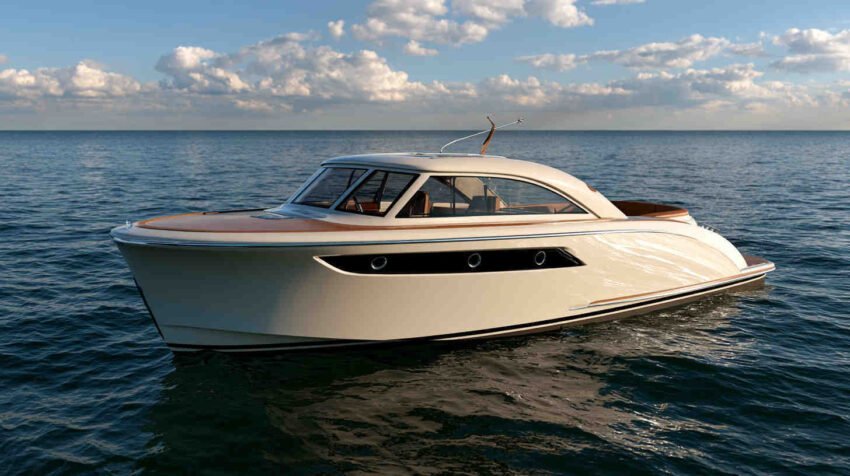
Boating is changing. For decades, the low rumble of a diesel or gasoline engine was simply part of the experience — the smell of fuel, the vibration under your feet, the trail of exhaust behind the stern. But a quieter, cleaner alternative has moved from niche experiment to genuine mainstream option: the electric cabin cruiser. If you’ve been curious about what these boats actually are, how they work, and whether they’re worth considering for your next time on the water, this guide covers everything you need to know.
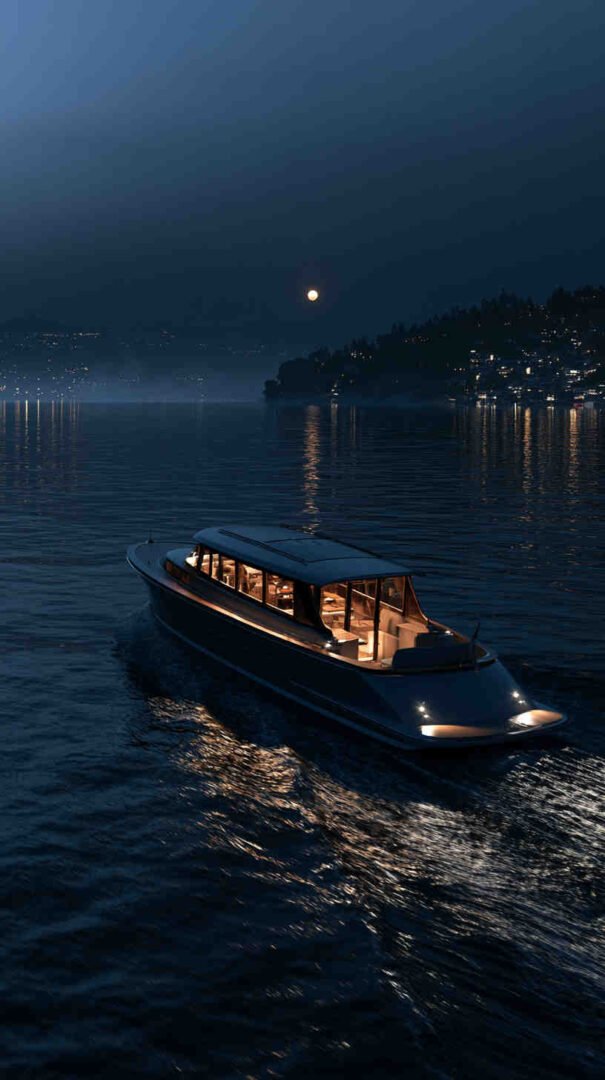
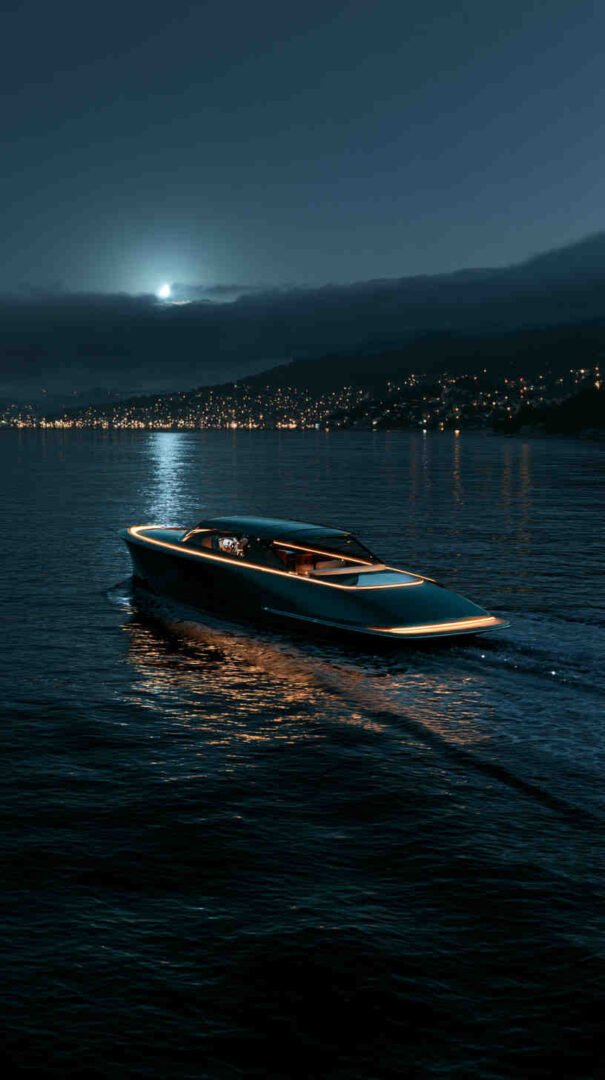
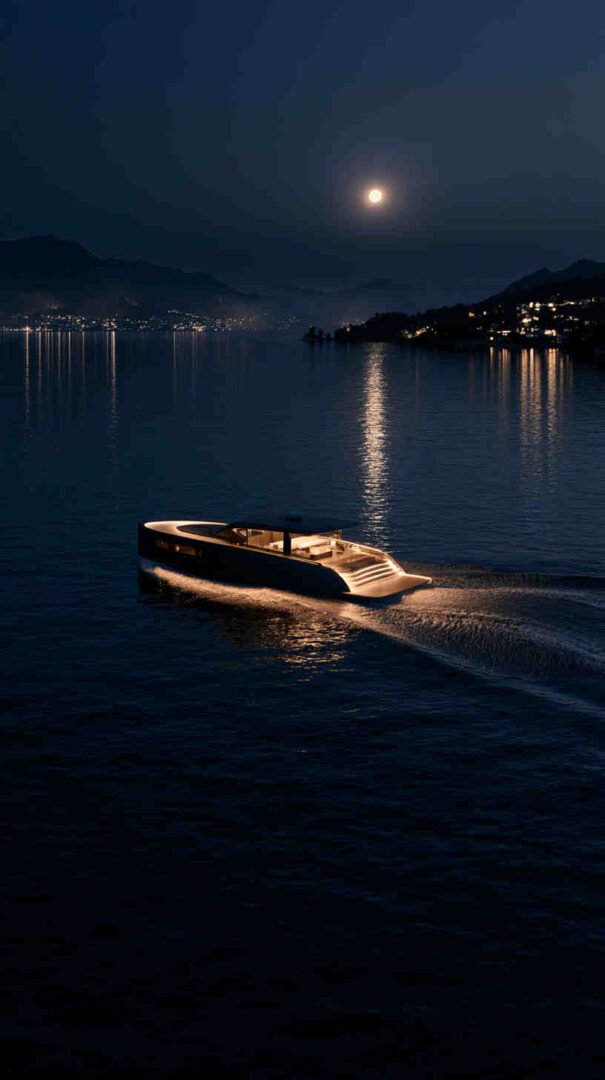


What Is an Electric Cabin Cruiser?
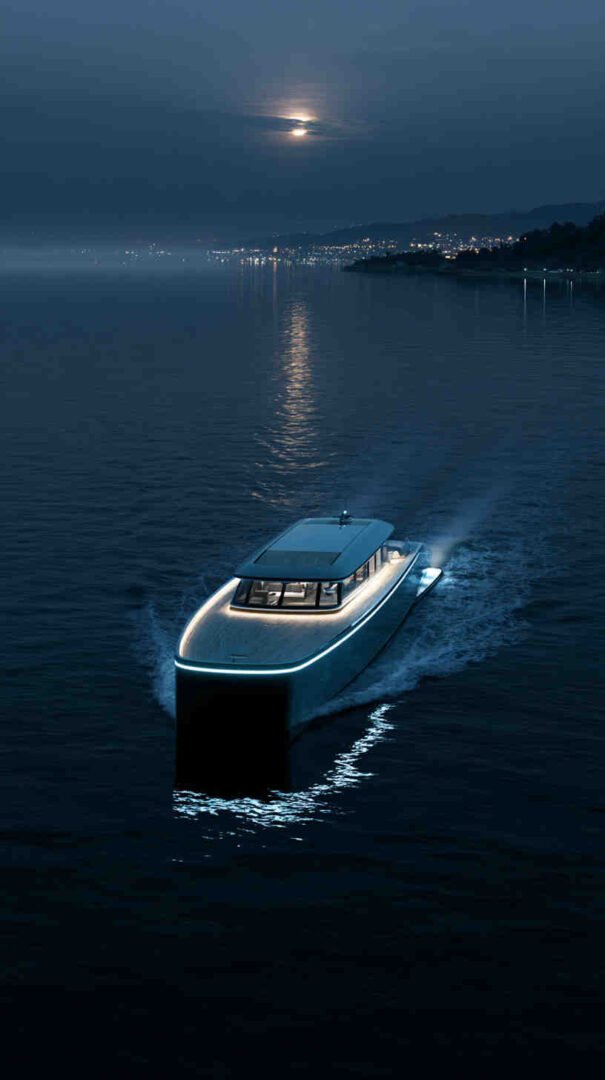
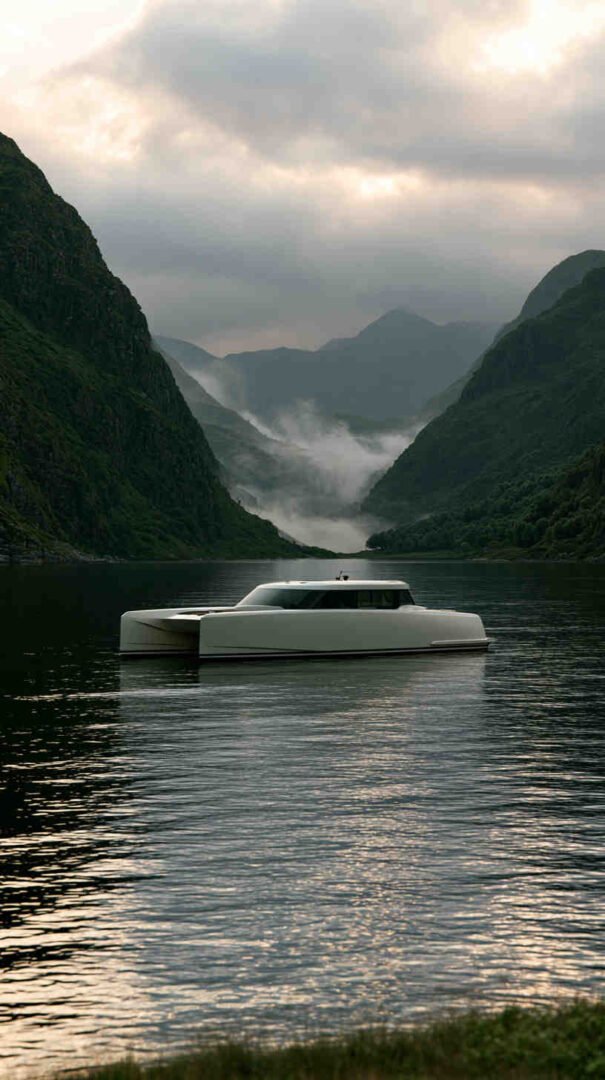
An electric cabin cruiser is a mid-to-large recreational boat, typically featuring an enclosed or semi-enclosed cabin, that is powered entirely (or primarily) by an electric propulsion system instead of a traditional internal combustion engine. Rather than burning diesel or gasoline, these boats draw power from onboard battery packs — similar in concept to an electric car, but adapted for marine use.
The “cabin cruiser” part of the name refers to the boat’s design: a cruiser is built for extended time on the water, often with sleeping quarters, a small galley, a head (bathroom), and comfortable seating below deck. Add an electric drivetrain to that classic cruiser layout, and you get a vessel that offers the comfort and versatility of a traditional cruiser with none of the engine noise, fumes, or fuel stops.
How Does an Electric Boat Actually Work?
At a basic level, an electric cabin cruiser works much like an electric car on the water. The main components include:
- Battery packs – Usually lithium-ion, these store the energy needed to run the boat. Capacity varies widely depending on the boat’s size and intended range.
- Electric motor – Instead of a combustion engine turning the propeller shaft, an electric motor does the job. These motors are compact, produce instant torque, and require far less maintenance than a traditional engine.
- Motor controller – This regulates how much power flows from the battery to the motor, controlling speed and acceleration.
- Charging system – Most electric boats can be charged from a standard shore power connection at a marina, similar to plugging in at home. Some newer models also support fast-charging stations or solar-assisted charging.
- Regenerative systems – On some cruisers, the propeller can act like a small turbine while drifting or under sail, feeding a small amount of energy back into the battery — much like regenerative braking in an electric car.
Because there’s no combustion happening, there’s no exhaust, no engine vibration, and dramatically less noise. Many owners describe the experience as “gliding” rather than “driving.”


Why People Are Switching to Electric Cabin Cruisers
1. Near-Silent Operation
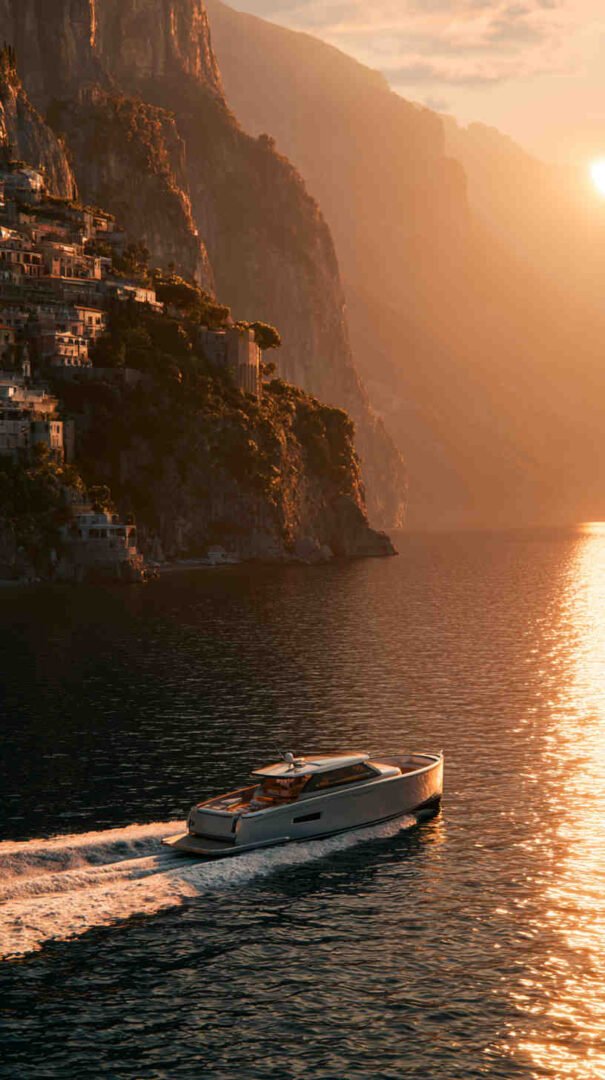
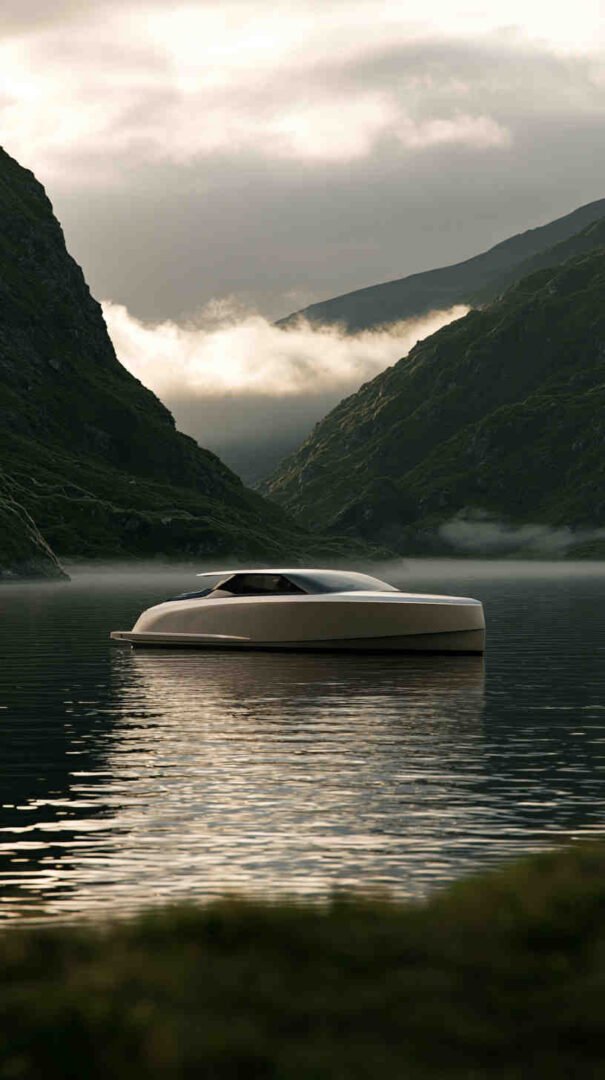
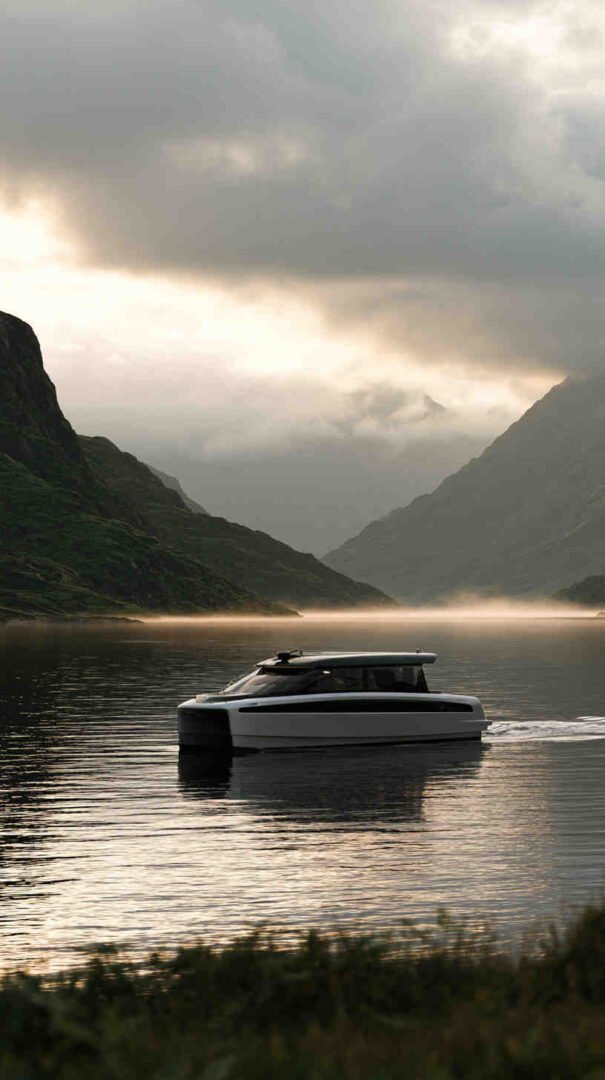
This is often the first thing people notice. Traditional cruisers can be loud enough to drown out conversation at higher speeds. Electric motors produce a soft hum at most, which means you can actually hear the water, the birds, and the people you’re boating with.
2. Lower Running Costs
While the upfront cost of an electric cabin cruiser can be higher than a comparable gas-powered model, the ongoing costs tend to be lower. Electricity is generally cheaper than marine fuel, and electric motors have far fewer moving parts — no oil changes, no fuel filters, no spark plugs, and less wear and tear overall.
3. Reduced Environmental Impact
There’s no fuel combustion, which means zero direct emissions on the water. For boaters who spend time in sensitive ecosystems, lakes, or marine reserves, this is a significant advantage. It also means no fuel spills or oil sheens, which protects local wildlife and water quality.
4. Smoother, More Comfortable Ride






Electric motors deliver power instantly and smoothly, without the jerks or vibration associated with combustion engines. Many owners find this makes for a more relaxing ride, particularly at cruising speeds.
5. Lower Maintenance Demands
Combustion engines require regular servicing — oil changes, filter replacements, cooling system checks, and more. Electric drivetrains are mechanically simpler, which generally translates to less time and money spent on upkeep.
Key Features to Look for When Choosing One
If you’re considering an electric cabin cruiser, here are the main factors worth comparing:
- Battery Range and Capacity Range is one of the most important specs to check. Ask how far the boat can travel at cruising speed on a full charge, and how that range changes at higher speeds. Battery degradation over time is also worth researching, just as it is with electric cars.
- Charging Time and Compatibility Find out whether the boat can be charged at your home marina, how long a full charge takes, and whether fast-charging options are available.
- Cabin Layout and Comfort Since these are cruisers, cabin space matters. Look at berth (bed) configuration, headroom, galley setup, and storage space, especially if you plan on overnight trips.
- Hull Design and Efficiency Because battery range is finite, hull efficiency plays a bigger role in electric boats than in fuel-powered ones. Many electric cruisers use lightweight materials and hull shapes optimized to reduce drag and extend range.
- Backup Power Options Some electric cabin cruisers include a small generator or hybrid system as a backup for longer trips, giving peace of mind if you run low on charge far from a marina.
- Motor Power and Top Speed Electric motors are rated in kilowatts rather than horsepower, though the two can be roughly compared. Consider what top speed and acceleration you actually need for your typical use — cruising leisurely is very different from watersports towing.






Popular Uses for Electric Cabin Cruisers
- Weekend getaways – Comfortable cabins make these boats well suited for overnight or multi-day trips on lakes and coastal waters.
- Quiet lake and harbor cruising – The near-silent operation is especially appreciated on lakes with noise restrictions or wildlife protections.
- Family outings – Lower maintenance and simpler operation make electric cruisers approachable for less experienced boaters.
- Eco-conscious travel – For those wanting to minimize their environmental footprint while still enjoying full-featured boating.
Maintenance Tips for Electric Cabin Cruisers
Even though electric propulsion requires less maintenance overall, a few habits will keep your boat running well for years:
- Monitor battery health regularly – Check the battery management system’s readouts and avoid letting the battery sit fully depleted for long periods.
- Keep charging connections clean and dry – Marine environments are harsh on electrical connections, so inspect them periodically for corrosion.
- Maintain the hull – Efficient range depends on a clean, well-maintained hull, so regular anti-fouling and cleaning still matter.
- Service the cooling system – Electric motors and battery packs often use liquid cooling, which should be checked according to the manufacturer’s schedule.
- Update onboard software – Many electric cruisers use digital systems for battery and motor management, and manufacturers often release performance or safety updates.


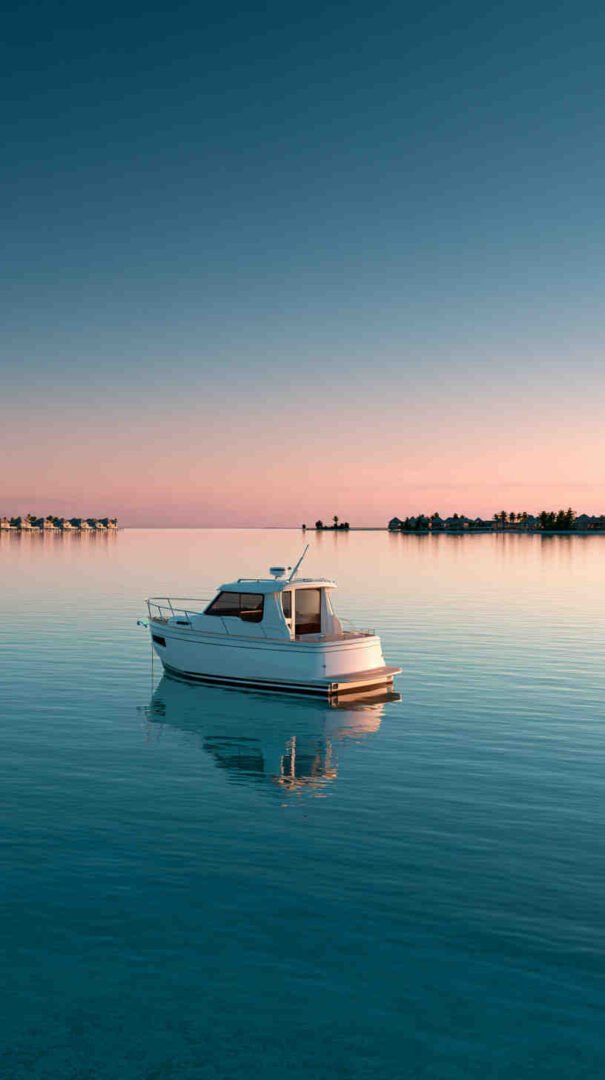
The Future of Electric Boating
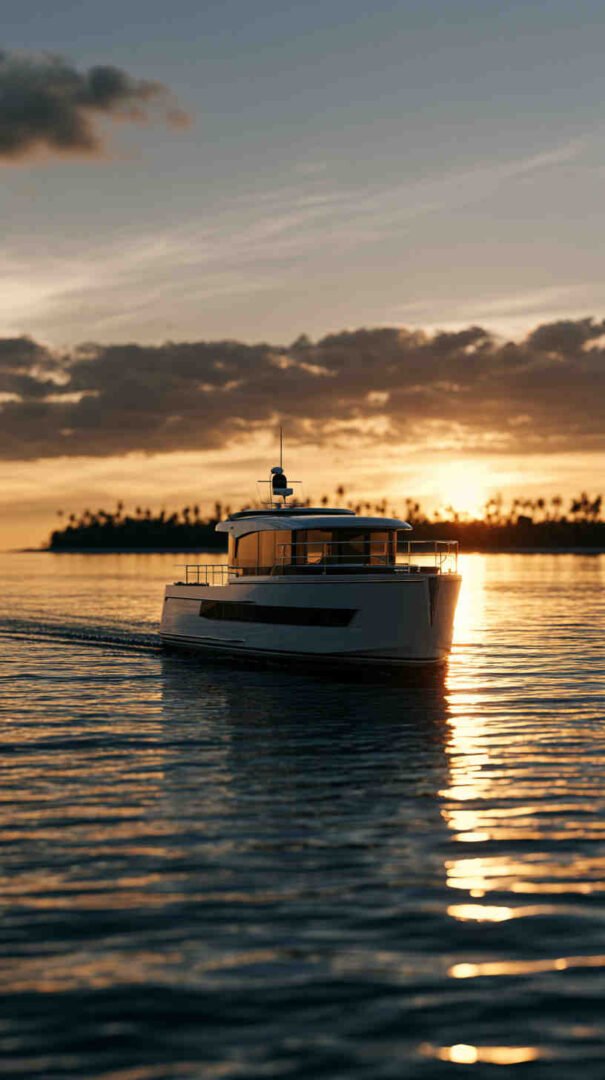
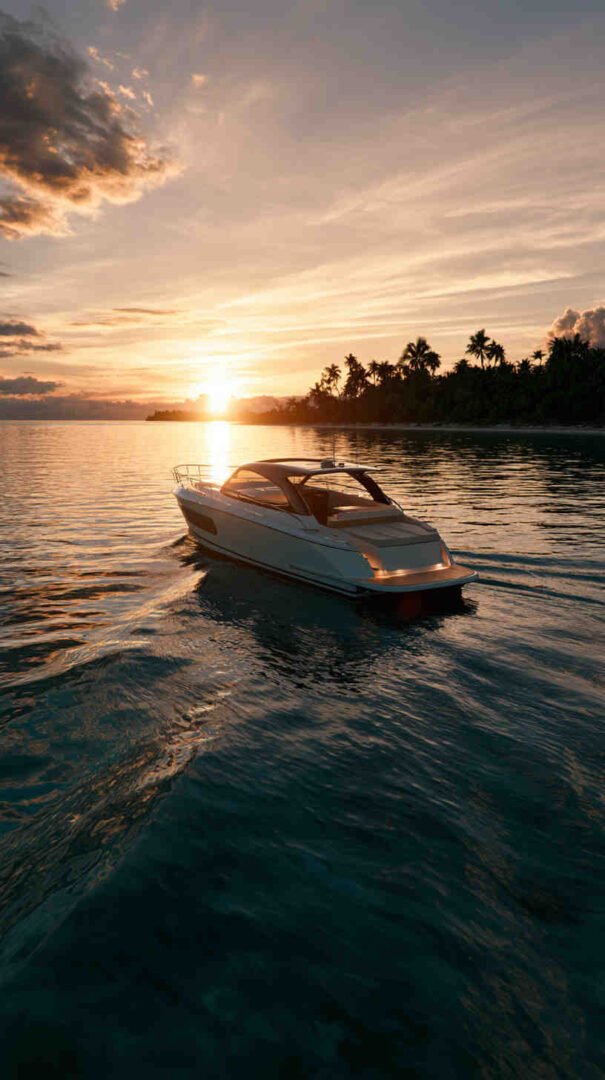
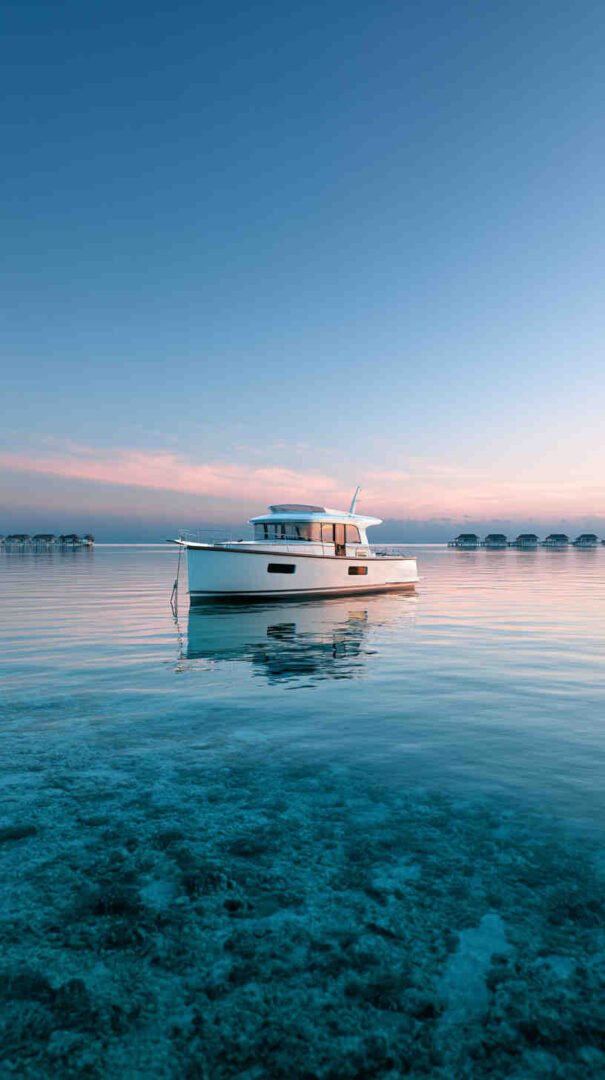
Electric propulsion in boating is following a similar trajectory to electric cars: batteries are becoming more energy-dense, charging infrastructure at marinas is expanding, and manufacturers are investing heavily in improving range and performance. As this technology matures, electric cabin cruisers are expected to become more affordable, with longer ranges and faster charging times, making them an increasingly practical choice rather than a niche one.
Frequently Asked Questions
- Is an electric cabin cruiser as powerful as a gas-powered one? Modern electric motors can deliver strong, instant torque, and many electric cruisers perform comparably to gas models at cruising speeds. Top-end speed and long-range performance can still vary depending on battery capacity.
- How long does it take to charge an electric cabin cruiser? This depends on battery size and charger type, but many boats can achieve a full charge overnight using standard marina shore power, with faster options available on some models.
- Are electric cabin cruisers more expensive than traditional cruisers? Upfront costs are often higher, but lower fuel and maintenance costs can help offset that difference over the boat’s lifetime.
Final Thoughts
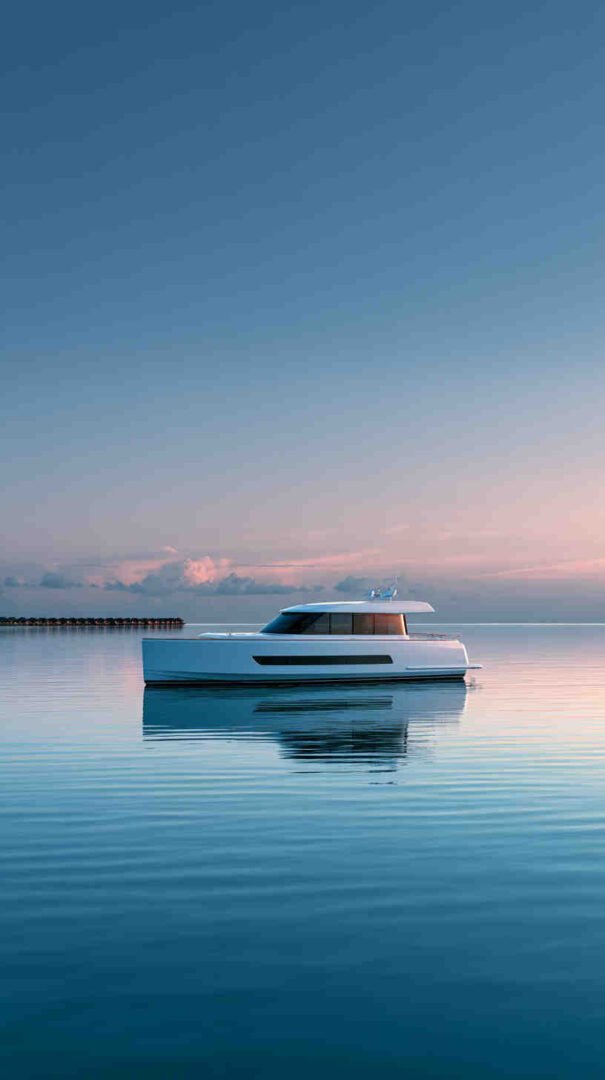
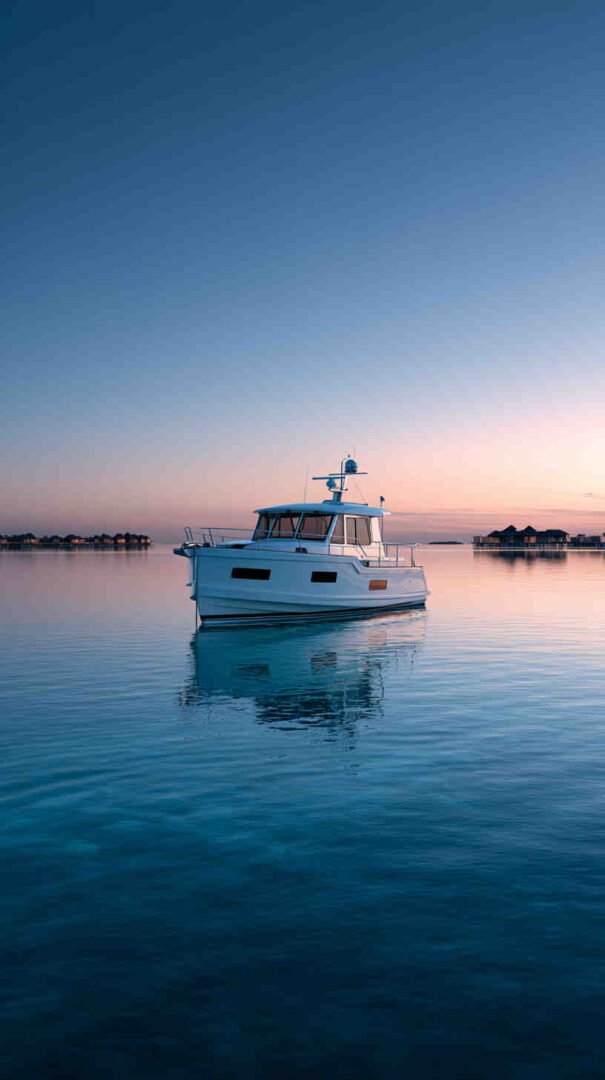




Electric cabin cruisers represent a meaningful shift in recreational boating — combining the comfort and versatility of a traditional cruiser with the quiet, low-maintenance, and environmentally friendly benefits of electric propulsion. Whether you’re drawn to the peaceful ride, the reduced running costs, or the smaller environmental footprint, it’s easy to see why more boaters are considering going electric for their next cabin cruiser.
Happy Boating!
Share Electric Cabin Cruiser Wallpaper with your friends and leave a comment below with your thoughts.
Read Electric Speedboat Wallpaper 4K HD Images until we meet in the next article.