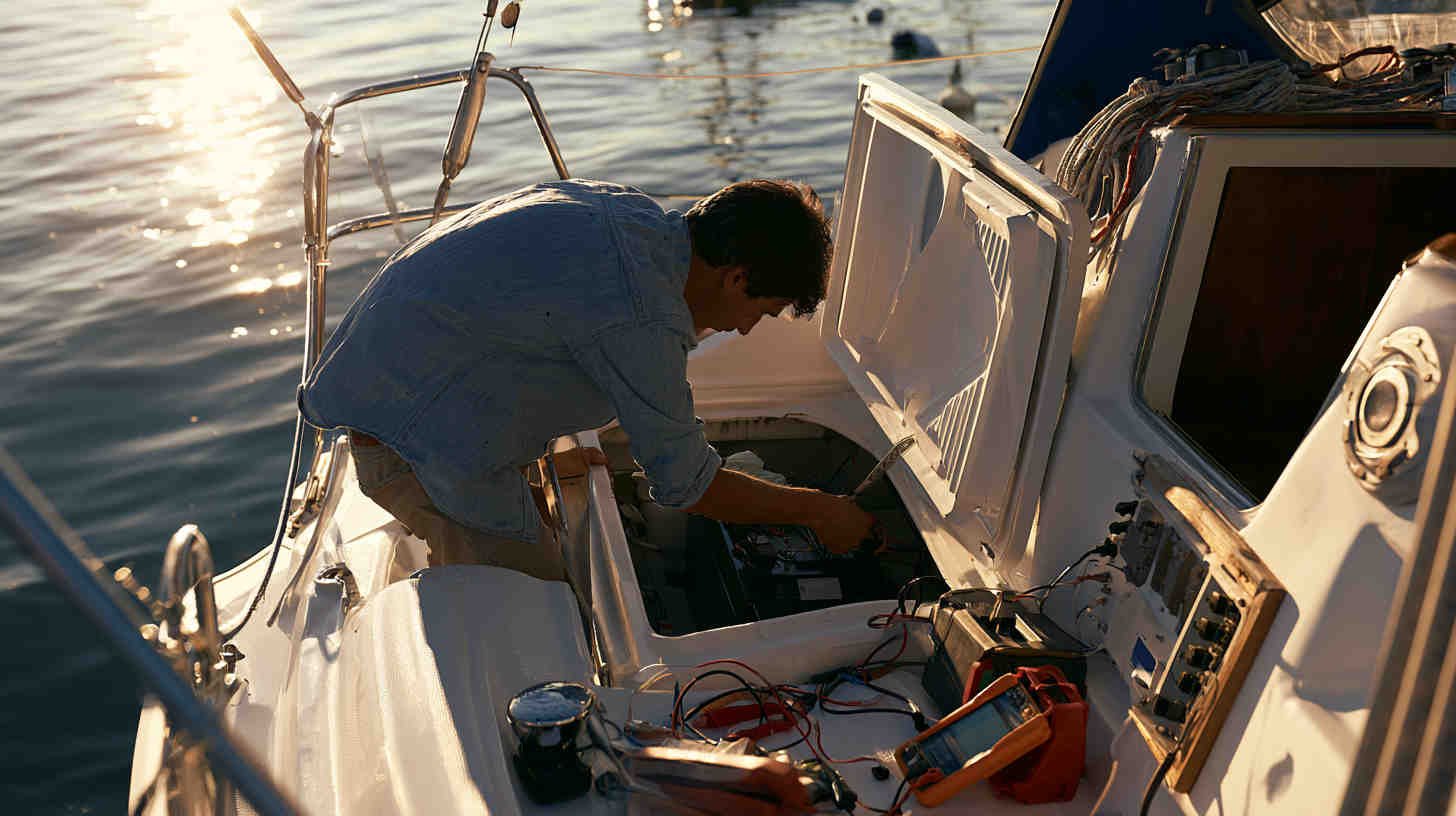
There’s nothing more frustrating than charging your boat battery all evening, only to find it dead — or barely alive — the next morning. If this keeps happening, your battery isn’t just “getting old.” Something specific is draining it, damaging it, or preventing it from charging properly in the first place. The good news is that this problem is almost always diagnosable with a few basic tools and about thirty minutes of your time.
This guide walks you through exactly how to figure out why your boat battery won’t hold a charge overnight, starting with the simplest explanations and working toward the more technical ones.

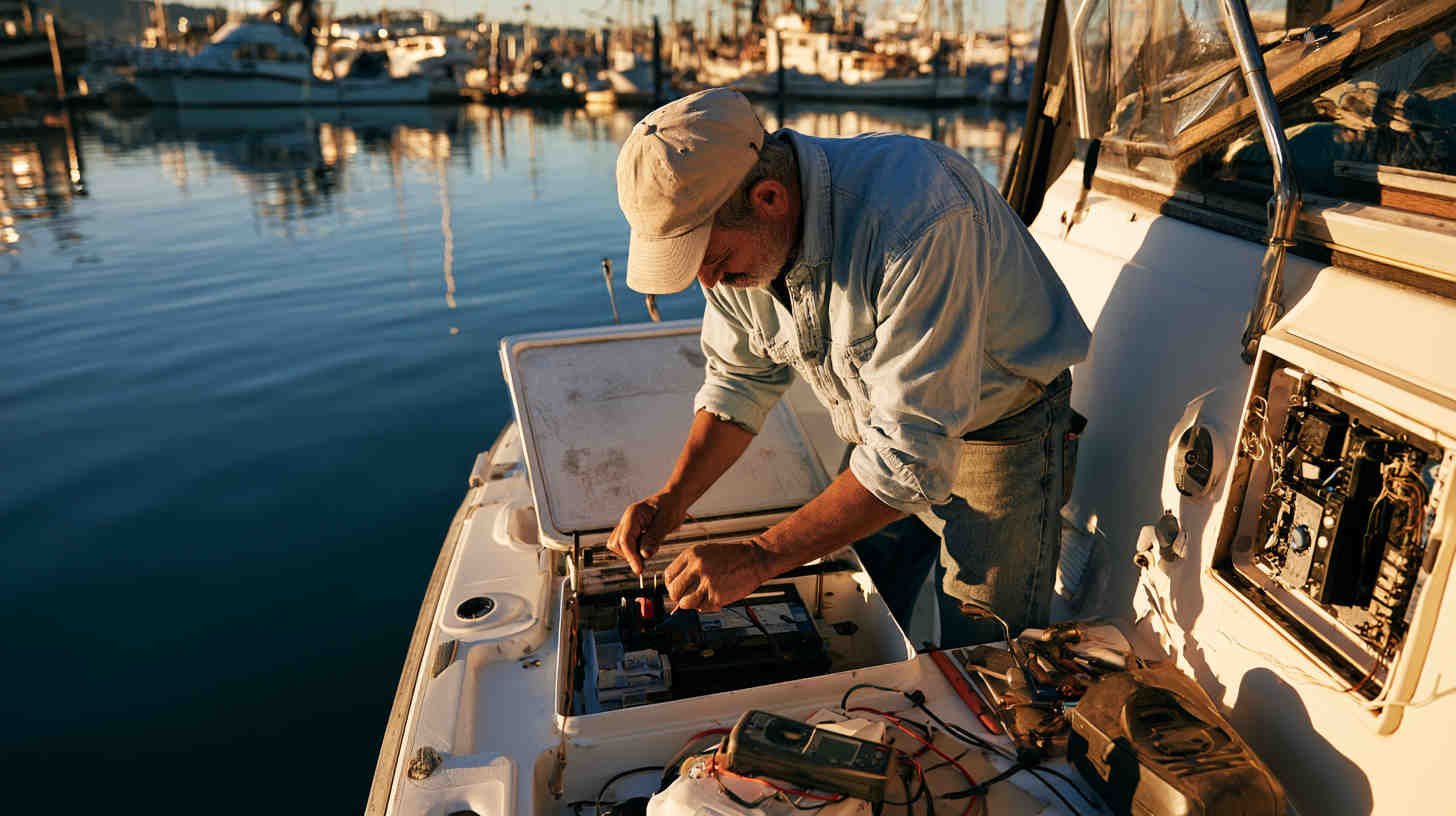



Why This Problem Deserves Real Diagnosis
A boat battery that drains overnight isn’t behaving randomly. Batteries lose charge for one of three reasons: something is pulling current out of them while the boat is off (a parasitic drain), the battery itself has degraded internally and can no longer hold a charge (sulfation, a dead cell, or old age), or the charging system never fully charged it in the first place. Each of these has different symptoms and different fixes, so guessing and replacing the battery outright often wastes money without solving the actual issue.
Step 1: Confirm the Battery Was Actually Fully Charged
Before assuming the battery is faulty, rule out the obvious. Many “won’t hold a charge” complaints are really “never got charged” complaints.
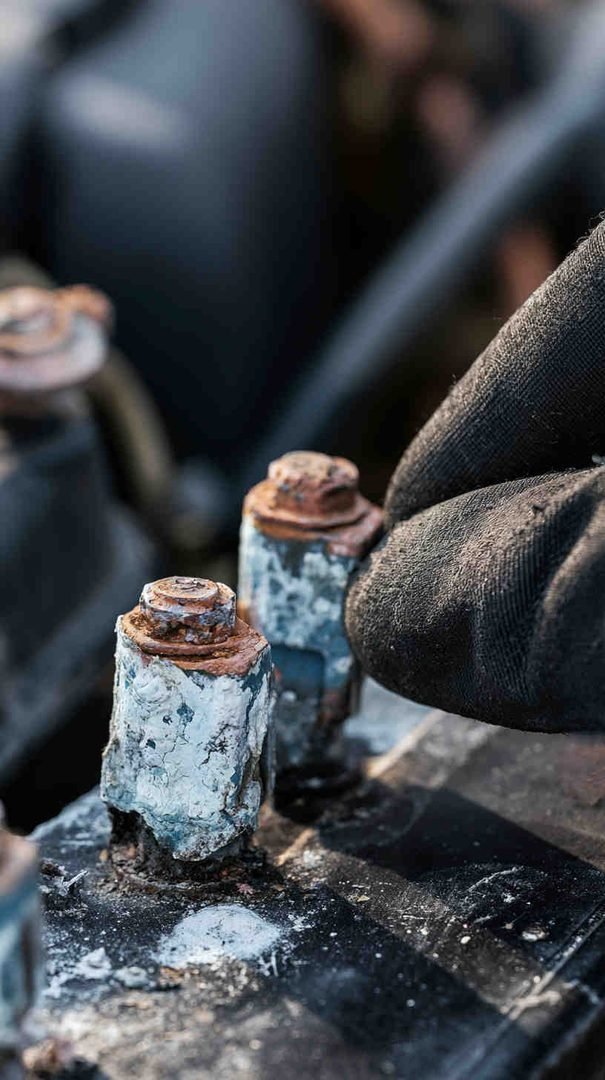
Check the charger output, the connections at the battery terminals, and whether the charger indicated a completed charge cycle. A loose or corroded terminal connection can prevent a full charge even if the charger runs all night. Clean the terminals with a wire brush, tighten every connection, and run a full charge cycle again before testing anything else.
Step 2: Test Resting Voltage With a Multimeter
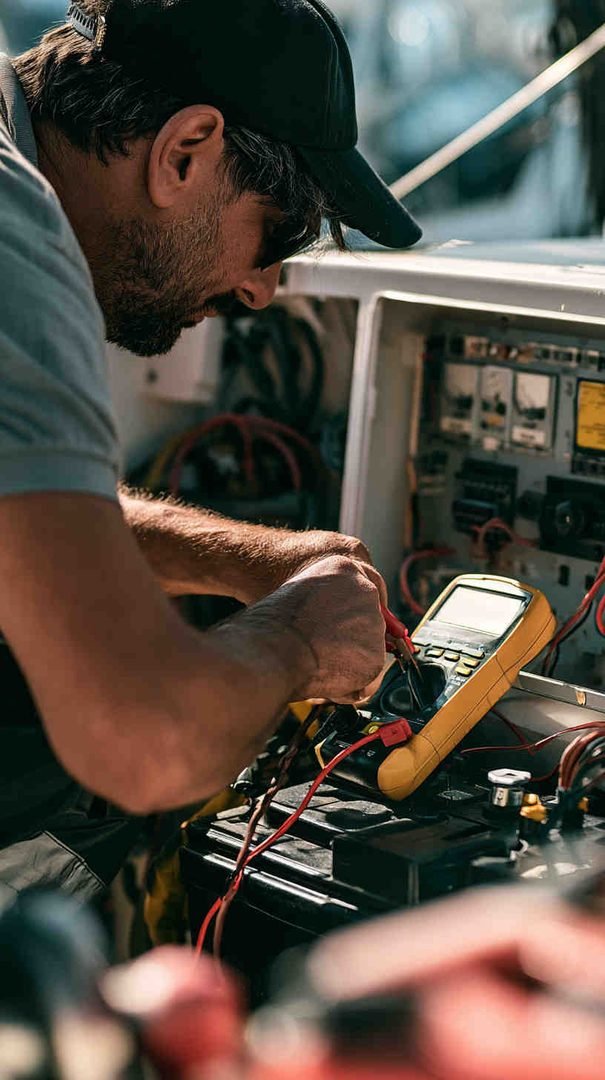
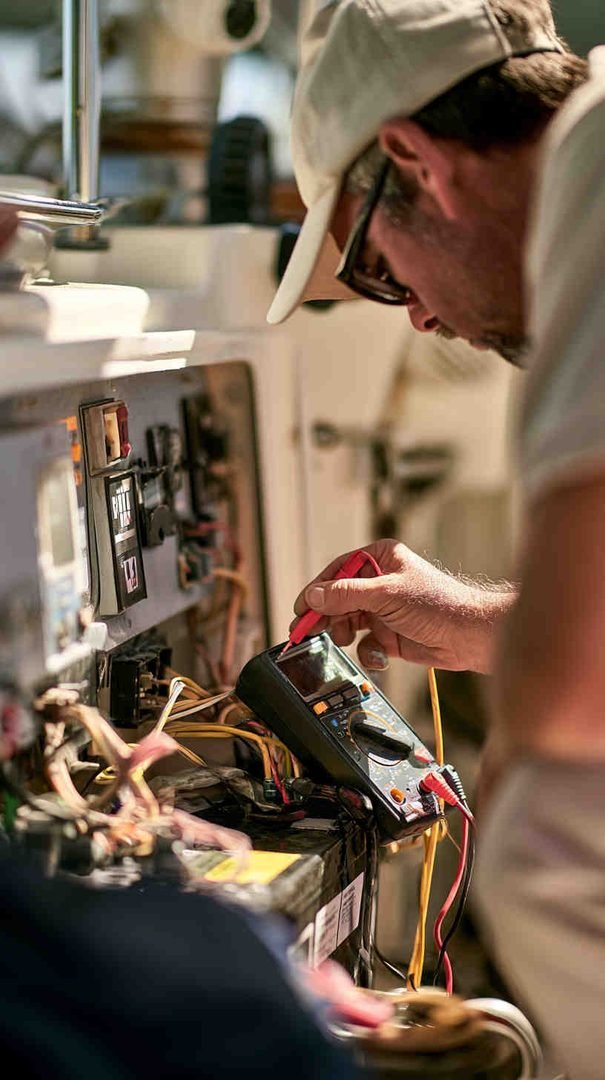
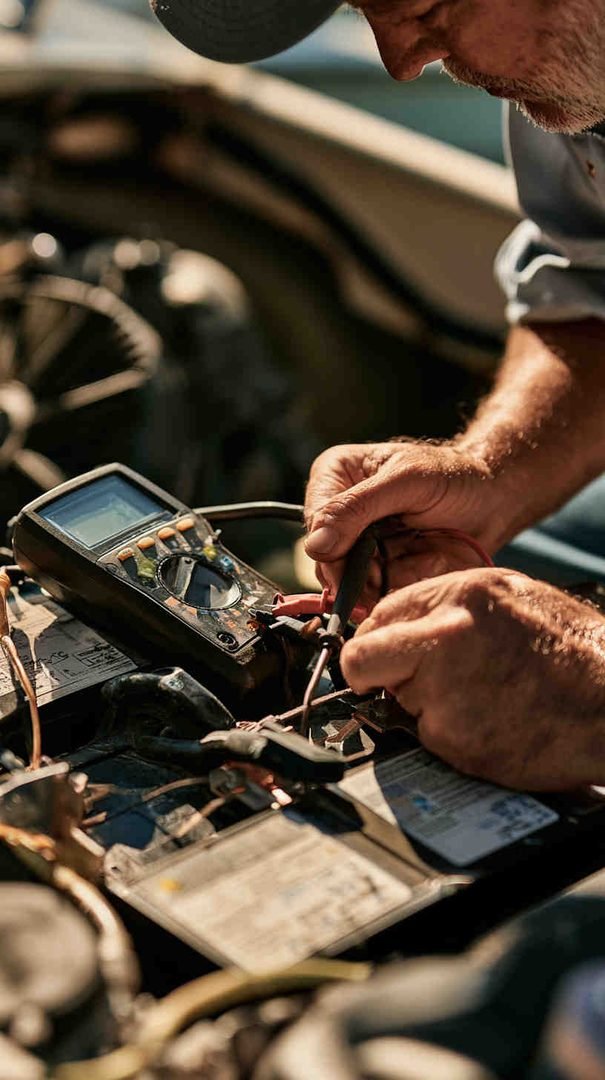
Once you’re confident the battery was fully charged, disconnect it from everything and let it rest for at least an hour. Then test it with a multimeter set to DC volts.
- 12.6V or higher – Fully charged, healthy resting voltage
- 12.2V–12.5V – Partially charged, usually still serviceable
- 12.0V or below – Significantly discharged
- Below 11.8V – Likely damaged or sulfated
Now leave the battery disconnected overnight and test it again in the morning. If a fully charged, disconnected battery loses voltage overnight on its own, the battery itself is the problem — most likely internal sulfation, a shorted cell, or simple age-related capacity loss. If the voltage holds steady while disconnected but drops when reconnected to the boat’s electrical system, you’re dealing with a parasitic drain, not a bad battery.






Step 3: Check for Parasitic Draw
A parasitic draw happens when something on the boat continues pulling power even when everything is supposedly switched off. Common culprits include:
- Bilge pumps that cycle on and off through the night
- Stereo systems, chartplotters, or fish finders with memory-retention circuits
- Battery chargers or inverters left connected
- CO or gas detectors wired directly to the battery
- Corroded wiring that creates a partial short
To test for this, fully charge the battery, turn off every switch on the boat, and connect a multimeter set to DC amps in series between the negative battery terminal and the negative cable. A healthy boat with everything off should draw well under 50 milliamps. Anything significantly higher points to a parasitic drain, and you can isolate it by pulling fuses one at a time and watching for the reading to drop.
Step 4: Perform a Load Test
Resting voltage tells you how charged a battery is, but not how healthy it is under actual demand. A load test reveals whether the battery can deliver real power without its voltage collapsing.
Most auto parts and marine supply stores will run a load test for free, or you can use a handheld battery load tester at home. A battery that reads full voltage at rest but fails under load has lost internal capacity and is a strong candidate for replacement, even if it appears fine on a simple voltmeter check.
Step 5: Check Specific Gravity (For Flooded Lead-Acid Batteries)
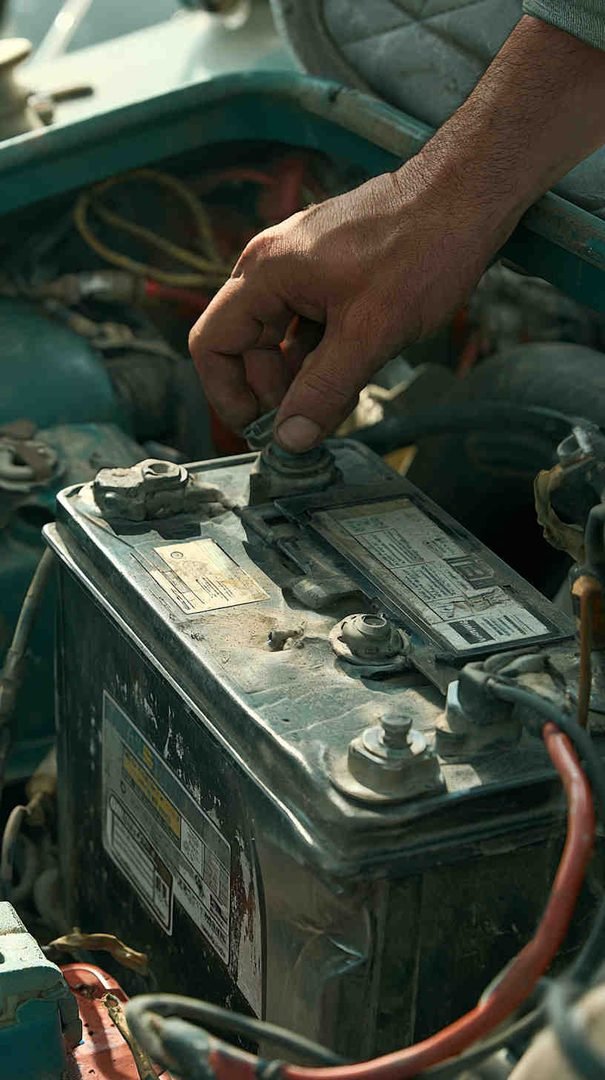


If your boat uses a flooded lead-acid battery rather than a sealed AGM or gel battery, a hydrometer can tell you a lot. Check the specific gravity of each cell:
- All cells reading similarly (around 1.265 when fully charged) indicates a healthy battery
- One cell reading noticeably lower than the others is a sign of a dead or shorted cell — this battery cannot be revived and needs replacing
- All cells reading low but evenly suggests undercharging or sulfation rather than a dead cell
This test is one of the fastest ways to distinguish between “needs a better charging routine” and “needs a new battery.”
Step 6: Inspect the Charging System
If the battery tests healthy when isolated but keeps arriving depleted, look upstream at what’s supposed to be charging it. On boats that charge from the engine alternator, a failing alternator, a slipping belt, or a bad voltage regulator can all undercharge the battery even while the engine runs for hours. If you’re using a shore-power charger, check that it’s actually set to the correct battery chemistry (flooded, AGM, gel, or lithium) — the wrong charge profile can leave a battery chronically undercharged without ever showing an obvious fault.
Common Causes Summarized
| Symptom | Likely Cause |
|---|---|
| Voltage drops even when fully disconnected | Sulfation, aging, internal damage |
| Voltage holds when disconnected, drops when connected | Parasitic draw |
| Passes voltage test, fails load test | Lost internal capacity |
| One cell reads low on hydrometer | Dead or shorted cell |
| Never reaches full voltage despite charging | Charging system or charger profile issue |
| Voltage fine, but corrosion visible at terminals | Poor connection, not a battery fault |
Sulfation: The Silent Battery Killer



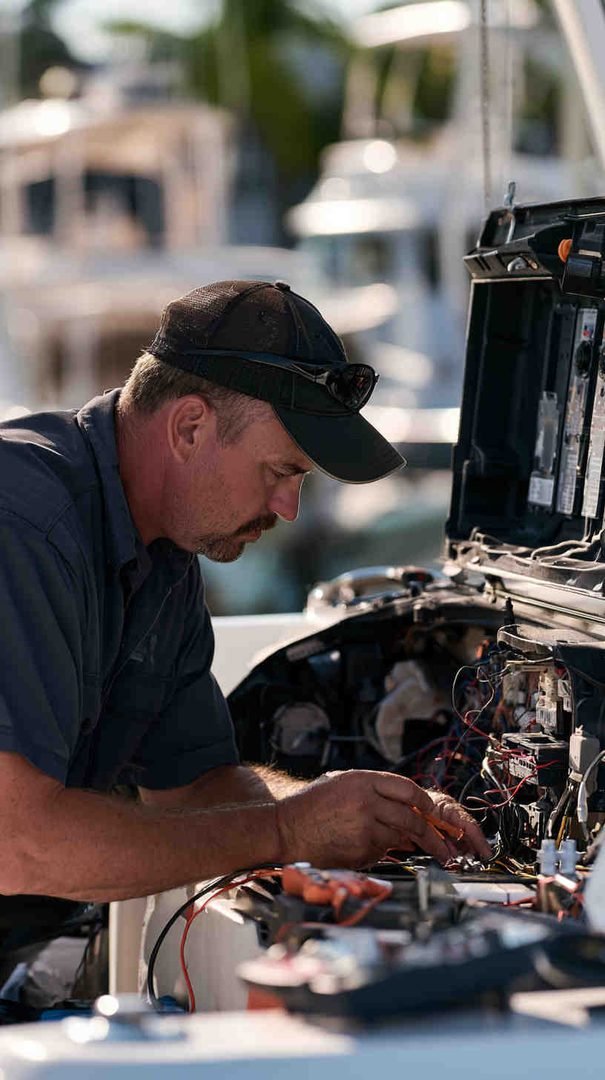

Sulfation deserves special mention because it’s the most common reason lead-acid boat batteries stop holding a charge, especially after winter storage or infrequent use. When a battery sits at a low state of charge for extended periods, lead sulfate crystals harden on the plates and interfere with the chemical reaction that stores energy. Mild sulfation can sometimes be reversed with a smart charger that includes a desulfation or reconditioning mode, but heavy sulfation is usually permanent.
If your battery has been sitting unused for weeks between trips, or was left partially discharged over the off-season, sulfation is one of the first things to suspect.
When It’s Time to Replace the Battery
Replace the battery if:
- It fails a load test even after a full charge
- One or more cells show significantly lower specific gravity
- It’s more than 3–5 years old and has always seen heavy seasonal use
- Voltage continues dropping overnight even fully isolated from the boat’s wiring
Repair or address the system instead if:
- Voltage holds fine when disconnected but drops when wired in (parasitic draw)
- The charger wasn’t set to the correct chemistry
- Terminals were loose or corroded
Preventing the Problem From Coming Back
Once you’ve identified and fixed the cause, a few habits go a long way toward preventing a repeat:
- Use a maintenance charger or battery tender between trips rather than letting the battery sit
- Inspect and clean terminals at the start of each season
- Install a battery switch to fully isolate the battery when the boat isn’t in use
- Test resting voltage periodically, even when the boat seems fine
- Avoid deep-discharging the battery repeatedly, which accelerates sulfation and shortens lifespan
Final Thoughts
A boat battery that won’t hold a charge overnight is almost never a mystery once you test it properly. Start simple — confirm a full charge, check resting voltage, and isolate whether the drain happens with the battery connected or disconnected. From there, a load test and a hydrometer check (for flooded batteries) will usually tell you definitively whether you’re looking at a wiring issue, a charging system problem, or a battery that has simply reached the end of its useful life. Diagnosing it properly before replacing anything saves money and, more importantly, means the same problem won’t be waiting for you on your next trip out.
Happy Boating!
Share Diagnosing a boat battery that won’t hold charge overnight with your friends and leave a comment below with your thoughts.
Read Cleaning isinglass windows without scratching them for good until we meet in the next article.