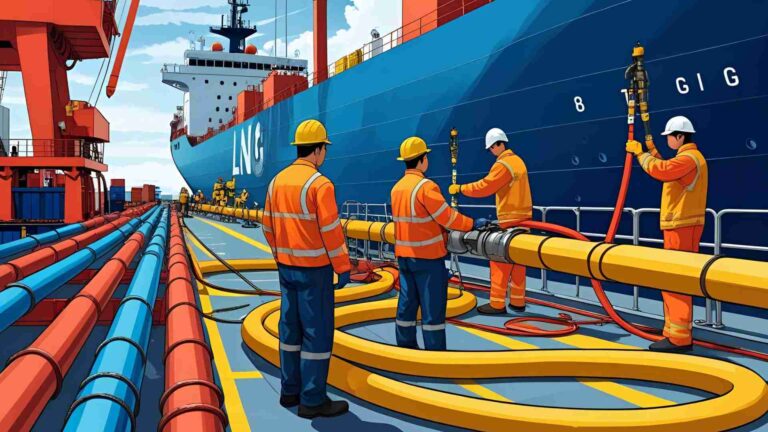
Anglo-Eastern Opens New Maritime Training Center Site
Anglo-Eastern Ship Management has unveiled a cutting-edge facility for its flagship Anglo-Eastern Maritime Training Centre (AEMTC) in Mumbai, India. This move marks a significant upgrade in maritime education infrastructure, designed to meet the evolving demands of the global shipping industry.
The new site replaces an older location that served for over two decades, addressing the need for expanded capacity and modernized training tools. By integrating advanced simulation technology, specialized labs, and collaborative spaces, the center positions itself as a leader in preparing seafarers for complex onboard operations.
The relocation underscores Anglo-Eastern’s commitment to enhancing seafarer skills amid rapid technological advancements in shipping. With a focus on safety, efficiency, and sustainability, the facility equips trainees with hands-on experience in navigation, engine management, and cargo handling.
This development not only boosts operational readiness but also aligns with international standards set by bodies like the Directorate General of Shipping (DGS) in India. As the maritime sector faces challenges such as alternative fuels and digitalization, centers like AEMTC play a pivotal role in bridging skill gaps.
Anglo-Eastern Ship Management: A Global Leader in Maritime Services
Anglo-Eastern Ship Management stands as a prominent player in the international shipping arena, overseeing a fleet of over 650 vessels under full technical management and more than 250 under crew management. The company also handles a technical services division responsible for supervising upwards of 450 newbuildings and conversions. At its core is a workforce of 30,000 active seafarers, supported by 1,800 shore-based staff across Asia, Europe, and the Americas. This global network ensures comprehensive coverage with localized expertise.
Founded on principles of innovation and reliability, Anglo-Eastern emphasizes lifelong learning as a cornerstone of its success. The company’s DNA revolves around continuous upskilling, evident in its investment in training infrastructure. Seafarers benefit from a structured career path, including pre-sea and post-sea programs that foster professional growth. Anglo-Eastern’s approach integrates simulated environments with real-world experiences, promoting safety, professionalism, and innovative thinking.
The organization’s human performance strategy encompasses recruitment, training, welfare, and career advancement, achieving retention rates exceeding 95%. This focus on people drives efficiency and client satisfaction, positioning Anglo-Eastern as a trusted partner for ship owners worldwide. By prioritizing diversity, equity, and inclusion, the company harnesses varied perspectives to tackle industry challenges, from regulatory compliance to emerging technologies.
The Evolution and Need for the New AEMTC Site
After serving effectively for 21 years, the original AEMTC site in Mumbai had reached its limits in terms of space and capabilities. Growth in trainee numbers and the introduction of new technologies necessitated a refresh. The decision to relocate stemmed from a desire to reorganize layouts, customize facilities, and incorporate state-of-the-art equipment. This upgrade ensures AEMTC remains one of India’s premier maritime training institutions, setting benchmarks in faculty expertise and training quality.
The new site reflects a strategic investment in seafarer development, symbolizing Anglo-Eastern’s dedication to excellence. It addresses the industry’s shift toward more sophisticated vessels, including those powered by alternative fuels like LNG, methanol, and ammonia. By expanding capacity and modernizing resources, the center prepares seafarers for diverse roles, from deck officers to engineers, reducing human error—a leading cause of maritime incidents.
In the broader context, maritime training centers like AEMTC are essential for maintaining high standards in an industry where mistakes can have severe consequences. The relocation facilitates better integration with Anglo-Eastern’s crewing division, streamlining operations and enhancing collaboration between training and recruitment teams.
Strategic Location and Design of the New Facility
Situated at Leela Business Park in Andheri East, Mumbai, the new AEMTC spans 32,000 square feet on a single level, directly above Anglo-Eastern’s crewing division. This proximity fosters seamless interactions, allowing trainees to connect with operational staff and gain insights into real-time crewing challenges. The layout has been meticulously planned for efficiency, optimizing space usage while maintaining a welcoming, professional atmosphere.
The design prioritizes functionality, with dedicated zones for simulation, classrooms, and amenities. Energy-efficient elements, such as occupancy-sensor air conditioners and LED lighting, reduce environmental impact. Recycled materials feature prominently, aligning with sustainability goals. The facility’s modern aesthetic, branded with Anglo-Eastern’s identity, creates an inspiring environment from the moment visitors enter.
Contact details for AEMTC Mumbai include: Unit 401, 4/F Leela Business Park, Marol Andheri-Kurla Road, Andheri East, Mumbai 400059. Phone: +91 22 6720 5600 (main line), +91 22 6720 5611/12 (course bookings). Website: www.maritimetraining.in.
Advanced Simulation Technology at the Core
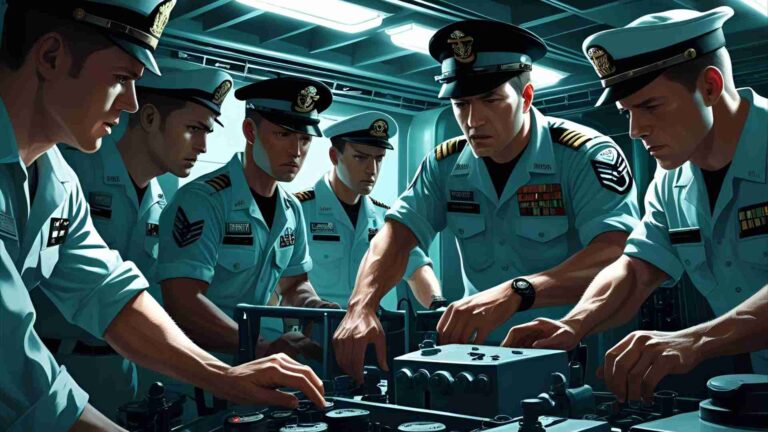
Simulation forms the backbone of modern maritime training, offering risk-free environments to practice critical skills. At AEMTC, an array of simulators replicates real-world scenarios, from bridge operations to engine room management. This technology is crucial in the shipping industry, where human error accounts for a significant portion of accidents. Simulators allow trainees to make and correct mistakes without endangering lives, vessels, or the environment, enhancing safety and competency.
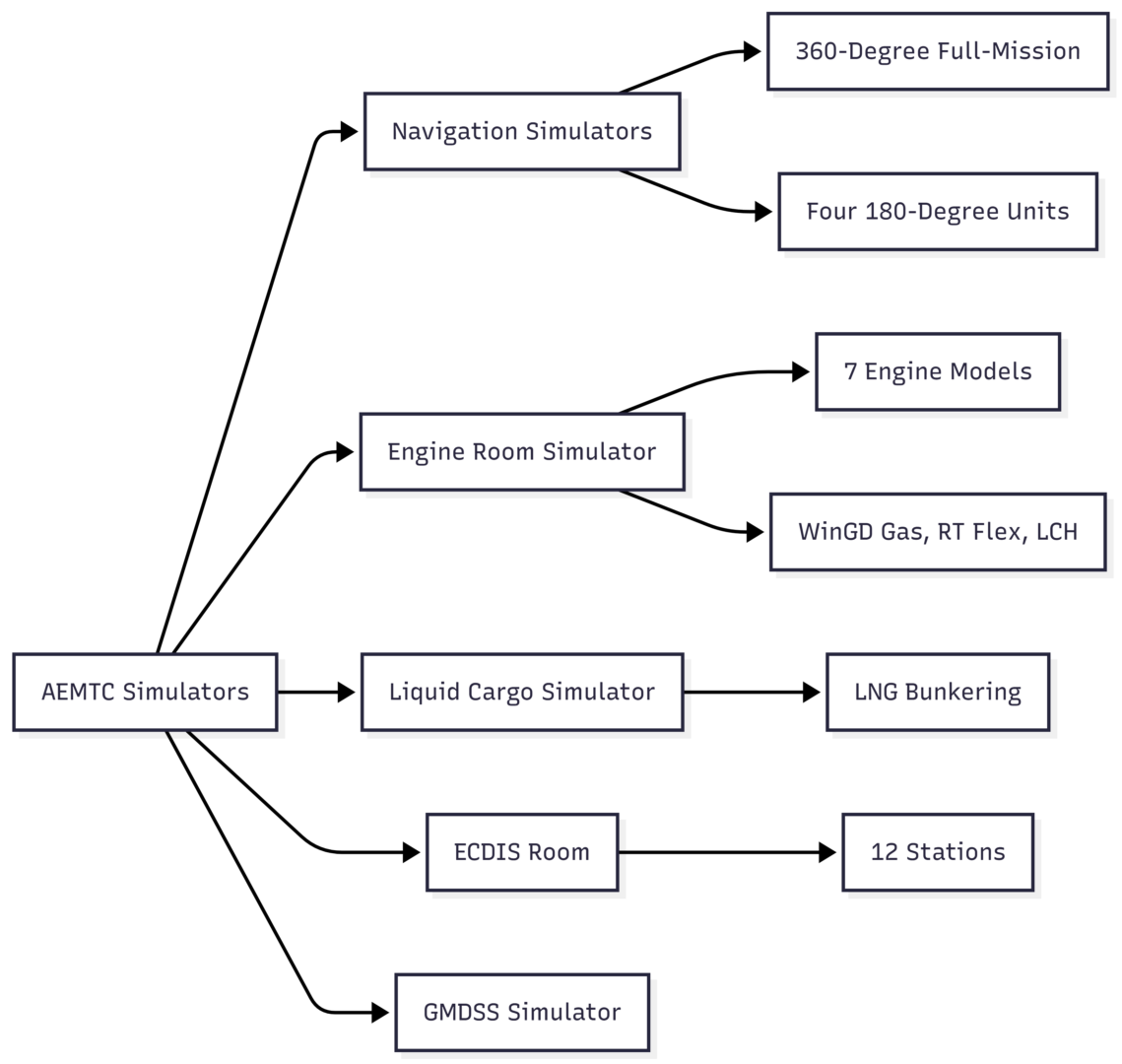
The center boasts five full-mission navigation simulators, including one with a 360-degree field of view for immersive bridge experiences. These tools train deck officers in ship handling, collision avoidance, and navigation under various conditions. An ECDIS (Electronic Chart Display and Information System) room with 12 stations provides specialized training in digital charting, essential for compliance with international regulations.
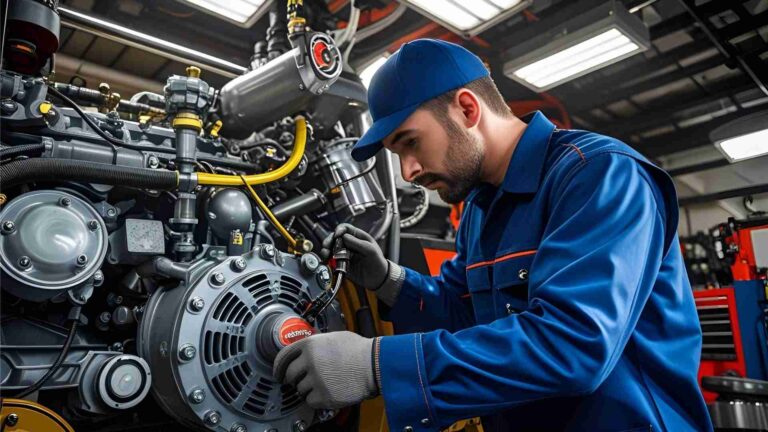
On the engineering side, a full-mission engine room simulator supports seven engine models, including advanced options for WinGD Gas, RT Flex, and LCH. This setup enables engineers to troubleshoot faults, manage propulsion systems, and optimize fuel efficiency in a controlled setting. A dedicated LNG bunkering simulator addresses the growing use of liquefied natural gas, covering bunkering procedures and safety protocols.
Additional simulators include a GMDSS (Global Maritime Distress and Safety System) unit for communication training and a full-mission liquid cargo handling simulator with LNG features. These resources ensure comprehensive preparation for tanker operations, emphasizing spill prevention and emergency responses.
The importance of these simulators cannot be overstated. They provide cost-effective training by eliminating the need for actual vessel operations, which consume fuel and resources. In high-risk scenarios like engine failures or adverse weather, simulators build muscle memory and decision-making skills. Research highlights that simulator-based training reduces accident rates by conditioning responses to emergencies, making it indispensable for regulatory compliance and operational excellence.
To visualize the simulator ecosystem, consider this organizational chart:
Specialized Labs and Educational Amenities
Beyond simulators, AEMTC features four dedicated labs for practical training in automation, instrumentation, high voltage, and hydraulics. These spaces equip engineers with skills in system maintenance, electrical safety, and fluid dynamics—critical for modern vessels with complex machinery.
A 72-seater auditorium doubles as configurable multipurpose classrooms, supporting lectures, workshops, and seminars. Webinar rooms facilitate remote learning, while a conference room with advanced meeting facilities enables global collaborations. An onsite library offers access to electronic resources, aiding research and self-study.
A spacious cafeteria accommodates up to 100 people, promoting networking and well-being. Machine workshop training has shifted to the nearby Anglo-Eastern Maritime Academy in Karjat, ensuring specialized hands-on practice without compromising the new site’s focus on simulation and theory.
Key Partnerships Enhancing Training Capabilities
AEMTC’s strength lies in its collaborations with industry giants like MAN PrimeServ, WinGD, and Wärtsilä. These partnerships integrate manufacturer-specific facilities, providing authentic training on cutting-edge engines and systems.
MAN PrimeServ offers courses on ME-C Control Systems and the latest ME Mk. 2 two-stroke engines, including ME-GI (Gas Injection) for dual-fuel operations. WinGD provides advanced training on UNIC-controlled X-DF dual-fuel engines, focusing on operation and supervision for marine engineers.
Wärtsilä contributes simulators for RT Flex engines and LNGPac bunkering, recently expanding to methanol bunkering simulators. This collaboration has introduced courses on alternative fuels, preparing seafarers for decarbonization efforts.
These alliances ensure AEMTC stays ahead of technological curves, offering approved courses that meet manufacturer standards. For instance, WinGD and Wärtsilä approvals cover basic and advanced engine handling, while MAN’s setup includes familiarization with LNG dual-fuel engines.
Recent developments include ammonia fuel pilot courses and methanol bunkering simulations, marking progress in sustainable shipping. Such partnerships not only enhance curriculum but also position Anglo-Eastern as a hub for future-focused training.
| Partner | Key Facilities and Courses | Focus Areas |
|---|---|---|
| MAN PrimeServ | ME Mk. 2 Simulator, ME-GI Training | Dual-Fuel Engines, Two-Stroke Operations |
| WinGD | X-DF Dual-Fuel Simulator, UNIC Control Courses | Engine Supervision, Alternative Fuels |
| Wärtsilä | RT Flex Simulator, Methanol Bunkering | Cargo Handling, Bunkering Safety |
Sustainability Features Integrated into the Design
Sustainability is woven into the facility’s fabric, with energy-saving lighting and sensor-based air conditioning minimizing consumption. High usage of recycled materials reduces waste, while efficient space planning optimizes resource use. These elements reflect Anglo-Eastern’s broader environmental commitment, aligning training with eco-friendly shipping practices.
By incorporating green technologies, AEMTC educates seafarers on sustainable operations, such as fuel-efficient engine management and emissions control—vital in an industry transitioning to low-carbon fuels.
The Inauguration Ceremony and Leadership Insights
The opening ceremony featured dignitaries from India’s Directorate General of Shipping and Anglo-Eastern executives, including CEO Bjorn Hojgaard and COO Carsten Ostenfeldt. A traditional lamp-lighting ritual, led by DGS Additional Director General Kumar Sanjay Bariar, symbolized enlightenment and progress.
Philip Elberling, Head of MAN PrimeServ Academies Denmark, inaugurated the ME Mk. 2 simulator, highlighting collaborative advancements.
In his address, Hojgaard praised the team for creating a facility embodying quality and professionalism. “As Anglo-Eastern’s flagship training centre and one of India’s leading maritime training institutions, it is only fitting that AEMTC Mumbai should set the standard – not only in terms of our excellent faculty and quality training – but from the moment a seafarer or visitor steps through the door. The rejuvenation of our flagship training centre is symbolic of our continued investment in and commitment to lifelong learning, which has been key to Anglo-Eastern’s DNA and success over the years.”
Bariar commended the facilities as matching international standards, thanking Anglo-Eastern for training and employing numerous Indian seafarers.
Comprehensive Course Offerings at AEMTC
AEMTC delivers a wide spectrum of DG-approved and partner-endorsed courses, categorized into areas like ballast water treatment, cadet training, electrical and automation, navigation, safety, and tanker operations. High-level deck and engineering simulator courses prepare officers for management roles.
Examples include Engine Room Simulator (Operational and Management Levels), GMDSS (Indian), and specialized programs like SIRE 2.0 inspections and Rightship RISQ. Partner courses cover Wärtsilä RT Flex, WinGD X-DF, and MAN ME-C engines.
No specific pricing is available, as fees vary by course duration and type; inquiries should be directed to the center. All programs comply with STCW standards, ensuring global recognition.
| Course Category | Examples | Duration (Days) |
|---|---|---|
| Engineering | Engine Room Simulator – Management Level | 5-10 |
| Navigation | Bridge Team Management | 3-5 |
| Safety & Quality | Advanced Fire Fighting | 5 |
| Tanker Operation | Liquid Cargo Handling | 5 |
| Partner-Specific | WinGD Operation Advanced | 5 |
The Broader Impact on Maritime Training
Simulator-based training revolutionizes maritime education by offering immersive, cost-effective alternatives to onboard practice. It complies with pandemic restrictions and accelerates adoption of digital tools. In the continuum of MET, simulators range from desktop units to full-mission systems, with AEMTC emphasizing high-fidelity options for realistic scenarios.
Advances in cloud simulation enhance accessibility, allowing remote training and scenario customization. This is vital for addressing skill shortages in emerging areas like autonomous vessels and alternative fuels.
AEMTC’s recognition as India’s best training center underscores its excellence in hands-on, simulator-driven education. By blending simulation with real-world peer learning, the center fosters a responsive, aware workforce.
Future Prospects and Commitment to Excellence
Looking ahead, AEMTC plans to expand offerings in green technologies, including ammonia and methanol handling. These initiatives position Anglo-Eastern at the forefront of maritime decarbonization.
The center’s relocation and upgrades symbolize a renewed pledge to seafarer empowerment. By investing in top-tier facilities and partnerships, Anglo-Eastern ensures its 30,000 seafarers remain competitive in a dynamic industry.
In summary, the new AEMTC site in Mumbai represents a milestone in maritime training, blending innovation, sustainability, and expertise to shape the future of shipping. Seafarers trained here emerge equipped to navigate challenges, driving safer, more efficient global trade.
Happy Boating!
Share Anglo-Eastern Opens New Maritime Training Center Site with your friends and leave a comment below with your thoughts.
Read Vibration sensor data can help prevent major equipment problems at sea until we meet in the next article.